
Picture this: You're standing before a monument so breathtakingly beautiful that even the morning mist seems to bow in reverence. The first rays of golden sunlight kiss the white marble, and suddenly you understand why poets have spent centuries trying to capture its magic in words. Welcome to Agra, India.
If you've ever wondered what is Agra India known for, you're about to discover so much more than just the iconic Taj Mahal. This ancient city, nestled along the banks of the sacred Yamuna River, holds secrets that have enchanted travelers for over five centuries.
As a travel guide for Agra, this comprehensive article will walk you through everything you need to know—from UNESCO World Heritage Sites to hidden culinary gems, practical tips, and insider advice that only locals know. Whether you're a history buff, architecture enthusiast, or simply seeking that perfect Instagram moment, Agra promises an experience that will forever change how you see India.
Let's embark on this journey together.
Agra's story begins long before the Mughals, but it was under their reign that this city transformed into one of the most magnificent capitals the world has ever seen. Originally known as "Akbarabad," Agra served as the seat of the Mughal Empire from 1526 to 1658—a golden era that gave birth to architectural wonders still standing today.
Emperor Akbar the Great established Agra as his capital in the 16th century, commissioning the construction of the massive Agra Fort. His grandson, Shah Jahan, later elevated the city's grandeur to unprecedented heights. Grief-stricken by the death of his beloved wife Mumtaz Mahal in 1631, Shah Jahan commissioned what would become the world's most famous monument to love: the Taj Mahal.
The name "Taj Mahal" means "Crown of the Palace" in Persian, reflecting both its architectural magnificence and its status as the jewel of Shah Jahan's empire.
Why This History Matters Today
Understanding Agra's past enriches every moment of your visit. When you walk through Agra Fort's towering gates, you're following the footsteps of emperors. When you gaze at the Taj Mahal's intricate inlay work, you're witnessing a 400-year-old labor of love. This living history is precisely why Agra remains essential for any tourist guide for Agra experience—it's not just sightseeing; it's time traveling.
No guide for foreign tourists would be complete without dedicating significant attention to the monument that draws over 7 million visitors annually.
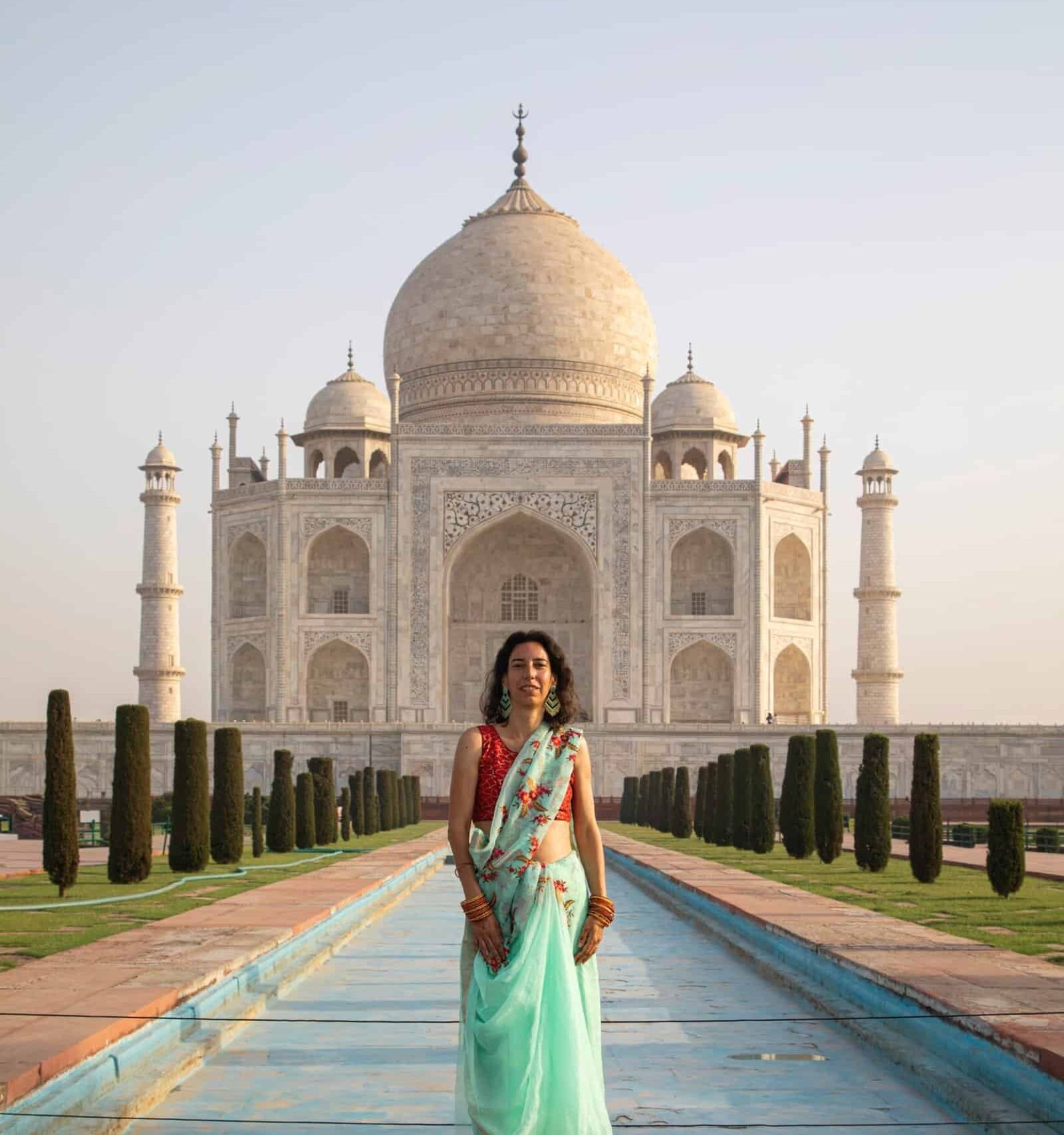
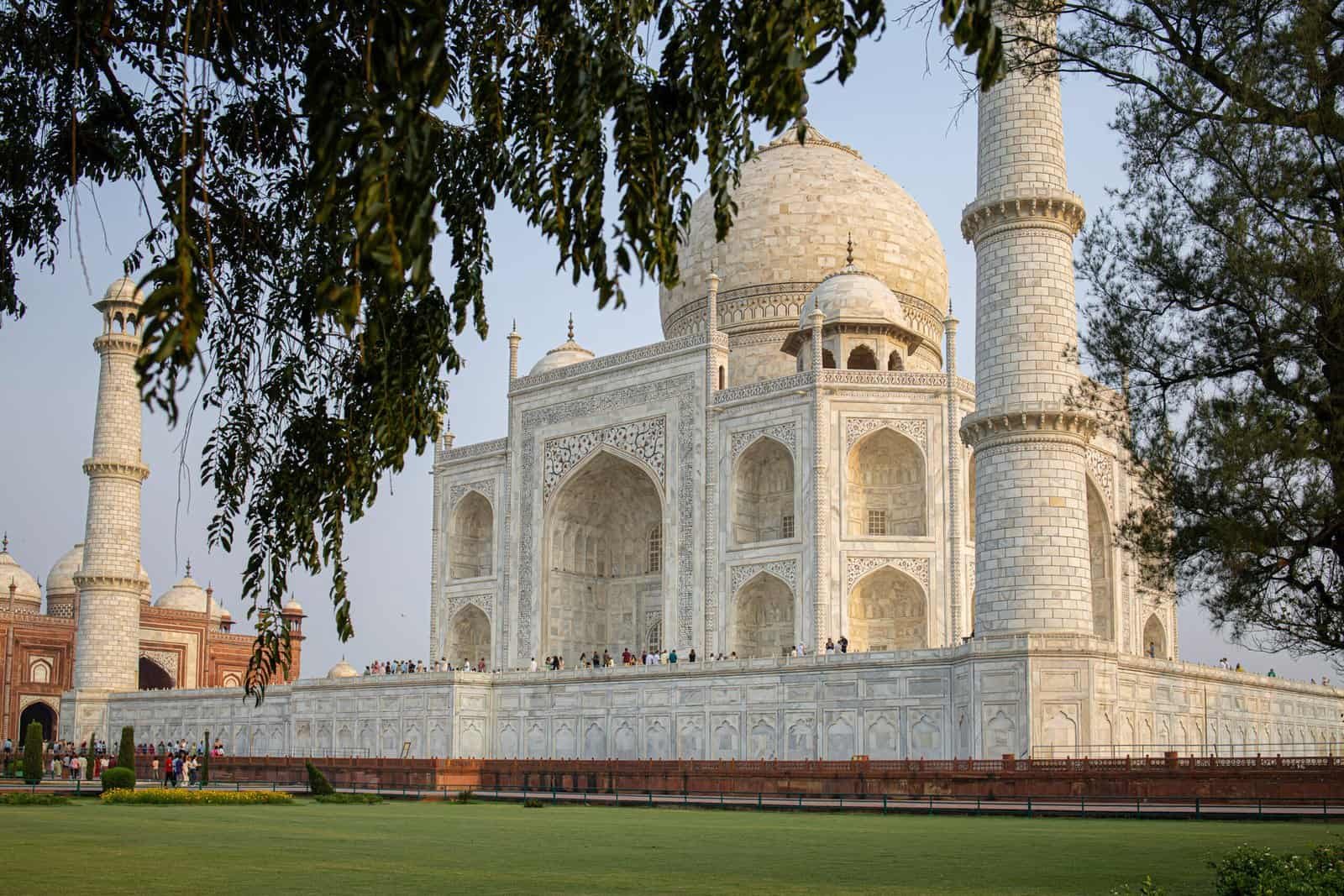
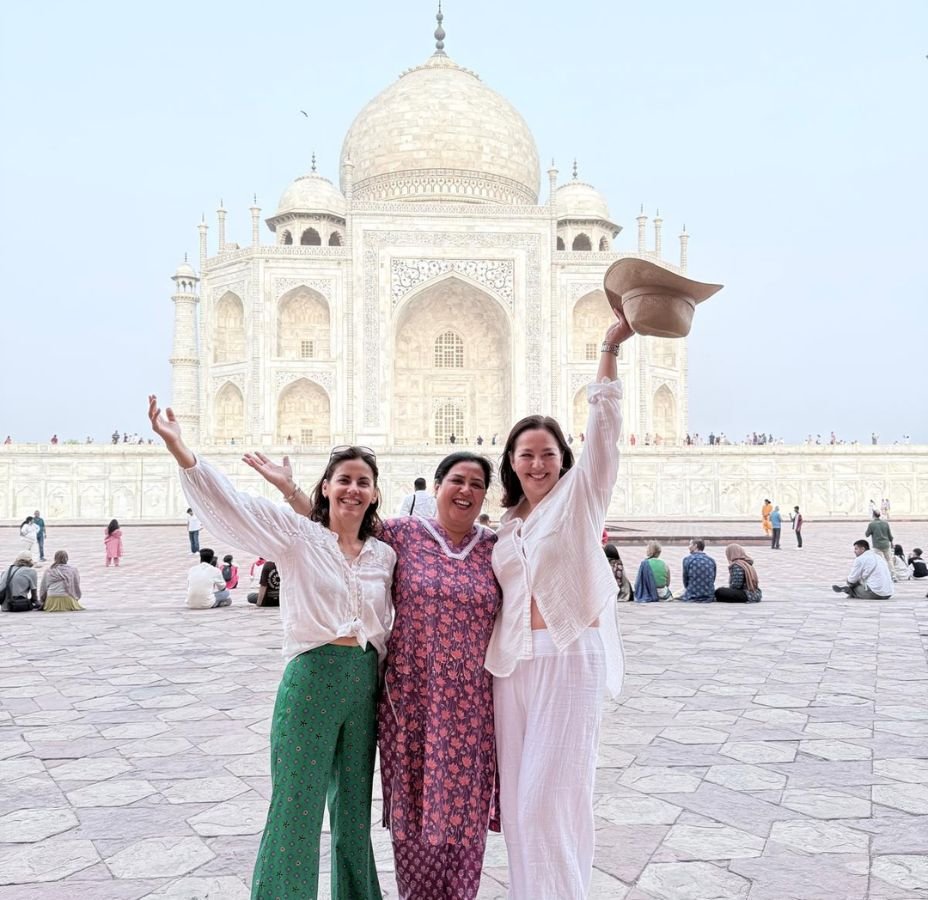
The Taj Mahal isn't just a building—it's a symphony in marble. Standing 73 meters tall, this ivory-white mausoleum represents the pinnacle of Mughal architecture, blending Persian, Ottoman Turkish, and Indian styles into something entirely unique.
What makes it extraordinary:
Having guided countless international travelers, here's insider advice you won't find in standard guidebooks:
Best Times to Visit:
Enter through the East Gate (Shilpgram) rather than the crowded West Gate. You'll save 20-30 minutes of queue time.
Just 2.5 kilometers from the Taj Mahal stands another UNESCO World Heritage masterpiece—the imposing Agra Fort.
This massive red sandstone fort served as the main residence of Mughal emperors until 1638. Within its 2.5-kilometer walls lies an entire city of palaces, mosques, and gardens.
Must-See Highlights:
The fort's red sandstone creates stunning contrast photographs. For the best shots:
A comprehensive travel agent for Agra will always recommend experiences beyond the famous monuments.
Often overlooked by hurried tourists, this exquisite tomb predates the Taj Mahal by 17 years and likely served as its prototype. Known as the "Baby Taj," it was the first Mughal structure to use white marble and pietra dura (inlaid semi-precious stones).
Why visit: Smaller crowds, equally stunning details, and a peaceful garden setting perfect for contemplation.
Directly across the Yamuna from the Taj Mahal, this Persian-style garden offers the most spectacular sunset views. Originally built by Emperor Babur, it provides:
Thirty-seven kilometers from Agra lies Emperor Akbar's abandoned capital. Built in 1571, this entire city was mysteriously deserted after just 14 years, possibly due to water scarcity.
Highlights include:
Agra's food scene extends far beyond tourist restaurants. For authentic experiences:
Petha: Agra's signature sweet made from ash gourd, available in dozens of flavors. Visit Panchhi Petha or Bhagat Halwai for the best quality.
Bedai & Jalebi: The classic Agra breakfast—spiced lentil-stuffed puris served with potato curry and crispy spiraled sweets drenched in sugar syrup.
Mughlai Cuisine: Rich curries, succulent kebabs, and buttery breads that trace their recipes to royal kitchens. Try Pinch of Spice or Dasaprakash for quality meals.
Look for stalls with high turnover and freshly cooked items. The busier the vendor, the fresher the food.
Agra's artisan traditions continue today:
Beware of touts offering "factory tours"—many lead to overpriced showrooms. When in doubt, browse our packages for curated, authentic shopping experiences.
October to March: Peak season with pleasant temperatures (8-25°C). December-January can be foggy, occasionally obscuring Taj views.
April to June: Hot (up to 45°C) but fewer crowds. Early morning visits are essential.
July to September: Monsoon season brings humidity but also dramatic skies and lush gardens.
From Delhi:
Local Transportation:
Agra is not merely a destination—it's an emotional journey through time, art, and human devotion. From the world-renowned Taj Mahal to the powerful Agra Fort, from hidden baby palaces to aromatic street food lanes, this city offers layers of discovery that reward the curious traveler.
Key Takeaways:
Don't let planning stress diminish your excitement. Our team at Trip to Taj Mahal has spent years perfecting travel guide for Agra experiences that transform first-time visitors into lifelong India lovers.
🌟 Ready to turn your Agra dreams into reality?
Browse Our Packages or Book an Agra Tour to speak with our friendly team. We handle everything—from skip-the-line tickets to authentic local experiences—so you can focus on what matters: standing before the Taj Mahal and feeling its magic for yourself.
Your once-in-a-lifetime journey begins with a single step. Take it today.
Agra is world-famous for the Taj Mahal, one of the Seven Wonders of the World. Beyond this iconic monument, Agra is renowned for Agra Fort, the abandoned city of Fatehpur Sikri, exquisite marble inlay craftsmanship, Mughlai cuisine, and leather goods. The city served as the Mughal Empire's capital for over a century.
For most international travelers, two full days allow comfortable exploration of major sites. Day one covers Taj Mahal (sunrise), Agra Fort, and Mehtab Bagh (sunset). Day two explores Itimad-ud-Daulah, shopping districts, and either Fatehpur Sikri or culinary experiences. Rushed visitors can see highlights in one long day.
Yes, Agra is generally safe for international visitors. Normal travel precautions apply—use registered taxis, avoid isolated areas at night, keep valuables secure, and stay hydrated. Tourist Police patrol major attractions. Hiring reputable guides significantly enhances safety and helps navigate unfamiliar situations.
October through March offers ideal conditions with pleasant temperatures (15-25°C) and clear skies. Within each day, sunrise provides the most magical experience with soft light, minimal crowds, and cooler temperatures. Full moon night visits offer a uniquely romantic atmosphere but require advance booking.
Absolutely. Agra lies just 200 kilometers from Delhi, reachable in 2-3 hours via the Yamuna Expressway or 1.5 hours by high-speed Gatimaan Express train. Day trips allow visits to the Taj Mahal and Agra Fort, though an overnight stay provides a more relaxed, comprehensive experience.
Dress modestly out of respect for cultural and religious sites. Lightweight, loose-fitting clothing covering shoulders and knees works best. Comfortable walking shoes are essential—you'll remove them at mosque areas, so slip-on styles prove convenient. Carry a light scarf for sun protection and covering up when needed.
Professional guides dramatically enhance Agra experiences. They share historical stories invisible to casual observers, navigate crowds efficiently, and access viewpoints tourists miss. Quality guides also protect against scams and overpriced shops. Government-licensed guides near monument entrances offer reasonable rates, or book through reputable travel agencies.