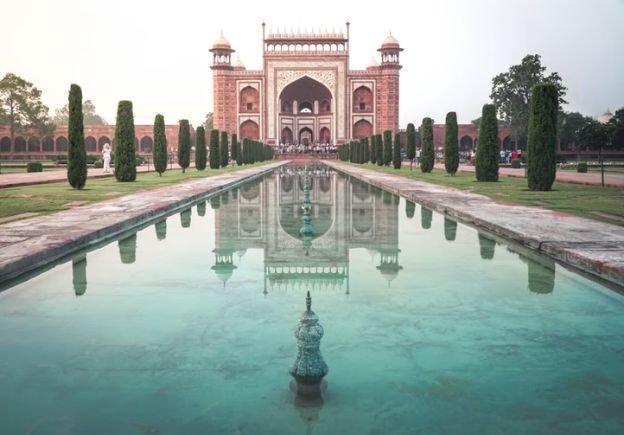
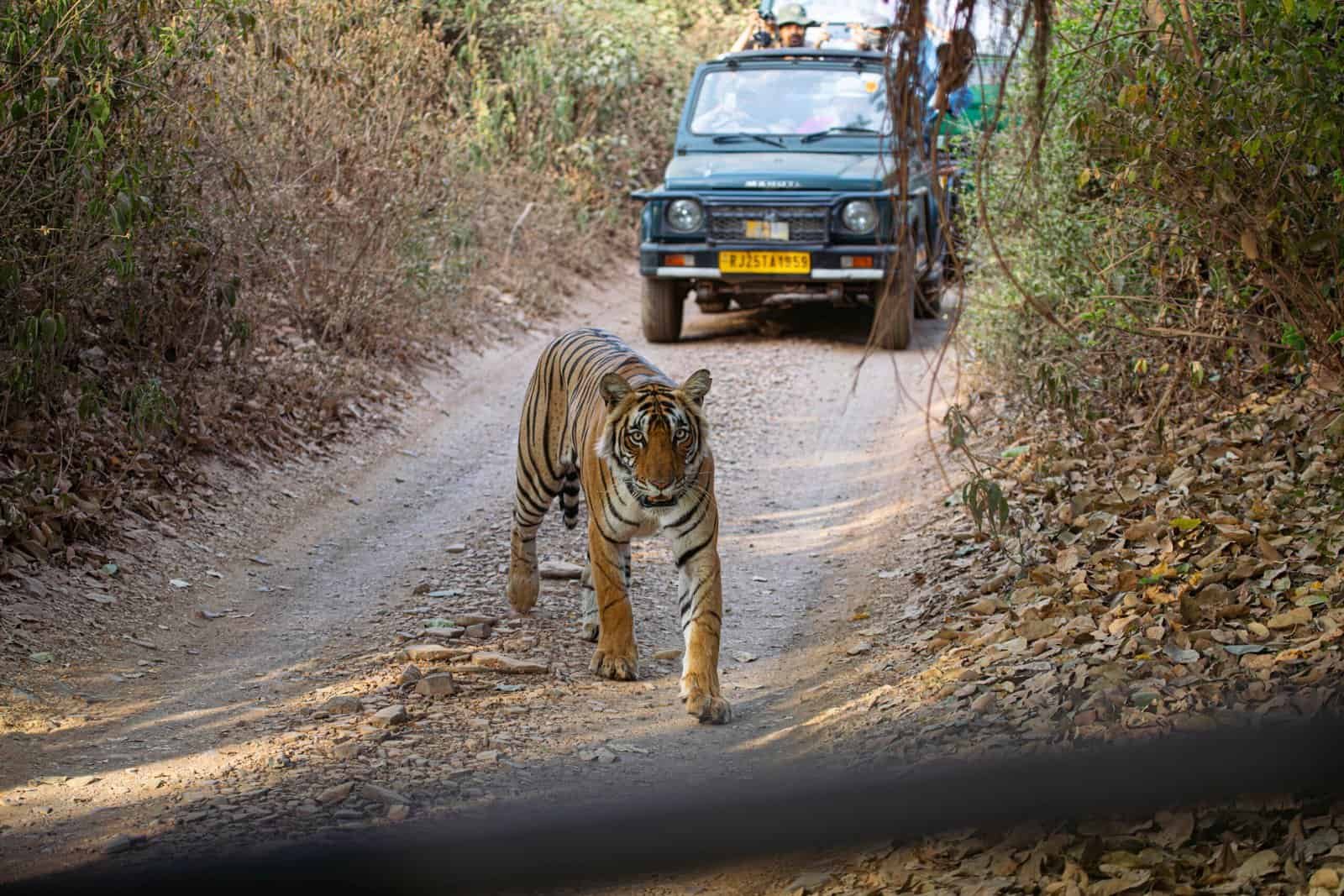
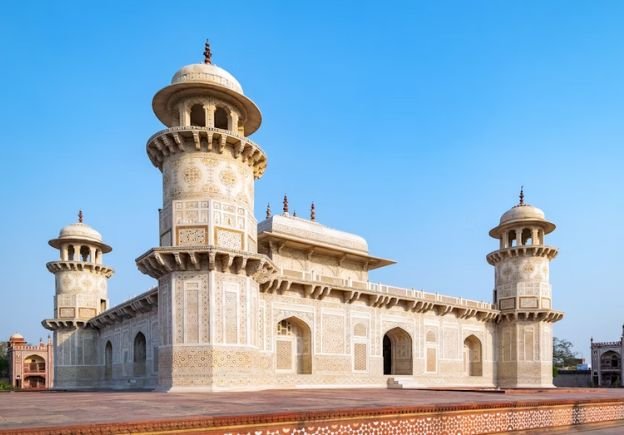
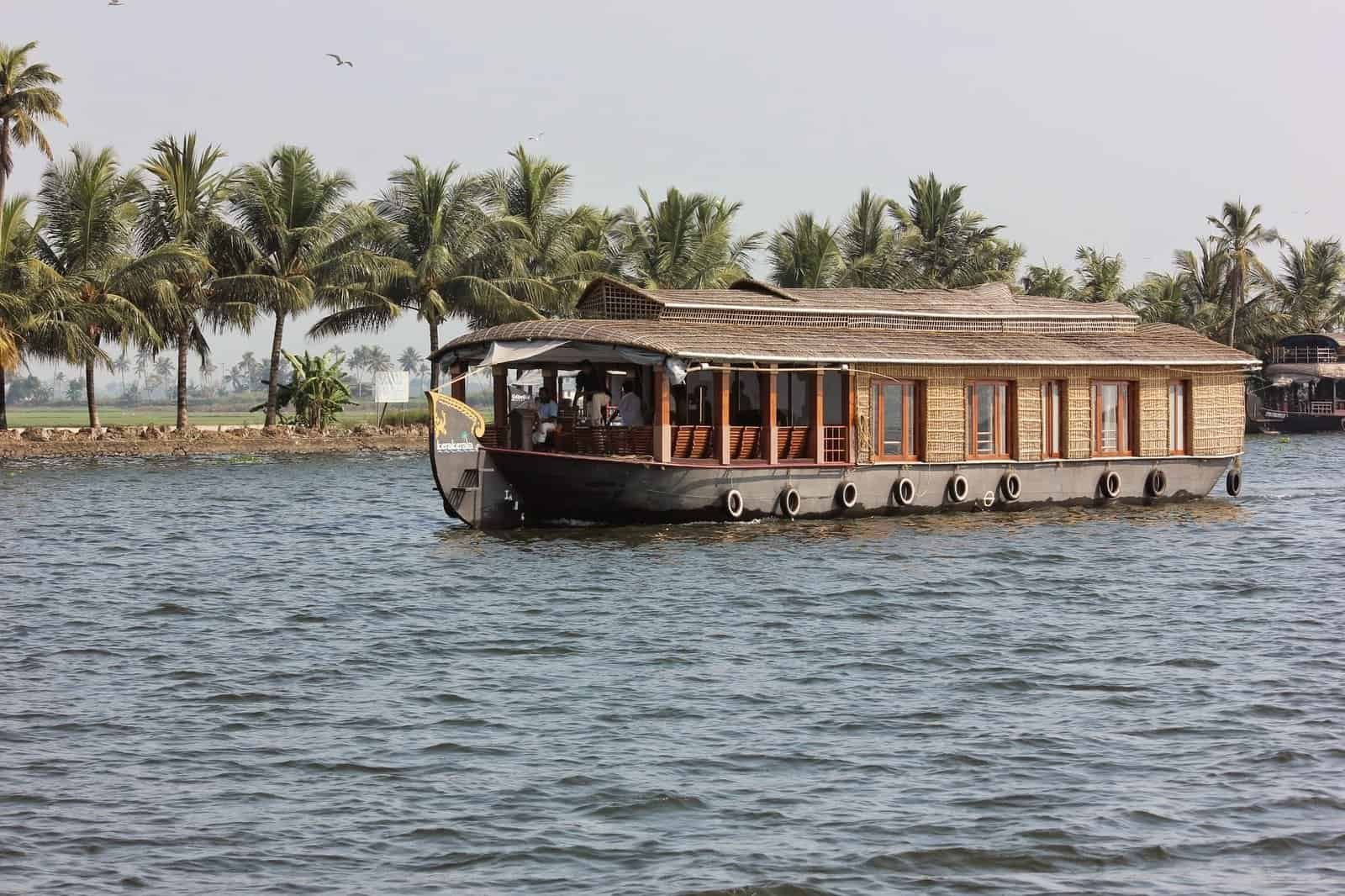
Imagine standing before the ethereal Taj Mahal at sunrise, savoring authentic Kerala backwater cuisine aboard a traditional houseboat, or exploring ancient Rajasthani palaces where maharajas once walked. Your extraordinary Indian journey begins not with your flight booking, but with securing the right travel visa for India—and in 2026, the process has never been more streamlined.
India welcomes over 10 million international visitors annually, yet many travelers feel overwhelmed by visa requirements. Whether you’re planning a spiritual retreat in Rishikesh, a luxury tiger safari in Ranthambore, or a family adventure through the Golden Triangle, understanding the e-visa for India system ensures your journey starts smoothly, eliminating last-minute complications that could derail your dream vacation.
This comprehensive guide unveils everything discerning travelers need to know about how to apply for visa for India in 2026—from eligibility criteria and application procedures to insider strategies that expedite approval. We’ve distilled complex immigration protocols into actionable insights, ensuring your visa process becomes the easiest part of your India travel planning.
India’s visa infrastructure has evolved dramatically, transforming from a bureaucratic labyrinth into an intuitive digital ecosystem. The e-visa India platform, introduced in 2014 and continuously refined, now serves citizens from over 170 countries, processing applications with remarkable efficiency.
What Makes 2026 Different?
The Indian government recently implemented AI-powered verification systems that reduce processing times by 40%. Biometric requirements have been streamlined at designated airports, and the mobile application experience now rivals the desktop platform—crucial for spontaneous luxury travelers booking last-minute cultural experiences.
The system categorizes visas based on travel purpose: tourism, business, medical treatment, conferences, and specialized categories for yoga retreats and ayurvedic programs. For leisure travelers, the travel visa for India under the e-Tourist Visa (eTV) category remains the most popular choice, offering flexibility that traditional sticker visas cannot match.
Key Advantages of India’s Modern Visa System:

Not all international travelers can leverage the e-visa for India convenience. Understanding eligibility prevents wasted time and ensures you pursue the correct application path.
Citizens from 171 nations qualify, including USA, UK, Canada, Australia, Germany, France, Japan, Singapore, UAE, and most European Union countries. Notable exceptions include Pakistan, Afghanistan, China (with conditions), and several African nations requiring traditional visa applications through embassies.
Entry Point Restrictions:
Your e-visa grants entry through specific ports only:
Airports (28 designated):
Seaports (5 designated):
Pro Insight: If you’re planning an overland entry from Nepal or Bhutan, the e-visa will NOT suffice—you’ll need a traditional visa from an Indian embassy beforehand. This catches many seasoned travelers off-guard when designing multi-country Himalayan expeditions.
Passport Validity Requirements:
Your passport must remain valid for at least six months from your intended arrival date, with a minimum of two blank pages for immigration stamps—a non-negotiable requirement immigration officers strictly enforce.
Selecting the appropriate visa category significantly impacts your application success and travel flexibility. The India visa process differentiates between several tourist-focused categories:
Validity Options:
Maximum Stay: 90 days per visit (180 days for citizens of USA, UK, Canada, Japan)
Permitted Activities:
Not Permitted:
India’s reputation for world-class medical tourism makes this category increasingly popular. The e-Medical Visa allows 60-day triple entry for treatment, while up to two attendants can apply for companion visas.
Unique Requirement: Must attach medical documents from recognized Indian hospitals/treatment centers.
Despite the name, this serves travelers combining luxury leisure with business meetings—attending conferences, exploring partnerships, or conducting site visits. Validity extends to 1 year with multiple entries, maximum 180-day continuous stay.
Attending cultural festivals, academic symposiums, or industry conventions? This specialized 30-day visa requires event documentation from Indian organizing bodies.
When e-visa doesn’t apply—missionaries, research scholars, journalists, or travelers entering via land borders—embassy-obtained sticker visas remain necessary. Processing takes 7-15 business days but offers category options unavailable electronically.
The e-visa India application process demands attention to detail but follows a logical progression. Luxury travelers appreciate that the entire procedure takes approximately 20-30 minutes when documents are prepared in advance.
Document Digitization Checklist:
Passport bio-page scan (PDF format, under 300KB)
Recent photograph (JPEG format, 10KB-1MB)
Supporting documents (visa-type dependent)
Pro Photography Tip: The auto-rejection rate for photos is surprisingly high. Avoid smartphone selfies; instead, visit professional passport photo services or use dedicated apps like Passport Photo Online that auto-format to Indian specifications.
Step 1: Access Official Portal
Navigate exclusively to **https://indianvisaonline.gov.in**—the sole legitimate government platform. Beware of commercial websites charging inflated fees for identical services.
Step 2: Complete Application Form
The form contains three sections:
Section A: Personal Information
Critical Detail: Even minor discrepancies between your application and passport trigger automatic rejections. If your passport reads “John Michael Smith,” don’t abbreviate to “John M. Smith.”
Section B: Passport & Travel Details
Insider Strategy: List your first accommodation’s complete address, even if you’re planning spontaneous travel afterward. Immigration appreciates specific itinerary details.
Section C: Professional & Contact Information
Step 3: Upload Documents
Use the prescribed formats mentioned earlier. The system validates file sizes and dimensions in real-time.
Step 4: Payment Processing
Current e-Visa Fees (2026):
Payment methods: Visa, Mastercard, American Express, or direct debit (depending on country). Transaction confirmation arrives instantly via email.
Banking Tip: Use credit cards offering foreign transaction fee waivers—Chase Sapphire, American Express Platinum—to avoid unnecessary 3% charges.
Step 5: Receive & Verify ETA
Your Electronic Travel Authorization (ETA) arrives via email typically within 24-72 hours. Cross-verify every detail immediately:
Emergency Processing: Expedited service (8-hour turnaround) costs an additional USD 25, available for genuine emergencies with flight proof.
Beyond the digital application, maintaining proper documentation ensures seamless India immigration experiences.
1. Valid Passport
2. Printed ETA Copy
Although digital systems exist, immigration officers at smaller airports may request physical copies. Print at least two copies—one for check-in, one for immigration.
3. Return/Onward Flight Tickets
Immigration officers increasingly verify departure plans. Refundable bookings satisfy this requirement without commitment.
4. Financial Sufficiency Proof
Rarely requested but occasionally verified for budget travelers:
Luxury Traveler Advantage: Confirmed hotel bookings at recognized properties (Taj Hotels, Oberoi, Leela) implicitly demonstrate financial capacity, reducing scrutiny.
5. Accommodation Confirmations
First week’s hotel booking printouts suffice. For staying with friends/relatives, carry their address and phone number.
Children Under 18:
Medical Travelers:
Business Visitors:
Strategic timing prevents travel disruptions and financial waste.
Optimal Application Window: 30-45 days before departure
Why Not Earlier?
E-visas activate from the date you’ve specified as “expected arrival”—not approval date. The 5-year visa begins counting from your first entry, not approval.
Why Not Later?
While 72-hour processing is standard, technical glitches, holiday periods (Diwali, Holi), or incomplete applications cause delays. Building buffer prevents missed flights.
Peak Season Considerations:
November-March (India’s peak tourist season):
June-September (Monsoon/shoulder season):
| Visa Type | Validity | Entries | Fee (USD) | Banking Fee |
|---|---|---|---|---|
| e-Tourist | 30 days | Single | $25 | $0.63 |
| e-Tourist | 1 year | Multiple | $40 | $1.00 |
| e-Tourist | 5 years | Multiple | $80 | $2.00 |
| e-Business | 1 year | Multiple | $80 | $2.00 |
| e-Medical | 60 days | Triple | $80 | $2.00 |
| e-Conference | 30 days | Single | $25 | $0.63 |
Additional Costs:
Free e-Visa Countries: Citizens of Argentina, Jamaica, Mauritius, South Africa, and Uruguay receive complimentary e-Tourist visas—a diplomatic reciprocity arrangement.
Even luxury travelers with extensive international experience stumble on India’s specific requirements. Learning from common errors saves time and money.
1. Name Discrepancies
Your application must mirror your passport character-for-character. “Catherine” vs. “Katherine,” missing middle names, or reversed surname-first name orders trigger auto-rejections.
Fix: Have passport physically present while completing the form.
2. Photo Specification Violations
The system rejects approximately 35% of photos for:
Fix: Use professional passport photo services familiar with Indian specifications.
3. Insufficient Passport Validity
“Six months from arrival” confuses travelers. If arriving December 1, 2026, your passport must remain valid until June 1, 2027—minimum.
Fix: Renew passports expiring within 8 months of travel.
4. Incomplete Previous Visa Information
The form asks about prior Indian visas—dates, numbers, issue locations. Approximations or omissions raise red flags.
Fix: Check old passports before starting application. If genuinely unknown, explain in additional information section.
5. Wrong Visa Category Selection
Attending a yoga workshop? Business meetings? Medical consultation? Choosing “Tourist Visa” when another category applies can result in entry denial despite valid ETA.
Fix: Read category descriptions carefully. When uncertain, tourist visa is usually safest for leisure travel.
6. Invalid Email Addresses
Your ETA arrives electronically. Typos like “gmail.con” or full mailboxes mean you won’t receive authorization.
Fix: Verify email immediately after submission. Check spam folders within 24 hours.
7. Early Application for Multi-Year Visas
Applying 6 months early for a 5-year visa seems prudent, but remember: the validity period starts from your declared arrival date, not approval date.
Fix: Apply 4-6 weeks before actual travel, not hypothetical future plans.
8. Land Border Entry Attempts
Your e-visa is invalid at Nepal, Bhutan, Pakistan, Bangladesh, or Myanmar land crossings—a detail hidden in fine print that shocks overland travelers.
Fix: Obtain traditional visa if entering via Wagah Border, Siliguri, or other land crossings.
9. Unclear Travel Itinerary
Vague addresses like “various hotels in Rajasthan” concern immigration officers assessing security.
Fix: List first confirmed accommodation’s complete address. Subsequent spontaneous travel is acceptable once in India.
10. Ignoring Biometric Requirements
First-time Indian visitors undergo biometric collection (fingerprints, photograph) at arrival airports—a 5-15 minute process at designated counters.
Fix: Allow extra 30 minutes beyond typical immigration time at entry airport.
Both pathways lead to incredible Indian experiences, but they serve different traveler profiles.
✅ Convenience: Entire process completed from home
✅ Speed: 72-hour average processing
✅ Cost-effective: No courier fees or embassy travel
✅ Flexibility: Multiple validity options
✅ Digital record: No passport wear from sticker placement
Ideal For: Standard leisure travelers, short business trips, medical tourism, cruise passengers
✅ Longer validity: 10-year options available
✅ Land border entry: Valid at all entry points
✅ Special purposes: Journalism, research, employment, mountaineering
✅ Consular assistance: In-person clarification for complex situations
✅ Group processing: Tour operators can submit collectively
Ideal For: Long-term visitors, researchers, journalists, overland travelers, expats returning
Choose e-Visa if:
Choose Traditional Visa if:
Hybrid Strategy for Luxury Travelers:
Frequent India visitors often obtain a 10-year traditional visa initially, then use it repeatedly without reapplication hassles. The upfront embassy visit investment pays dividends across multiple trips—particularly valuable for travelers combining India with Nepal/Bhutan journeys via land routes.
Immigration officers review thousands of applications weekly. These professional insights increase approval probability to nearly 100%.
1. Consistency is Sacred
Every information field must align perfectly with:
Create a checklist verifying each data point before submission.
2. Be Professionally Vague About Occupation
Certain professions trigger additional scrutiny:
This isn’t deception—it’s framing your role appropriately for tourist visa context. If genuinely working in these fields professionally, consider traditional visa routes with proper documentation.
3. Demonstrate Clear Exit Intent
Immigration fundamentally wants assurance you’ll depart on time. Strengthen this perception through:
4. Reference Address Credibility
Listing “Hotel Taj Mahal Palace, Mumbai” carries more weight than “Guesthouse in Paharganj.” Recognized accommodations implicitly validate your travel intentions and financial capacity.
Luxury Hack: If planning extended stays in vacation rentals, list your first 2-3 nights at a recognized hotel, then move to your Airbnb afterward.
5. Timing Applications Strategically
Best Days to Apply: Tuesday-Thursday
Avoid: Friday afternoons (officers rushing before weekends), Monday mornings (backlog clearing), Indian national holidays
Optimal Hour: 10 AM-2 PM IST (Indian Standard Time)—officers are fresh, systems run smoothly
6. Handle Previous Rejections Carefully
If you’ve faced visa rejection (India or elsewhere), full transparency is crucial. The “Additional Information” section allows explanation. Frame rejections as administrative misunderstandings resolved subsequently.
7. Medical Visa Documentation
Medical travelers should:
8. Triple-Check Before Payment
The application allows editing until payment confirmation. Once paid, modifications are impossible—only reapplication with full fees.
Final Review Checklist:
Your ETA approval is merely permission to travel—final entry authorization occurs at immigration counters.
Step 1: Disembarkation
Follow “Foreign Nationals” signage. E-visa and traditional visa holders use identical queues.
Step 2: Document Preparation Zone
Before joining immigration queues, organize:
Step 3: Biometric Enrollment (First-Time Visitors)
Designated counters collect:
Duration: 5-15 minutes
Required for: First-time e-visa users
Pro Tip: Remove rings, bracelets beforehand—jewelry interferes with fingerprint scanners, causing frustrating rescans.
Step 4: Immigration Officer Interview
Standard questions include:
Communication Style: Courteous, concise, confident. Over-explaining raises suspicions; under-explaining seems evasive.
Red Flag Responses to Avoid:
Step 5: Entry Stamp
Upon satisfaction, officers stamp your passport with entry date and permitted stay duration. Verify this stamp immediately—errors occasionally occur.
Step 6: Baggage & Customs
India permits duty-free:
Prohibited Items:
Luxury travelers can prebook:
Meet & Greet Services (₹5,000-15,000):
Available at: Delhi, Mumbai, Bangalore, Chennai, Hyderabad
Booking: Through luxury travel agencies or directly via airport websites
India’s enchantment often exceeds planned durations. Fortunately, visa extensions are possible—though complex.
Critical Reality: E-visas are generally NOT extendable. The Indian government designed them for fixed-duration tourism.
Exception: Medical emergencies with hospitalization proof occasionally receive 30-day emergency extensions.
Solution for Extended Stays:
Option 1: Visa Run
Exit to Nepal, Sri Lanka, or Maldives, then re-enter on new e-visa. Ensure 2-month gap between e-visa applications to avoid red flags.
Cost Calculation:
Option 2: Convert to Traditional Visa
Apply at Foreigner Regional Registration Office (FRRO):
Success Rate: Approximately 40% for tourist purposes, higher for business/medical reasons.
Regular visas permit extensions up to 180 days total stay (tourist category).
Process:
Approved Reasons:
Denied Reasons:
Q1: How long does the India e-visa take to process?
Standard processing completes within 72 hours (3 business days). Most applications receive approval within 24-48 hours. Expedited processing (additional USD 25) guarantees 8-hour turnaround for emergency situations. Apply at least 4-7 days before travel to accommodate potential technical delays or resubmission needs.
Q2: Can I apply for an India e-visa on arrival?
No. India discontinued visa-on-arrival services in 2019. All travelers must obtain e-visa approval BEFORE boarding India-bound flights. Airlines verify valid visa authorization during check-in and will deny boarding without proper documentation. Emergency same-day processing exists but requires extraordinary circumstances and costs significantly more.
Q3: What happens if my India visa application gets rejected?
Rejection results in complete fee forfeiture—no refunds. You can immediately reapply after correcting errors, paying full fees again. Common rejection reasons include photo specification violations, passport validity issues, incomplete information, or previous immigration violations. If rejected twice, consider applying through Indian embassy with in-person clarification opportunities.
Q4: Can I enter India via land border with e-visa?
Absolutely not. E-visas are exclusively valid at 28 designated airports and 5 seaports. Attempting entry at Nepal (Sonauli, Raxaul), Bhutan (Phuentsholing), Bangladesh (Petrapole), or Pakistan (Wagah) land borders will result in entry denial, regardless of valid e-visa. Land border entry requires traditional visa obtained from Indian embassies abroad.
Q5: How many times can I apply for India e-visa in one year?
Tourist e-visa: Maximum 2 applications per calendar year (January-December). Business e-visa: No annual limit. Medical e-visa: Maximum 3 applications per year. After exhausting e-visa options, traditional visa becomes necessary for additional visits. Plan multiple shorter trips accordingly or obtain multi-year e-visa initially.
Q6: Do children need separate India e-visas?
Yes, every traveler regardless of age requires individual e-visa, including infants. Children under 18 traveling with parents should have their application linked to parental applications by including parents’ passport numbers in the application form. Solo minor travelers need notarized parental consent letters and sponsorship documentation.
Q7: What is the difference between ETA and e-visa?
Electronic Travel Authorization (ETA) is the approval document you receive via email after successful e-visa application. The terms are often used interchangeably. ETA is the confirmation that your e-visa has been granted. You must carry printed ETA copies when traveling to India—it’s your proof of visa authorization.
Q8: Can I work in India on tourist e-visa?
No. E-tourist visas strictly prohibit all forms of paid employment, contractual work, journalism assignments, or long-term volunteering. Violations result in deportation, future visa bans, and potential legal prosecution. Digital nomads working remotely for foreign companies occupy a gray area—technically prohibited but rarely enforced if you’re genuinely touring simultaneously.
Q9: Is travel insurance mandatory for India e-visa?
Not legally mandatory for visa approval, but highly recommended for comprehensive trip protection. Medical emergencies, lost luggage, trip cancellations, and adventure activity injuries occur frequently. Quality travel insurance (World Nomads, SafetyWing, IMG Global) costs USD 50-150 for 2-week trips and provides invaluable peace of mind.
Q10: Can I visit restricted areas with e-visa?
Partial restrictions apply. Protected areas—certain parts of Arunachal Pradesh, Sikkim, Andaman Islands, Lakshadweep—require Protected Area Permits (PAP) or Restricted Area Permits (RAP) beyond your visa. These are obtained separately from local authorities or tour operators. E-visa alone doesn’t grant automatic access to all Indian territories.
Securing your travel visa for India in 2026 represents not bureaucratic burden but the exciting first chapter of your extraordinary Indian adventure. The streamlined e-visa India system has transformed what was once a complex embassy ordeal into an intuitive digital experience, empowering millions of travelers to unlock India’s magnificent tapestry of culture, cuisine, spirituality, and natural wonders.
From the snow-capped Himalayas to the tropical backwaters of Kerala, from ancient temples echoing with centuries of devotion to ultramodern cities pulsing with innovation—your journey awaits. Understanding how to apply for visa for India properly ensures nothing stands between you and those magical moments: sunrise at the Taj Mahal, tiger sightings in Ranthambore, houseboat dinners in Kashmir, or spiritual enlightenment in Varanasi.
The India visa process detailed in this guide—from selecting the appropriate category to navigating arrival procedures—equips you with insider knowledge that transforms potential complications into seamless transitions. Apply strategically, document meticulously, and communicate confidently.
Our luxury travel specialists design bespoke Indian experiences that transform visa holders into true India connoisseurs. From palace heritage stays to private wildlife safaris, authentic culinary journeys to spiritual retreats, we craft itineraries matching your unique passions and pace.
Contact our India travel experts today for:
We offer carefully designed tour packages to match every schedule, budget, and travel style. Each package is fully customizable and available for solo travelers, couples, families, and groups.
Whether you have just one day in India or an entire week, we have the perfect same day tour packages, overnight experiences, and multi city India tour packages ready for you. Our team lives in Agra. We know every stone of the Taj Mahal, every hidden viewpoint, every worthwhile stop along the way.
Your trip to Taj Mahal should be effortless. That is our promise. You bring the curiosity. We handle absolutely everything else.
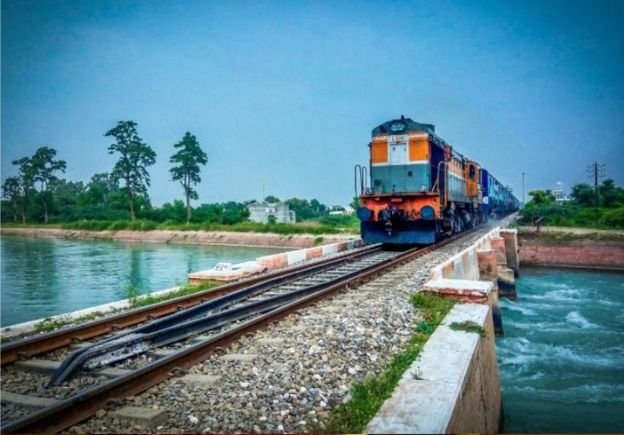
Quiet Ambience with relaxed atmosphere, gentle waves.
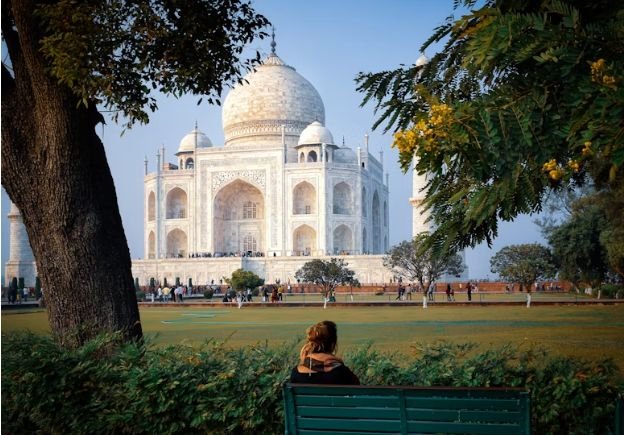
A Unique Escape To The City Of Taj
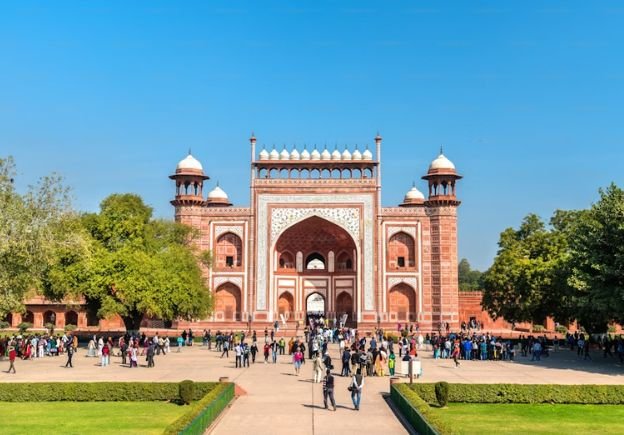
A Rare Natural Wonder with Blush-Toned Sand
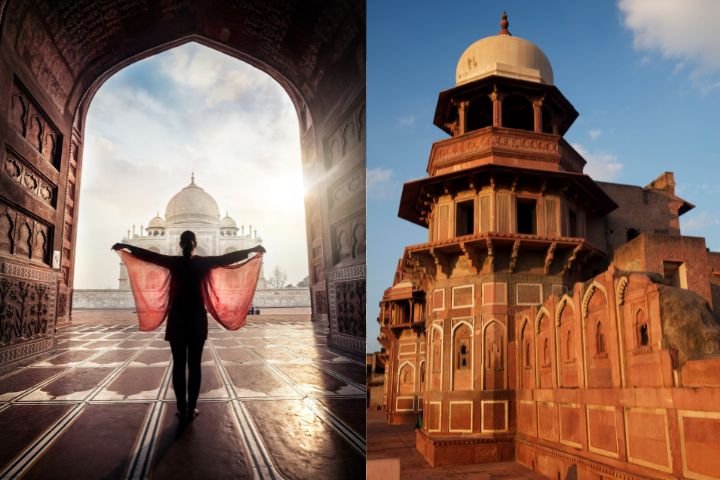
Famous for its white sand and turquoise beauty.
India’s most iconic travel route. Combine the Taj Mahal with the vibrant chaos of Delhi and the royal splendor of Jaipur for the ultimate introduction to incredible India.
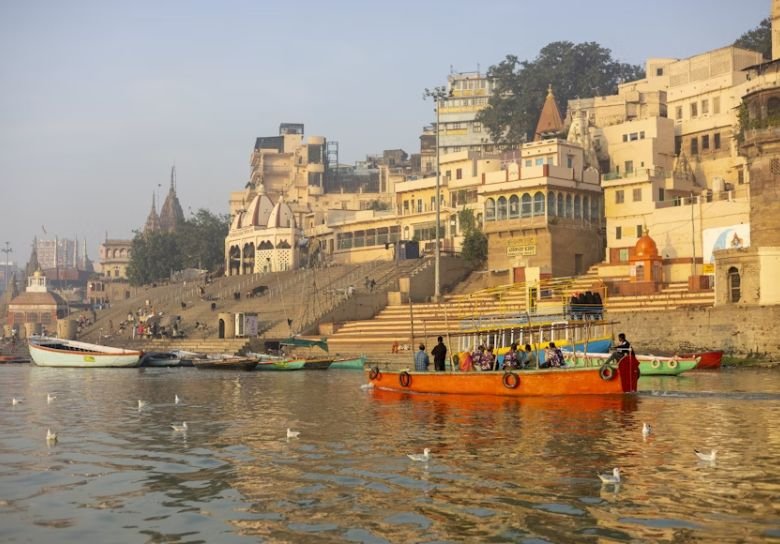
Quiet Ambience with relaxed atmosphere, gentle waves.
White Sands and Turquoise Waters Away from the Crowds

Famous for its white sand and turquoise beauty.
Famous for its white sand and turquoise beauty.
Famous for its white sand and turquoise beauty.
Trip to Taj Mahal (A unit of Indian Impression) is a Travel and Destination Management Company in India, which designs and operate tours covering the requirements of the travelers.