Indias Best Birding Tour Package 5 Day Delhi to Bharatpur & Chambal Birding Expedition
India shelters over 1,300 bird species roughly 13% of every bird on Earth and three of the subcontinent’s richest birding habitats sit within a 400 kilometer corridor south of Delhi. This India bird watching tour takes you through all three in five concentrated days: Sultanpur’s marshes, Bharatpur’s legendary Keoladeo National Park, and the wild riverine cliffs of the Chambal.
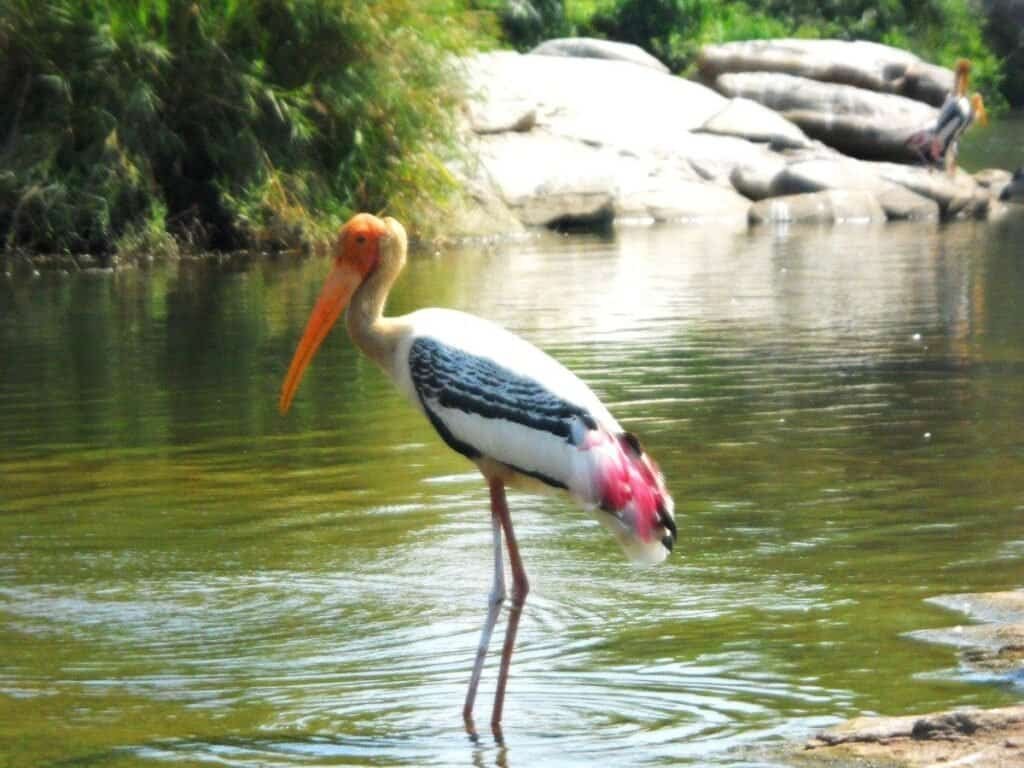
Imagine standing on a wooden boardwalk at dawn inside Keoladeo. Mist lifts off the water. A Painted Stork glides in, its pink flight feathers catching the first amber light, and settles onto a nest ten meters from your spotting scope. Behind it, three Sarus Cranes the tallest flying birds on the planet trumpet a call so deep you feel it in your chest.
That is a Tuesday morning on this itinerary.
Our guests have logged +2500 species across five days on this route during peak winter months. The circuit connects Delhi’s gateway wetland at Sultanpur to India’s most celebrated bird sanctuary at Bharatpur, then pushes into the Chambal a sanctuary most international visitors never hear about, where Indian Skimmers, river terns, and gharial crocodiles share the same sandbanks.
Every departure is led by a certified ornithologist with a minimum of eight years’ regional field experience. Not a bus driver with a laminated card. Not a generic tour guide reading Wikipedia. A published birder who knows every call, every hide, and every seasonal pattern across these three sanctuaries.
Over 2,800 international guests from 40+ countries have booked with Trip to Taj Mahal since 2010. Our average review rating: 4.8 out of 5 across 500+ verified reviews.
Here is exactly what your five days look like.
India Birding Tour Package
Your guide meets you at Delhi's Indira Gandhi International Airport with a name board and a cold towel. After settling into your hotel a heritage property in South Delhi with manicured lawns and rooftop dining you head to Sultanpur Bird Sanctuary, just 45 minutes from the city.
Sultanpur is Delhi's best-kept birding secret. This 1.43 square kilometer wetland attracts over 250 resident and migratory species, including Northern Shoveler, Eurasian Wigeon, Common Coot, Black-headed Ibis, and Spotted Owlet. During winter months, the marshes fill with Siberian visitors: flocks of Bar-headed Geese, Ruff, and Marsh Harriers circling above reed beds.
The late-afternoon light here creates extraordinary photography conditions. Your guide positions you at hides overlooking open water where Painted Storks fish in waist deep shallows. You're birding within hours of landing no wasted days.
Species highlight: Dusky Eagle Owl, often spotted roosting in Sultanpur's mature Acacia trees
A pre-dawn session at Sultanpur captures species that roost elsewhere by mid-morning think Spotted Owlet emergence and dawn raptor flights. After a hot breakfast at the hotel, you transfer south toward Bharatpur, Rajasthan. The drive takes approximately 4.5 hours via the Yamuna Expressway.
You arrive at your heritage haveli in Bharatpur by early afternoon thick stone walls, courtyard gardens, cool interiors. After a rest, an evening walk along the boundary zone of Keoladeo Ghana National Park introduces the habitat. Watch for Indian Robin, Purple Sunbird, and Alexandrine Parakeet in the scrubland fringe.
Keoladeo National Park holds UNESCO World Heritage status and ranks among the world's top five wetland birding destinations. Tomorrow, you experience why.
This is the day birders fly to India for.
You enter Keoladeo at first light — 6:00 AM in winter — by cycle rickshaw and on foot. The park covers 29 square kilometers of marshland, dry grassland, and woodland, hosting over 370 documented bird species.
Your ornithologist guide navigates a route optimized for the season's most active zones. During peak winter months (November through February), expect:
Midday, you break for a packed lunch at a shaded hide overlooking Python Point — named for the Indian Rock Pythons that sun themselves on the embankments. Afternoons shift to woodland trails where Owlets, Treepies, and Indian Grey Hornbills dominate the canopy.
Typical day count: 120–150 species in Keoladeo alone during peak season. One guest described it as "the most productive single birding day of my life."
After a final dawn walk along Keoladeo's perimeter trails, you drive 3 hours south to the Chambal River — one of India's last undammed rivers and among its most underrated wildlife corridors.
A motorized boat safari takes you along 30 kilometers of riverine habitat. Chambal is the last reliable stronghold for:
Beyond birds, scan the sandbars for gharial crocodiles (critically endangered, snout unmistakable) and Gangetic river dolphins surfacing between boat wakes. The Chambal delivers a raw, frontier-style birding experience that most international visitors never access.
Overnight at a riverside lodge with sunset views over the gorge.
An early-morning walk along the Chambal ravines targets Brown Rock Chat, Indian Courser, and Yellow eyed Pigeon in the dry scrub habitat above the river. By 9:00 AM, you begin the 5.5-hour return drive to Delhi, arriving in time for evening international flights or an overnight stay.
Your guide provides a complete species checklist digital and printed documenting every confirmed sighting across five days. Most guests depart with 200 280 species ticked off.
Every India bird watching tour booked through Trip to Taj Mahal includes:
No hidden charges. The price you see is the price you pay.
Every India bird watching tour booked through Trip to Taj Mahal Not includes
Dozens of operators list birding tours in India. Here’s why experienced travelers choose us and return.
Ornithologists, Not Generic Guides
Your guide holds a wildlife biology or zoology degree. They publish annual bird surveys. They contribute to eBird. They distinguish a Booted Eagle from a Bonelli’s at 400 meters by jizz alone. You won’t get someone Googling species names on their phone.
15 Years Guiding International Travelers
We understand what foreign visitors need: reliable logistics, Western-standard hygiene, clear English communication, and straight answers to hard questions. Over 2,800 guests from 40+ countries. 4.8/5 average across 500+ verified reviews on Google and TripAdvisor.
Transparent Pricing Every Time
We addressed this above because it matters that much. Every line item documented. No surprise fees. No inflation. Period.
This Route Is Our Specialty
The Delhi Sultanpur Bharatpur Chambal corridor is our most-operated itinerary. We know every hide in Keoladeo, every sandbar in Chambal, and which Sultanpur owls roost where depending on the month. That specificity translates directly into your species count.
Luxury After the Field
Long days birding deserve comfortable nights. Heritage havelis with courtyards. Hot water that works. Exceptional Rajasthani thalis after twelve hours scanning wetlands. Birding and roughing it are not synonyms not with us.
Couples Love This Trip
Small groups, intimate pacing, cultural texture beyond birds, and accommodation that feels romantic rather than utilitarian. Couples account for 40% of our bookings on this itinerary.
Peak season runs October through March. Winter months bring massive migratory influxes from Siberia and Central Asia – Bar headed Geese, Demoiselle Cranes, harriers, and dozens of warbler species descend on North India’s wetlands.
Book winter departures early. November through February slots fill 8–12 weeks in advance.
Golden-hour light in North India is extraordinary low, warm, and long. Position yourself at hides 30 minutes before sunrise. A 300mm+ telephoto lens is minimum; 500mm opens up Chambal river shooting. Push ISO higher than instinct suggests under woodland canopy ISO 1600–3200 is routine at Keoladeo.
Cycle rickshaws in Keoladeo function as mobile photography hides. Birds barely react to them. Shoot from the seated position for stability.
About India Bird Watching Tour
Species counts vary by season and weather, but our guests consistently log 200 to 280 species across five days during peak winter months (November to February). Keoladeo alone regularly delivers 120–150 species in a single full day. The Chambal adds 30–50 species not found at the other two sanctuaries, including the critically endangered Indian Skimmer.
Absolutely. Our guides adjust pace, terminology, and identification support to match your experience level. First-time birders receive a pre-departure species primer with photographs and calls for the 50 most likely species, so you arrive with a foundation. Experienced lifers get a focused target list and time at specialized hides. Everyone benefits.
Yes. India welcomes over 10 million international visitors annually, and this itinerary operates entirely within established national parks, protected sanctuaries, and vetted accommodations. Trip to Taj Mahal has guided 2,800+ international guests since 2010 with zero safety incidents. Your guide handles all logistics, permits, and local navigation you focus on the birds.
Every itinerary is fully customizable. Add a day at Keoladeo. Extend to Ranthambore for tiger safari. Include a day trip to the Taj Mahal it sits just 55 kilometers from Bharatpur, making it a natural half-day addition. Want a rest day built in? Done. Send us your priorities and we build a bespoke itinerary within 48 hours, free of charge.
November through February is optimal for both. Keoladeo's marshes reach peak water levels by late October, attracting maximum waterbird density. Chambal's Indian Skimmers and river terns nest on exposed sandbanks from November onward. By March, migratory species begin departing and water levels drop at Keoladeo. Visit during winter for the highest species diversity and best photography conditions.
Yes and couples are one of our most popular booking segments on this itinerary. Private departures guarantee just you, your partner, and your ornithologist guide. Flexible pacing, luxury accommodation upgrades, and cultural excursions (Bharatpur palace, local markets, Chambal village walks) are woven in naturally.
Migratory species arrive in October and leave by March. That six-month window is your window. Peak departures between November and February fill 8 to 12 weeks in advance and sanctuary entry permits for Chambal boat safaris require advance processing.
Here’s how to start:

A Unique Escape To The City Of Taj
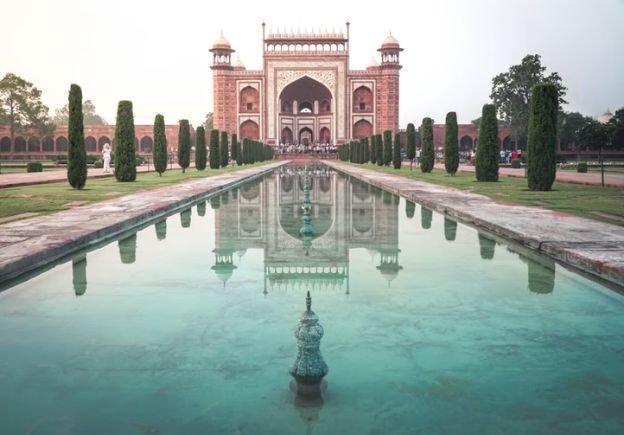
Iconic cliffs, blue waters, panoramic beauty.
Trip to Taj Mahal (A unit of Indian Impression) is a Travel and Destination Management Company in India, which designs and operate tours covering the requirements of the travelers.