
Imagine standing in front of a monument so beautiful it made its builder weep. So perfect that Mughal Emperor Shah Jahan reportedly wept at its completion, overwhelmed by the grief it embodied. The Taj Mahal is, by almost any measure, the most breathtaking structure human hands have ever made.
But here's what most tourists don't know before they arrive: what Agra India is known for goes far beyond a single white marble dome. There's a whole city of stories, flavours, forts, and forgotten lanes waiting to be explored — and most visitors only scratch the surface.
Whether you're planning your first trip to India or slotting Agra into an existing journey, this complete travel guide for Agra covers everything international travellers need — what to see, when to go, how to get there, and how to make the most of every moment. Let's dive in.

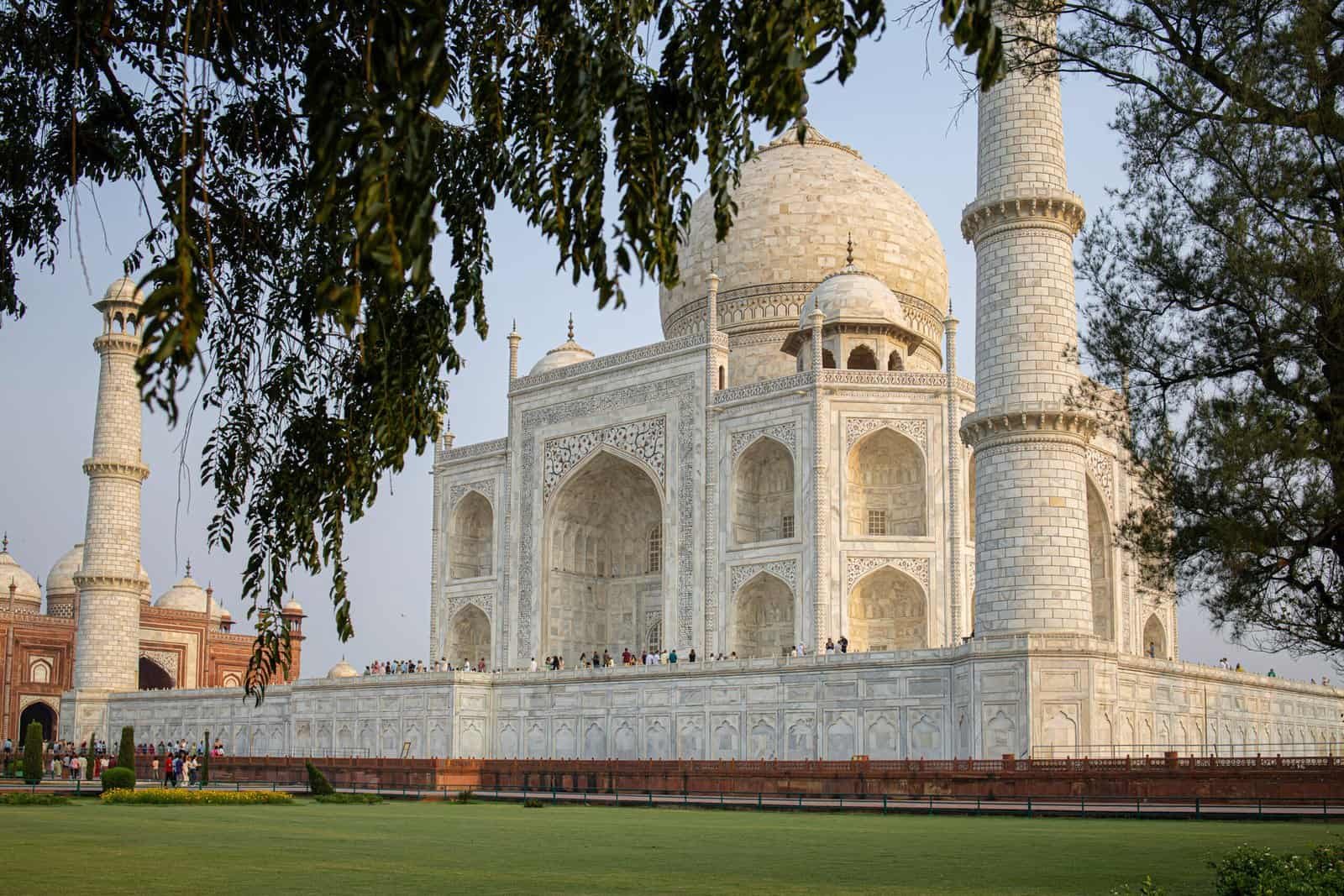
The Taj Mahal at sunrise — one of the most iconic sights in the world, and the jewel of Agra, India.
The City Built for an Empire — Background & History of Agra
How Did Agra Rise to Glory?
Agra's story begins long before the Taj Mahal was ever conceived. Located on the banks of the sacred Yamuna River in the northern Indian state of Uttar Pradesh, Agra first grew into political importance in 1504 when Sultan Sikandar Lodi relocated the capital of the Delhi Sultanate here.
But Agra's true golden era arrived — explosively — with the Mughals. When Babur defeated Ibrahim Lodi at the First Battle of Panipat in 1526, the Mughal Empire was born, and Agra became its beating heart. Over the next century, it would be the stage for some of the most dramatic events in South Asian history.
Glimpse of History — Key Milestones
| Year | Event |
|---|---|
| 1504 | Sikandar Lodi establishes Agra as capital of the Delhi Sultanate |
| 1526 | Babur defeats Ibrahim Lodi; the Mughal Empire begins |
| 1556–1605 | Emperor Akbar rules; Agra Fort and Fatehpur Sikri are constructed |
| 1628–1658 | Shah Jahan's reign — the era that defined Agra forever |
| 1632–1653 | Taj Mahal built as a mausoleum for Empress Mumtaz Mahal |
| 1857 | Agra plays a role in India's First War of Independence |
| 1983 | Taj Mahal declared a UNESCO World Heritage Site |
The Mughal dynasty made Agra the artistic, architectural, and cultural capital of their empire. The buildings they left behind aren't just tourist attractions — they're living museums of Islamic geometric art, Persian poetry in stone, and Indo-Mughal craftsmanship that has never been replicated. For any foreign traveller, Agra is a direct window into one of history's most extraordinary civilisations.
Agra Fort — a UNESCO World Heritage Site just 2.5 km from the Taj Mahal.
Top Attractions — What Agra Is Known For Beyond the Taj
When international visitors first ask what is Agra India known for, the answer starts with three UNESCO-listed landmarks. But the city has much more tucked away in its winding lanes and riverside ghats.
🕌 The Taj Mahal — The World's Greatest Monument to Love
No guide is complete without starting here. Built between 1632 and 1653 by Emperor Shah Jahan in memory of his beloved wife Mumtaz Mahal, the Taj Mahal is the apex of Mughal architecture. Its white Makrana marble shifts colour through the day — pale gold at sunrise, dazzling white at noon, and a ghostly silver under the full moon.
Best visited at sunrise (gates open 30 min before). Entry: ~₹1,300 for foreign nationals (~$15 USD). Closed on Fridays. Book tickets online at the ASI portal to skip queues. No tripods inside the mausoleum.
🏰 Agra Fort — The Red Sandstone Citadel
Just 2.5 km from the Taj Mahal, Agra Fort is a sprawling red sandstone fortress built primarily by Emperor Akbar in 1565. It served as royal residence, military stronghold, and at times a prison. Shah Jahan himself was imprisoned here by his son Aurangzeb, and reportedly spent his final years staring at the Taj from his window — a story so tragic it feels like fiction.
The fort's palaces, Diwan-i-Am (Hall of Public Audience), Diwan-i-Khas (Hall of Private Audience), and its exquisite mosques offer a fascinating architectural contrast to the Taj's pure painterly aesthetic. Entry for foreign tourists is approximately ₹650.
🏛️ Fatehpur Sikri — The Abandoned Capital
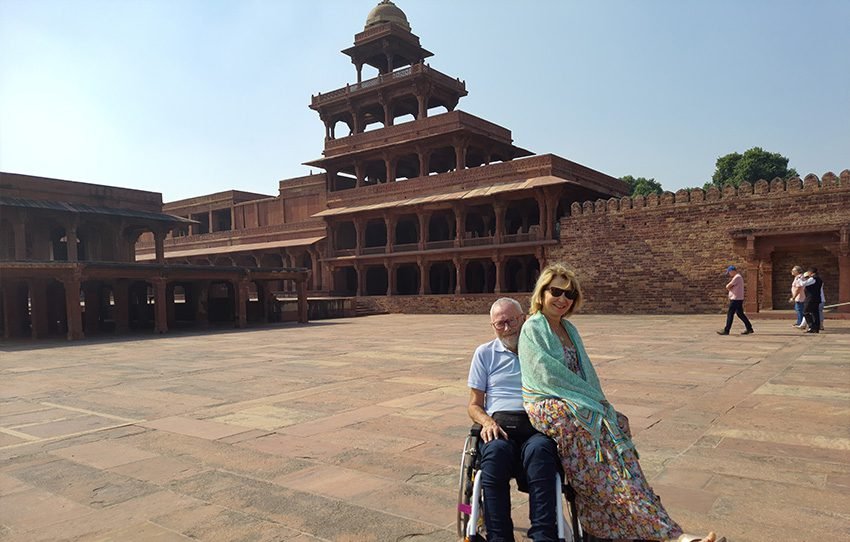
About 40 km from Agra lies one of India's most haunting sites — Fatehpur Sikri, a complete Mughal imperial city built by Emperor Akbar and then mysteriously abandoned within just 15 years, likely due to water scarcity. Walking its silent courtyards, royal palaces, and the stunning Buland Darwaza gateway feels like stepping back 450 years in time. Don't skip this one.
UNESCO World Heritage Sites
Visitors per year
Year Taj Mahal completed
Artisans built the Taj Mahal
Agra's famous petha sweets and vibrant bazaars — a feast for the senses beyond the monuments.
Food, Shopping & Local Experiences — The Real Tourist Guide for Agra
Being a truly useful tourist guide for Agra means pointing you toward the flavours and streets that most visitors miss entirely. Agra has a rich culinary and craft identity that stretches back to the Mughal royal kitchens — and it's all very much alive today.
🍬 Must-Try Foods in Agra
- Petha — Agra's most iconic sweet. A translucent, sugar-soaked candy made from ash gourd. Buy it fresh from Panchhi Petha near Agra Fort — established in 1950, it's the most reputable name in town.
- Bedai & Jalebi — The classic Agra breakfast. Spiced lentil-stuffed puri bread served with crispy, syrupy jalebis. Deviram's near Mankamaura is the place to go.
- Mughlai cuisine — Rich biryanis, coal-smoked kebabs, and creamy kormas that trace their lineage directly to the Mughal royal kitchens. Try Pinch of Spice or Dasaprakash for a proper sit-down meal.
- Agra ka Halwa — A dense, clarified-butter sweet with a texture almost like fudge. Earthy, warming, and completely addictive.
🛍️ What to Buy in Agra
Agra has a thriving cottage industry in marble inlay work (called pietra dura or parchin kari) — the same technique used on the Taj Mahal itself. You'll also find outstanding:
- Leather shoes and sandals (Agra has a long shoemaking tradition)
- Dhurrie rugs — handwoven flat-weave carpets in vivid geometric patterns
- Embroidered textiles and zardozi needlework
- Miniature Taj Mahal replicas (quality varies wildly — go to a government-certified emporium)
Avoid vendors clustered outside the Taj gates — prices are inflated and quality inconsistent. Head to Sadar Bazaar or Kinari Bazaar for better variety, authentic crafts, and negotiable prices. Government emporiums offer fixed, fair pricing if you want to skip the bargaining.
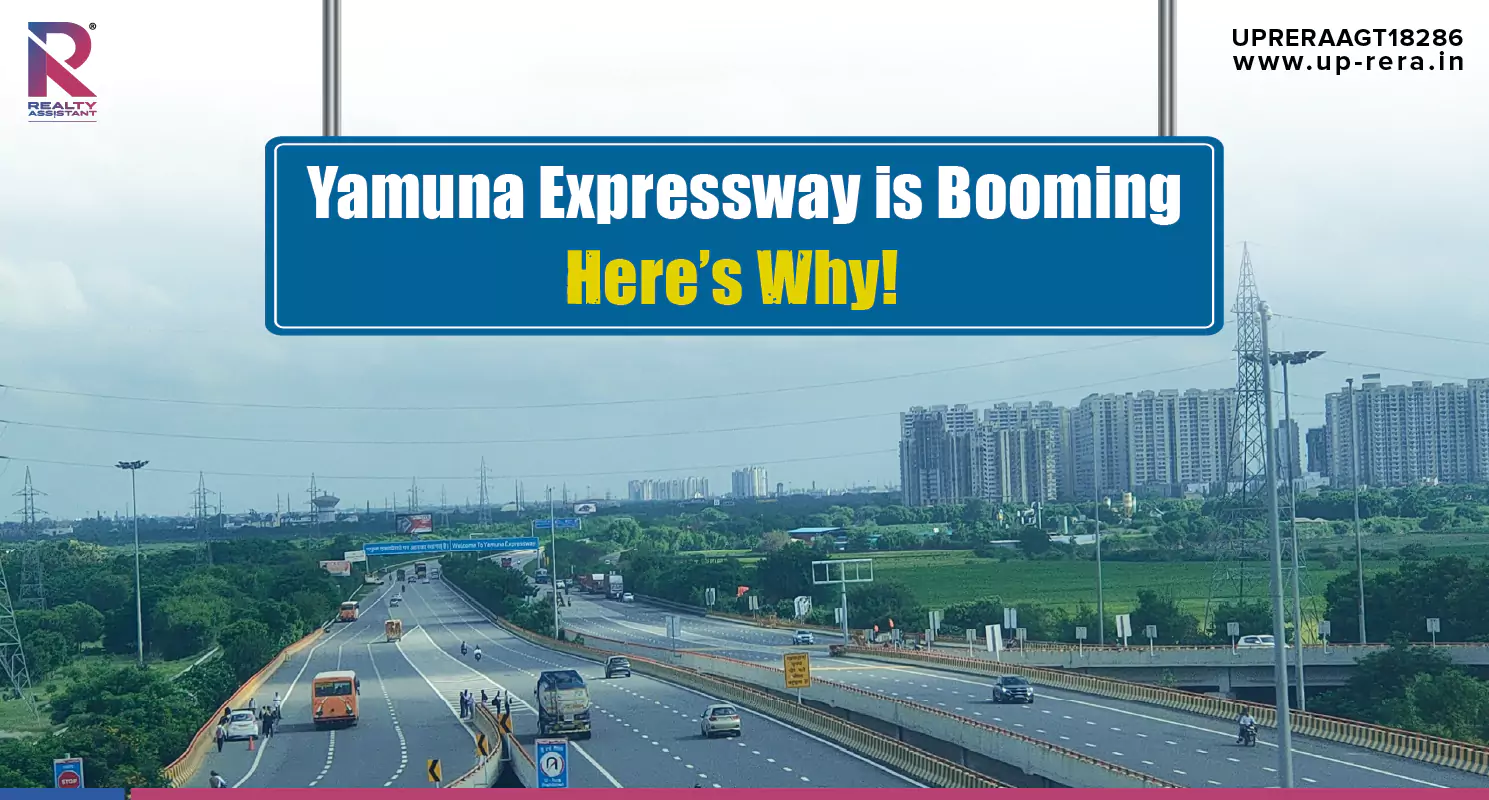
The Yamuna Expressway — the fastest and most scenic road route connecting Delhi to Agra.
Getting There & Getting Around — Practical Travel Guide for Agra
This section of the travel guide for Agra covers the practical details that most blogs overlook — because knowing what to see is half the battle; getting there smoothly is the other half.
✈️ How to Reach Agra
From Delhi (the most common route for foreign tourists):
- Gatimaan Express — India's fastest train. Delhi to Agra in just 100 minutes. Bookable on the IRCTC website. Highly recommended — comfortable, reliable, and scenic.
- Taj Express — Affordable and dependable. Around 2.5 hours. A great budget option.
- By road — Drive down the Yamuna Expressway in 3–4 hours depending on traffic. Comfortable if you book a private car through your travel agent.
- By air — Agra's Pandit Deen Dayal Upadhyay Airport has very limited flights. Delhi's Indira Gandhi International Airport remains the primary gateway for international arrivals.
From Jaipur: Agra sits perfectly on the famous Golden Triangle tourist circuit — Delhi → Agra → Jaipur. The Jaipur–Agra leg takes about 4–5 hours by road and passes through charming Rajasthani countryside.
🚗 Getting Around Agra
- Auto-rickshaws & e-rickshaws — Cheap, fun, and authentically Indian. Always agree on the fare upfront.
- Prepaid taxis & ride apps — Ola and Uber both work in Agra. More transparent on pricing and very convenient for families.
- Cycling tours — Several local operators offer guided cycling tours through Agra's quieter back lanes — a wonderful way to see more of the city at a slower pace.
No petrol or diesel vehicles are permitted within 500 metres of the Taj Mahal to protect the marble from pollution. From the main gate parking area, you either walk or take a free battery-operated bus to the entry gate.
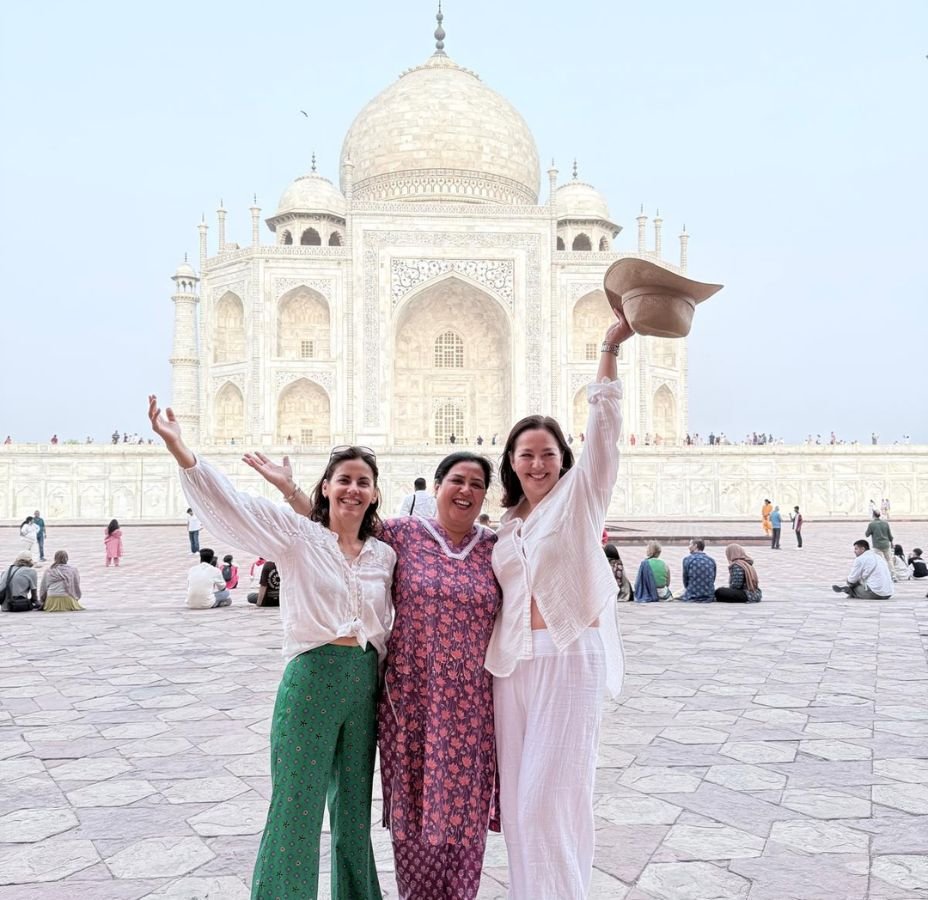
A knowledgeable local guide brings the Taj Mahal's stories and symbolism to life for international visitors.
Finding a Travel Agent for Agra — What to Look For
If you're new to India, working with a trusted travel agent for Agra can make an enormous difference to the quality of your experience. The difference between a generic day-trip and a deeply enriching visit often comes down to who's organising it.
Why Use a Local Travel Agent?
- Skip the overwhelm — Agra has dozens of sites, hidden gems, and logistics to juggle. A good agent handles all of it.
- Real knowledge — Licensed guides know the stories behind the monuments, the photography spots, the best times to visit each site, and which vendors to avoid.
- Logistics handled — Transfers, entry tickets, restaurant bookings, timing, and back-up plans — all coordinated for you.
- Peace of mind — Especially valuable for solo female travellers, families with young children, or anyone unfamiliar with navigating Indian cities independently.
- Value for money — A good agent prevents the costly mistakes (wrong season, wrong hotel, wrong vendor) that inexperienced visitors commonly make.
Questions to Ask Before Booking
- Are your guides government-licensed by India's Ministry of Tourism?
- Are Taj Mahal entry fees included in the package or charged separately?
- What happens if a site is closed (e.g., Taj Mahal is closed on Fridays)?
- Do you offer same-day Delhi–Agra–Delhi round trips?
- What vehicle and driver will be assigned to our group?
A reputable travel agent for Agra will answer every one of these questions clearly and in writing — that transparency is itself a quality signal.
Why Agra Is More Popular Than Ever — Modern Relevance
Agra receives approximately 6–8 million visitors per year, and international arrivals are growing. Here's why it remains one of India's most relevant travel destinations heading into the late 2020s:
- Bucket-list magnetism — The Taj Mahal consistently tops global "must-see" rankings across every major travel platform and survey.
- India's tourism boom — India welcomed a record 9.2 million foreign tourists in 2023, with the Golden Triangle circuit driving the highest demand.
- Infrastructure upgrades — High-speed rail, the Yamuna Expressway, and the upcoming Jewar International Airport (near Delhi) are making Agra dramatically easier to reach.
- Experiential travel shift — Modern travellers want cooking classes, artisan workshops, and heritage walks — not just monument photos. Agra delivers all of it.
- Preservation commitment — Agra's clean-fuel zone around the Taj, its ongoing marble conservation work, and new pedestrian zones signal a city investing seriously in its future.
Simply put: Agra in 2026 is more accessible, more well-organised, and more ready to welcome international visitors than at any point in its history. There has never been a better time to go.
Final Thoughts — Your Agra Adventure Awaits
Agra is not just a monument. It's a mood. It's the weight of 450 years of history distilled into a single skyline, the smell of petha cooling on a market stall, the way light hits white marble at 6 AM and makes you catch your breath. It is — simply — one of the great travel experiences on earth.
✦ Key Takeaways
- Agra is home to three UNESCO World Heritage Sites — the Taj Mahal, Agra Fort & Fatehpur Sikri
- The best season to visit is October–March (cool weather, clear skies)
- Allow at least 2 full days to explore the main sites without rushing
- Work with a licensed local travel agent for a seamless, enriching experience
- Agra fits perfectly into India's classic Golden Triangle circuit: Delhi → Agra → Jaipur
Ready to Experience Agra?
At Trip to Taj Mahal, we specialise in crafting personalised Agra itineraries for international visitors — from seamless airport pickups to guided sunrise Taj visits and curated local food walks. Let us handle every detail while you simply fall in love with Agra.
✉️ Plan My Agra Trip Now →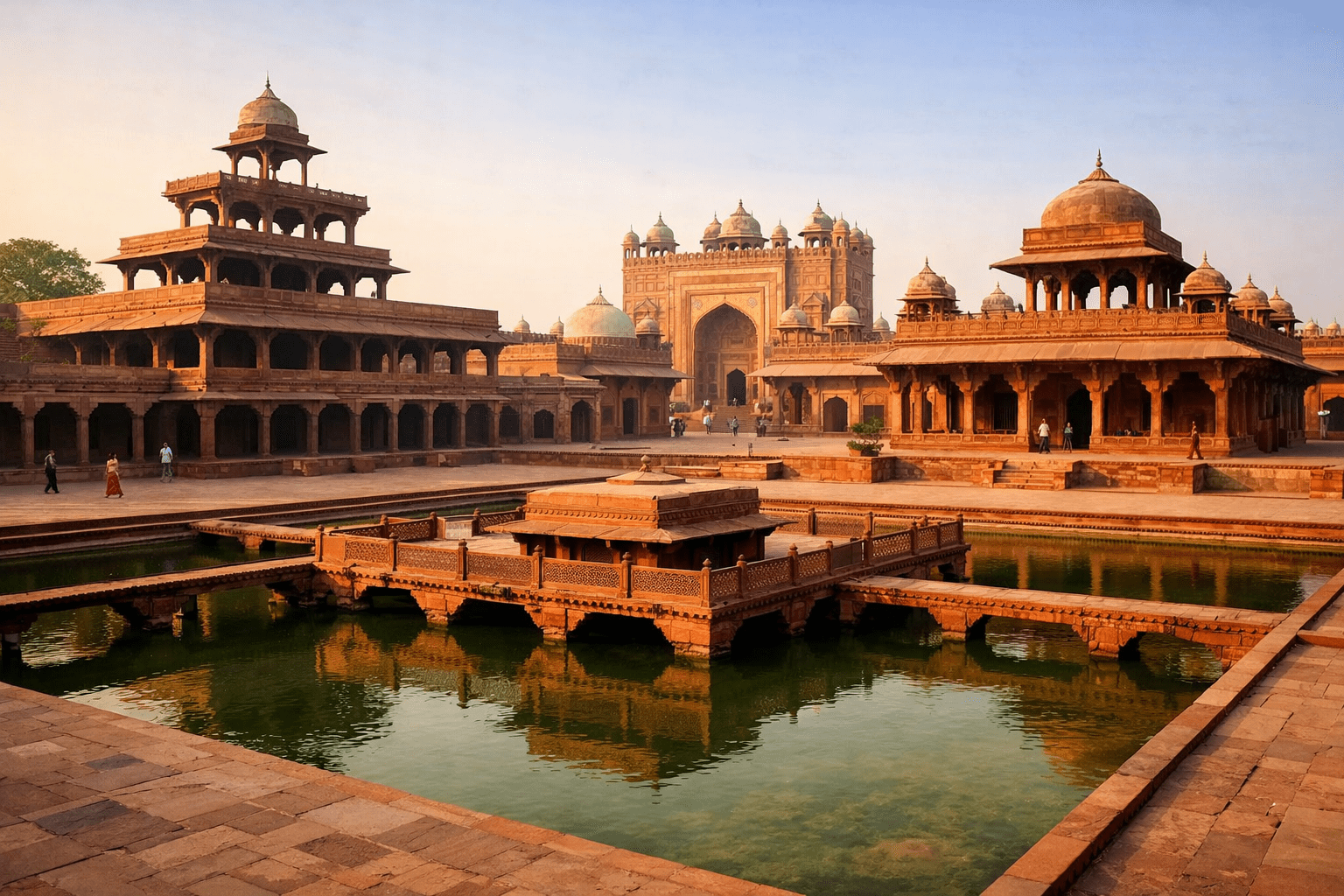
Fatehpur Sikri — a ghost city frozen in time, just 40 km from Agra.