Ganga Aarti Experience in Varanasi – Full Guide for Your Golden Triangle Spiritual Tour
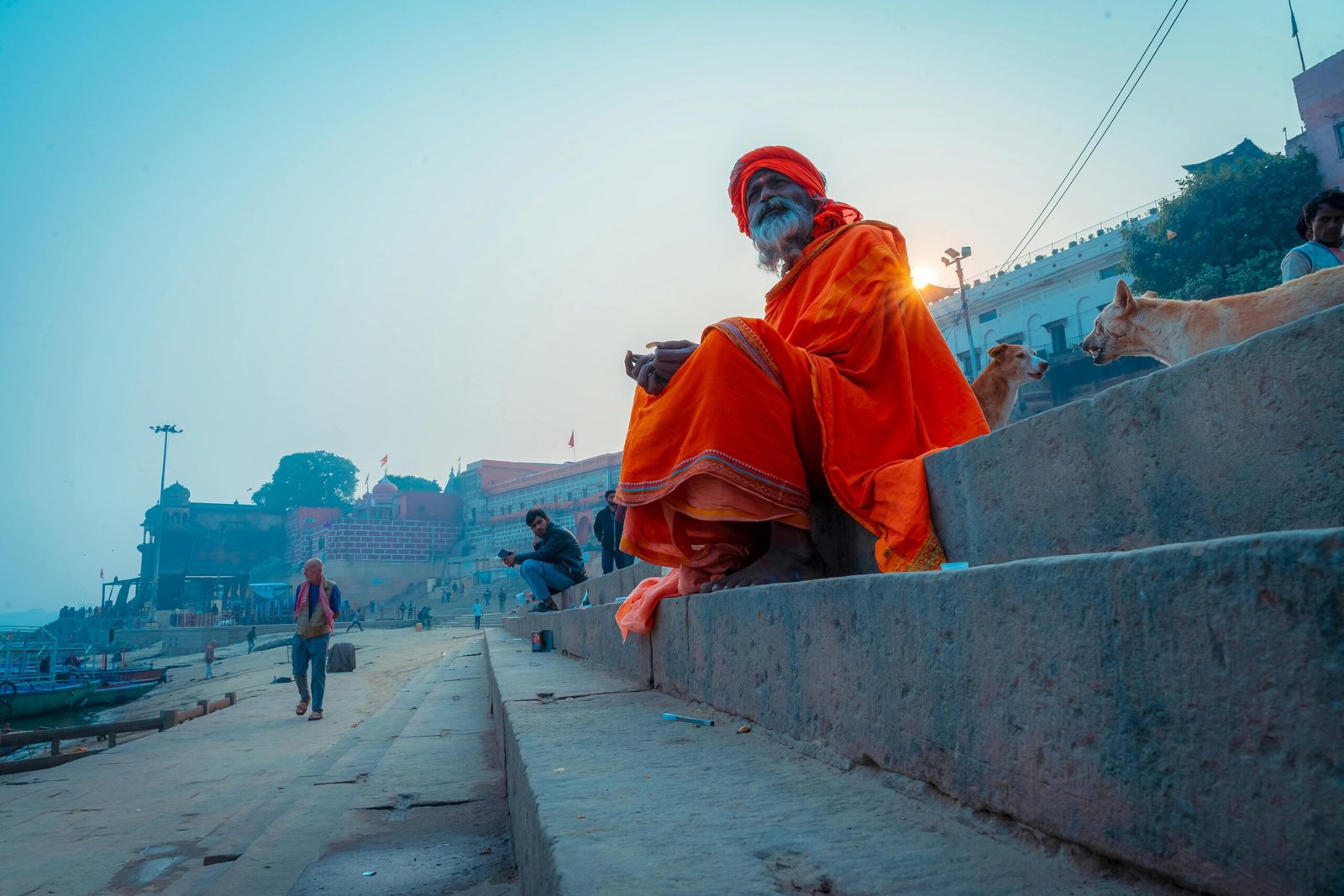
Picture this: as dusk settles over the ancient city of Varanasi, thousands of flickering oil lamps illuminate the sacred River Ganges, while priests dressed in saffron robes perform synchronized rituals to the rhythmic chanting of Sanskrit mantras. The air fills with the fragrance of incense, marigold flowers, and camphor. This is the Ganga Aarti—one of India's most mesmerizing spiritual ceremonies and an absolute must-witness experience for anyone embarking on a Golden Triangle spiritual tour.
If you're planning to explore India's most iconic destinations, extending your traditional Golden Triangle Packages to include Varanasi transforms a monument-heavy itinerary into a profound spiritual journey. While the Taj Mahal in Agra showcases eternal love in marble, and Jaipur's palaces narrate royal grandeur, Varanasi offers something intangible yet equally powerful—a direct connection to India's living spiritual heritage. This comprehensive guide will walk you through everything you need to know about experiencing the Ganga Aarti, from practical logistics to the deeper cultural significance that makes this ceremony unforgettable.
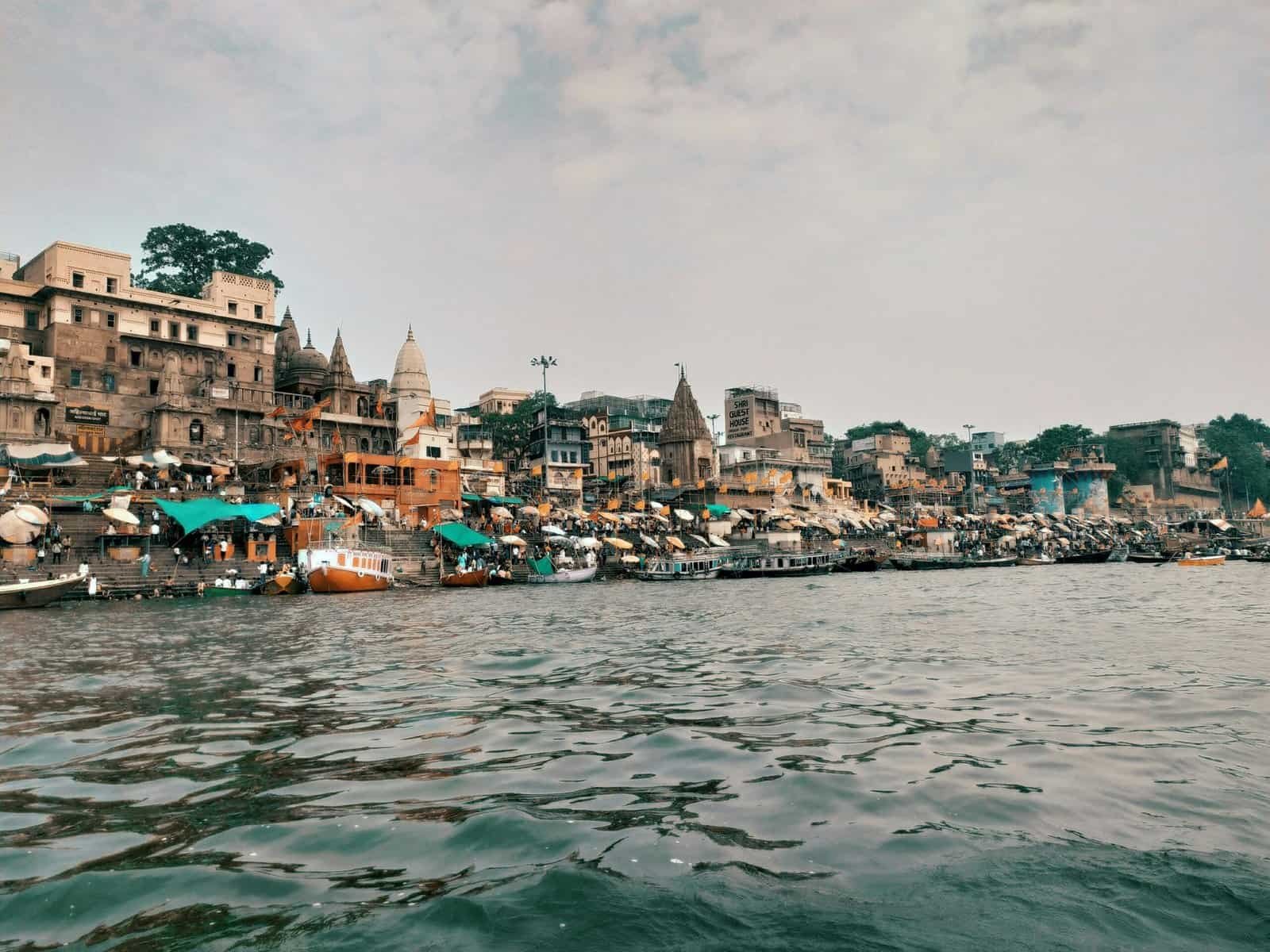
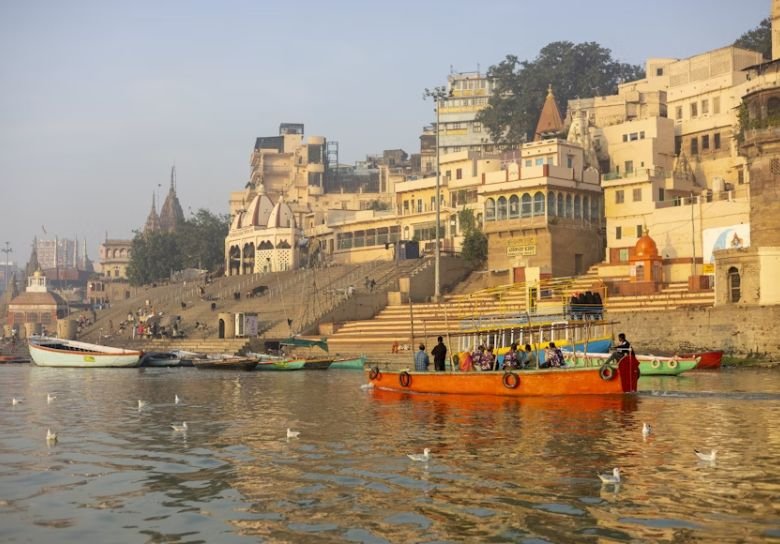
The mesmerizing Ganga Aarti ceremony at Dashashwamedh Ghat, Varanasi
Understanding the Ganga Aarti: More Than Just a Ritual
The Ganga Aarti is a devotional ritual performed to honor the River Ganges, considered the holiest river in Hinduism. Rooted in centuries-old traditions, this ceremony represents gratitude to the river goddess Ganga for sustaining life and offering spiritual purification. What began as intimate religious observances by individual priests has evolved into grand, synchronized performances involving multiple priests, each holding massive five-tiered brass lamps weighing several kilograms.
The ceremony follows a precise choreography passed down through generations. Seven priests dressed in traditional saffron kurtas stand on elevated platforms at Dashashwamedh Ghat—Varanasi's main ceremonial site—performing synchronized movements with the heavy lamps. The ritual progresses through several stages: welcoming the river deity, offering fire (deepa), incense (dhoopa), flowers (pushpa), and finally, prayers accompanied by conch shells and bells. Every gesture, every chant, every movement carries symbolic meaning, creating a multisensory spiritual theater that transcends language and cultural barriers.
Historical and Spiritual Significance
Varanasi, also known as Kashi or Benares, is believed to be one of the world's oldest continuously inhabited cities, with a history spanning over 3,000 years. The Ganges isn't merely a river here—it's the physical manifestation of divinity. According to Hindu mythology, the goddess Ganga descended from heaven to earth, and Lord Shiva caught her in his locks to prevent her force from destroying the earth. Bathing in the Ganges is believed to cleanse one's sins, and dying in Varanasi is thought to grant moksha (liberation from the cycle of rebirth).
The Ganga Aarti became formalized in its current grand format relatively recently—within the last few decades—but draws upon ancient Vedic fire worship traditions dating back thousands of years. Today, it serves multiple purposes: religious worship, cultural preservation, tourist attraction, and community gathering, making it a living bridge between ancient India and modern times.
Planning Your Ganga Aarti Visit: Practical Details
Best Time to Witness the Ganga Aarti
The main Ganga Aarti at Dashashwamedh Ghat occurs every evening at sunset, typically starting between 6:00-7:00 PM depending on the season. There's also a lesser-known morning aarti at Assi Ghat around 5:00-6:00 AM, which is smaller, more intimate, and significantly less crowded—perfect for those seeking a quieter, more contemplative experience.
Seasonally, the best months to visit Varanasi are October through March, when the weather is pleasant (15-25°C or 59-77°F). The summer months (April-June) can be scorchingly hot (above 40°C/104°F), while the monsoon season (July-September) brings heavy rains that can disrupt boat rides and outdoor viewing.
Arrive at least 60-90 minutes before the scheduled aarti time to secure a good viewing spot. The ghat starts filling up quickly, and by 30 minutes before the ceremony, prime locations are completely packed. Alternatively, book a boat ride for an unobstructed, elevated perspective from the river.
Viewing Options and Costs
| Viewing Option | Cost (INR) | Experience Level | Best For |
|---|---|---|---|
| Standing on Ghat | Free | Immersive but crowded | Budget travelers, cultural immersion |
| Boat Ride | ₹200-500 per person | Excellent panoramic views | Photographers, couples |
| Reserved Seating | ₹300-1,000 | Comfortable, good visibility | Senior travelers, families |
| Private Terrace/Hotel | ₹1,500-5,000+ | Premium, exclusive | Luxury travelers, special occasions |
The most popular and recommended option for first-time visitors is the boat ride. For ₹200-500 per person (negotiate beforehand), you'll get an unobstructed view from the river, excellent photo opportunities, and the chance to see the ghats beautifully illuminated from a distance. Private boats can be hired for groups at ₹1,000-2,000 total.
Combining Varanasi with Your Golden Triangle Tour
The classic Golden Triangle of India—comprising Delhi, Agra, and Jaipur—represents the most popular tourist circuit in the country, showcasing magnificent Mughal architecture and royal Rajasthani heritage. However, savvy travelers increasingly extend this route to create a Golden Triangle with Varanasi tour packages that balances monumental grandeur with spiritual depth.
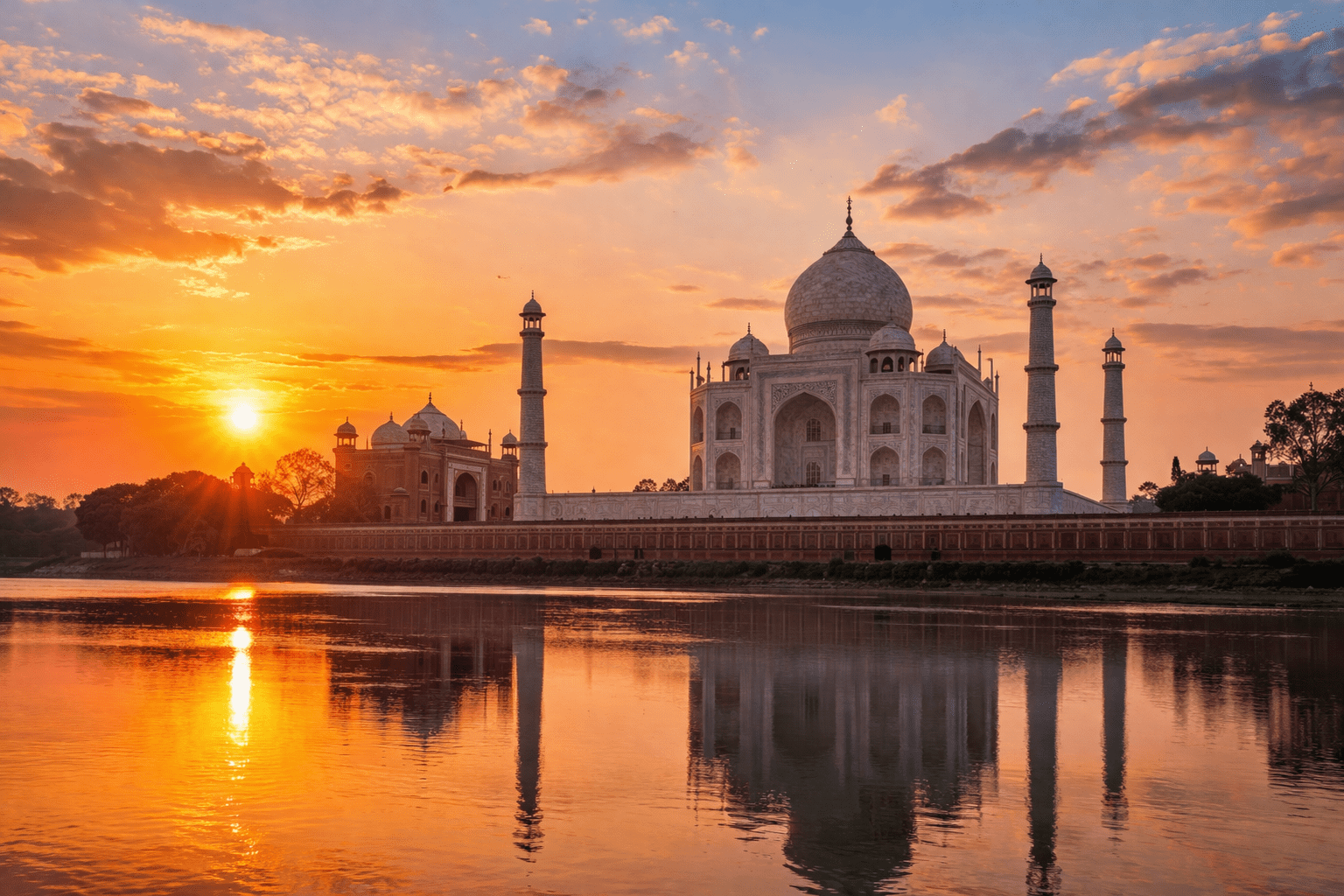
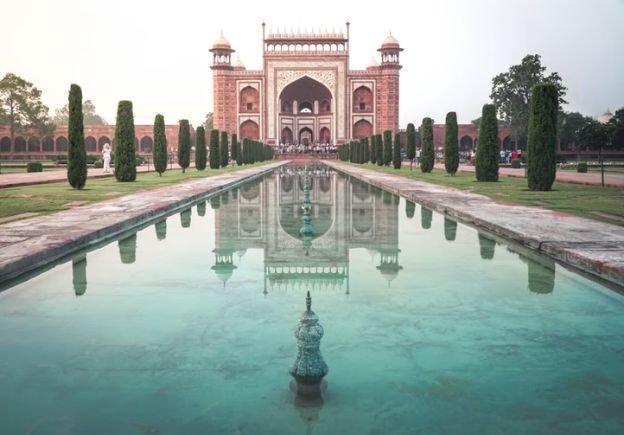
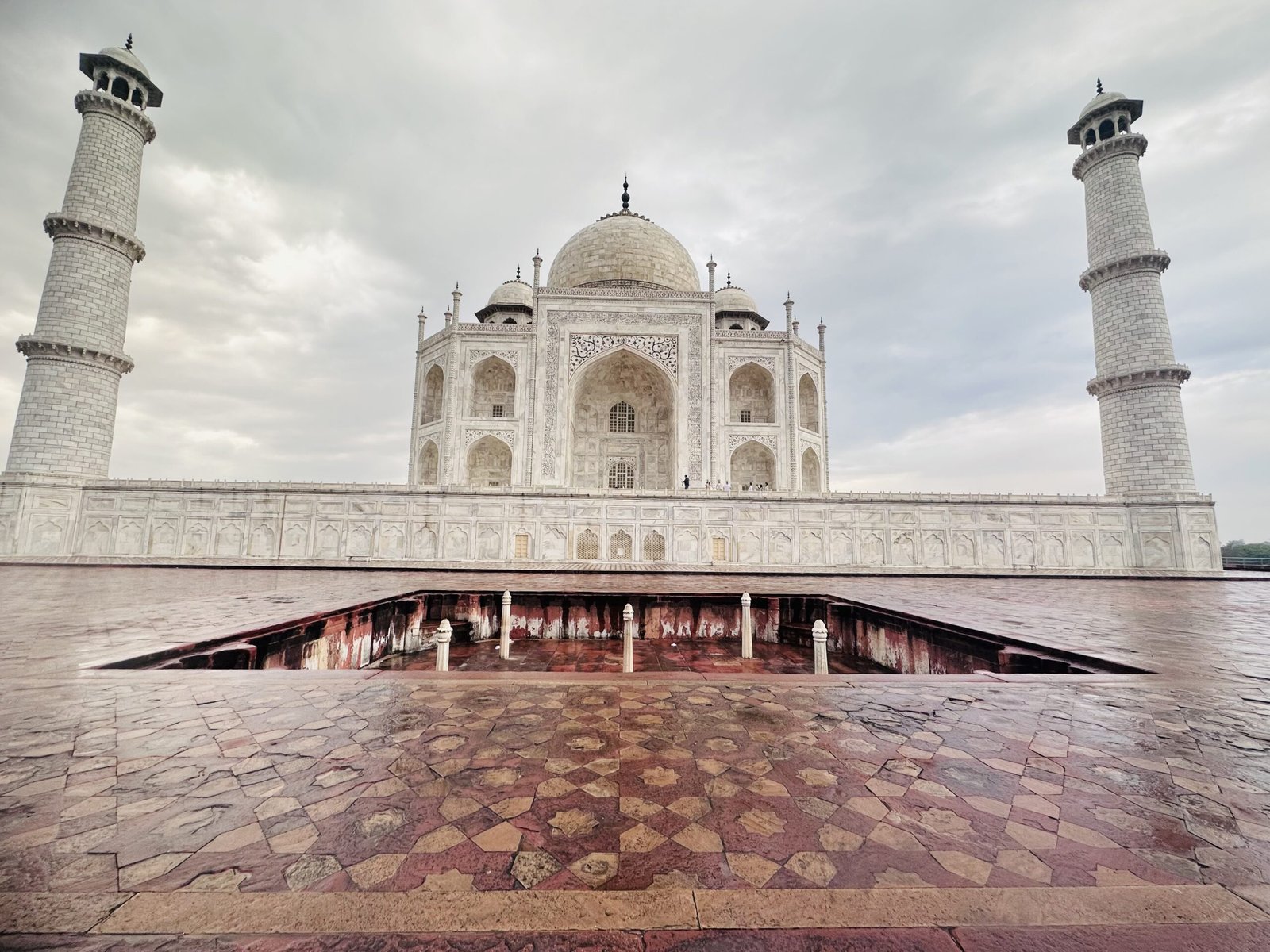
Taj Mahal at sunrise—a perfect complement to Varanasi's spiritual experience
Sample Itinerary: Golden Triangle with Varanasi
A typical Golden Triangle with Varanasi packages itinerary spans 7-9 days:
- Days 1-2: Delhi – Explore Red Fort, Qutub Minar, India Gate, Humayun's Tomb, and bustling markets
- Day 3: Agra – Visit the UNESCO-listed Taj Mahal, Agra Fort, and Mehtab Bagh at sunset
- Days 4-5: Jaipur – Discover Amber Fort, City Palace, Hawa Mahal, and Jantar Mantar observatory
- Days 6-7: Varanasi – Experience Ganga Aarti, boat ride at sunrise, Sarnath Buddhist site, and temple visits
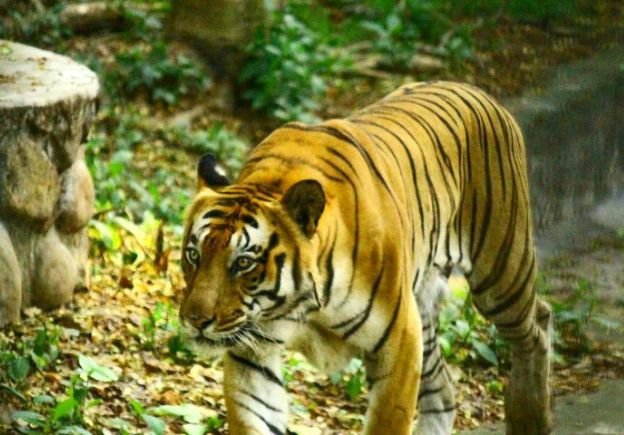
- Day 8: Optional Ranthambore – For wildlife enthusiasts, a Golden Triangle tour with Ranthambore extension adds tiger safaris
This combination allows you to witness India's architectural masterpieces—like the Taj Mahal, which symbolizes eternal love—alongside Varanasi's timeless spiritual practices. The contrast creates a more complete understanding of India's multifaceted cultural identity.
Transportation and Logistics
Most travelers opt for a Golden Triangle tour by car, which offers flexibility and comfort. From Agra to Varanasi, you have several options:
- Flight: The quickest option—fly from Delhi or Agra to Varanasi (1-1.5 hours)
- Train: Overnight trains from Agra/Delhi to Varanasi (10-14 hours)—an authentic Indian experience
- Car: Private car journey (approximately 10-12 hours)—comfortable but long
The Golden Triangle with Varanasi price varies significantly based on accommodation standards, transportation modes, and inclusions, typically ranging from $800-$2,500 per person for a week-long tour with mid-range accommodations.
When comparing Golden Triangle with Varanasi tour packages, verify what's included: internal flights/transfers, entrance fees, guided tours, meals, and hotel categories. Budget packages may exclude crucial elements that add significant costs later.
What to Expect During the Ganga Aarti Ceremony
The Sensory Experience
As evening approaches, the atmosphere at Dashashwamedh Ghat transforms. Vendors sell marigold garlands and small leaf boats with candles (diyas) that devotees float on the river as offerings. The crowd swells—locals, pilgrims, and tourists—all jostling for viewing positions. Music begins to play, tabla drums providing rhythm as the priests take their positions.
When the ceremony begins, the head priest blows a conch shell, its deep resonance cutting through the chatter. The priests light the massive brass lamps—each tier holding dozens of wicks—and begin the choreographed movements: sweeping the flames in circular motions, raising them high, lowering them toward the river, creating mesmerizing patterns of light against the darkening sky.
The sensory elements are overwhelming in the best way: the visual spectacle of synchronized fire movements, the auditory layers of bells, chanting, drums, and devotional songs, the aromatic blend of incense and flowers, the tactile crush of the crowd, and the emotional resonance of witnessing ancient traditions alive in the modern world.
Photography Tips
The Ganga Aarti presents both opportunities and challenges for photographers:
- Equipment: A camera or smartphone with good low-light performance; tripod if possible (though difficult in crowds)
- Settings: Higher ISO (1600-3200), slower shutter speed (1/60-1/125s), wide aperture (f/1.8-f/2.8)
- Positioning: Boat rides offer the best unobstructed angles; arrive early if shooting from the ghat
- Subjects: Capture the priests' synchronized movements, close-ups of lamp flames, crowd reactions, and wide establishing shots
- Golden Hour: The 20 minutes before the ceremony starts offers beautiful natural lighting transitions
Etiquette and Respectful Behavior
While the Ganga Aarti welcomes tourists, remember it's primarily a religious ceremony for devotees. Follow these guidelines:
- Dress modestly: Cover shoulders and knees; avoid revealing clothing
- Remove shoes: Many areas near the ceremonial platform require barefoot entry
- Maintain silence: Keep conversation minimal and respectful during the ceremony
- Ask permission: Before photographing individuals, especially priests or devotees in prayer
- Protect belongings: Pickpocketing can occur in dense crowds; secure valuables
- Decline aggressive vendors: Politely but firmly refuse unwanted services or overpriced offerings
Beyond the Ganga Aarti: Exploring Varanasi
Sunrise Boat Ride
While the evening Ganga Aarti is iconic, the sunrise boat ride is equally essential. As dawn breaks over the Ganges, you'll witness Varanasi awakening: pilgrims performing ritual bathing, yoga practitioners on the ghats, priests conducting private ceremonies, and the soft golden light painting the ancient architecture. This peaceful morning experience perfectly complements the evening's energetic ceremony.
Sarnath: Where Buddha First Taught
Located just 10 kilometers from Varanasi, Sarnath is where Buddha delivered his first sermon after attaining enlightenment. The archaeological site includes the Dhamek Stupa, ancient monastery ruins, an excellent museum, and modern temples built by Buddhist communities from around the world. It's a must-visit for anyone on a Golden Triangle spiritual tour.
Temple Visits and Silk Shopping
Varanasi boasts numerous significant temples, including Kashi Vishwanath Temple (dedicated to Lord Shiva), though non-Hindus cannot enter the main sanctum. The city is also renowned for Banarasi silk sarees and brocades—exquisite handwoven textiles that make meaningful souvenirs. Visit government emporiums for authentic products at fair prices.
Frequently Asked Questions
What time does the Ganga Aarti take place in Varanasi?
The main Ganga Aarti at Dashashwamedh Ghat takes place every evening at sunset, typically around 6:00-7:00 PM depending on the season. A morning aarti is also held at 5:00-6:00 AM at Assi Ghat. Timings vary slightly with seasonal sunset times.
How much does it cost to watch the Ganga Aarti?
Watching the Ganga Aarti from the ghats is completely free. However, boat rides for better views cost ₹200-500 per person, and reserved seating areas charge ₹300-1,000 depending on location and amenities.
Can I combine Varanasi with the Golden Triangle tour?
Absolutely! Many travelers extend their Golden Triangle tour (Delhi-Agra-Jaipur) to include Varanasi, creating a comprehensive Golden Triangle spiritual tour. This typically adds 2-3 days to your itinerary and provides a perfect blend of monuments and spirituality.
What should I wear to the Ganga Aarti ceremony?
Dress modestly and respectfully. Comfortable, conservative clothing is recommended—long pants or skirts, and covered shoulders. Avoid shorts and sleeveless tops. Bring a light shawl for the evening as it can get cool near the river.
Is it safe to visit Varanasi as a solo traveler or woman?
Varanasi is generally safe for tourists, including solo travelers and women, especially in tourist areas and during daylight hours. Exercise standard precautions: avoid isolated areas at night, use reputable transport, keep valuables secure, and dress conservatively. Hiring a local guide adds both safety and cultural insight.
How many days should I spend in Varanasi?
A minimum of 2 full days allows you to experience the evening Ganga Aarti, sunrise boat ride, temple visits, and a day trip to Sarnath. Three days provide a more relaxed pace to explore the city's lanes, silk markets, and spiritual atmosphere without rushing.
Key Takeaways for Your Varanasi Ganga Aarti Experience
- Arrive 60-90 minutes early to secure good viewing positions at Dashashwamedh Ghat
- Book a boat ride (₹200-500) for the best photographic opportunities and unobstructed views
- Visit during October-March for the most comfortable weather conditions
- Dress modestly and respectfully—cover shoulders and knees
- Don't miss the sunrise boat ride the following morning for a complete Varanasi experience
- Combine Varanasi with a Golden Triangle tour for a balanced monuments-and-spirituality journey
- Secure valuables and be aware of pickpockets in dense crowds
- Consider visiting Sarnath for Buddhist historical significance
- Budget approximately ₹500-1,500 per person for a complete evening experience including boat ride and offerings
- Book accommodation near the ghats for easy access and authentic atmosphere
Final Thoughts: Why the Ganga Aarti Matters
In an era of increasing globalization and modernization, the Ganga Aarti stands as a powerful testament to cultural continuity. It's not a performance staged for tourists—it's a living tradition that would occur with or without outside observers. The ceremony connects contemporary India to its ancient spiritual roots, creating a tangible link across millennia.
For international travelers, witnessing the Ganga Aarti provides something increasingly rare in modern tourism: genuine cultural authenticity. Unlike many "traditional" experiences manufactured for tourist consumption, this ceremony remains fundamentally unchanged in its spiritual intent, even as its scale has grown. The priests aren't actors; the devotees aren't extras; the emotions aren't fabricated. You're witnessing real faith in action.
Whether you're embarking on a Golden Triangle tour by car, exploring a Golden Triangle with Rajasthan tour, or specifically planning a Golden Triangle spiritual tour, adding Varanasi—and specifically the Ganga Aarti—transforms your journey from a monument checklist into a profound cultural immersion. The Taj Mahal may take your breath away with its architectural perfection, but the Ganga Aarti will touch something deeper: your understanding of devotion, tradition, and the human need for ritual and transcendence.
The ceremony lasts only 45 minutes, but its impact can resonate for a lifetime. In those brief moments, as fire dances against the darkness and ancient chants echo across the sacred waters, you become part of a tradition stretching back thousands of years—a participant, however briefly, in India's eternal spiritual journey.
Ready to Experience the Magic of Varanasi?
Let us craft your perfect Golden Triangle spiritual tour combining India's iconic monuments with Varanasi's profound spiritual experiences. Our expertly designed itineraries ensure you don't just see India—you feel it.
Plan Your Journey Today