From the timeless ghats of Varanasi to the absolute tranquility of Kainchi Dham Ashram, discover how a spiritual tour of India has the power to eternally transform your perspective, heal your mind, and awaken your soul.
To answer your primary question right away: The ultimate spiritual tour of india requires at least 10–14 days, carefully balancing intense cultural immersion in ancient cities like Varanasi with quiet, reflective sanctuary visits like the renowned Kainchi Dham Ashram. Proper planning is everything.
There is a profound reason why seekers, philosophers, and travelers have gravitated toward the Indian subcontinent for thousands of years. India does not just offer picturesque landscapes or historical monuments; it offers an immersive dialogue with the divine. Navigating the depths of a spiritual journey in India is akin to stepping into a living, breathing tapestry of ancient philosophies, sacred rituals, and boundless inner discovery.
It is often said that while other countries appeal to the senses, India appeals directly to the soul. As the undisputed birthplace of Hinduism, Buddhism, Jainism, and Sikhism, spirituality here is not a sunday-morning activity—it is the bedrock of daily existence. It bleeds into the way food is prepared, into the architecture of massive forts, and into the simple greetings exchanged by strangers on the street.
When foreign travelers embark on a spiritual journey, they quickly realize that enlightenment in India is not hidden exclusively on silent mountaintops. It is found in the cacophony of a bazaar, the chanting echoing from a 12th-century temple, and the intricate symmetry of iconic monuments. By leaning on carefully vetted india spiritual tour packages, international travelers can safely bridge the gap between their familiar Western comforts and the raw, unfiltered intensity of Eastern mysticism.
To the uninitiated, the choices can be staggering. Do you pursue Bhakti (devotion), Jnana (knowledge), Karma (action), or Raja (meditative) disciplines? A thoughtfully designed yoga and meditation tour of India allows you to sample from this vast buffet of practices without feeling overwhelmed.
The global phenomenon of Yoga, recognized internationally, has its absolute roots deep within the Indian ethos. While boutique studios in New York or London offer excellent physical fitness, practicing asanas and focused mindfulness in India transcends physical exercise—it is a complete re-alignment of the mind and spirit.
Ashram life is highly disciplined. Expect to wake at 4:30 AM, eat simple vegetarian ('Sattvic') meals in silence, and dedicate several hours a day strictly to meditation, chanting, and karmic service (Seva). Prices range from a nominal $5/day donation to $150+/day for luxury wellness retreats. We highly recommend booking curated spiritual tour packages to ensure your ashram aligns with your comfort levels.
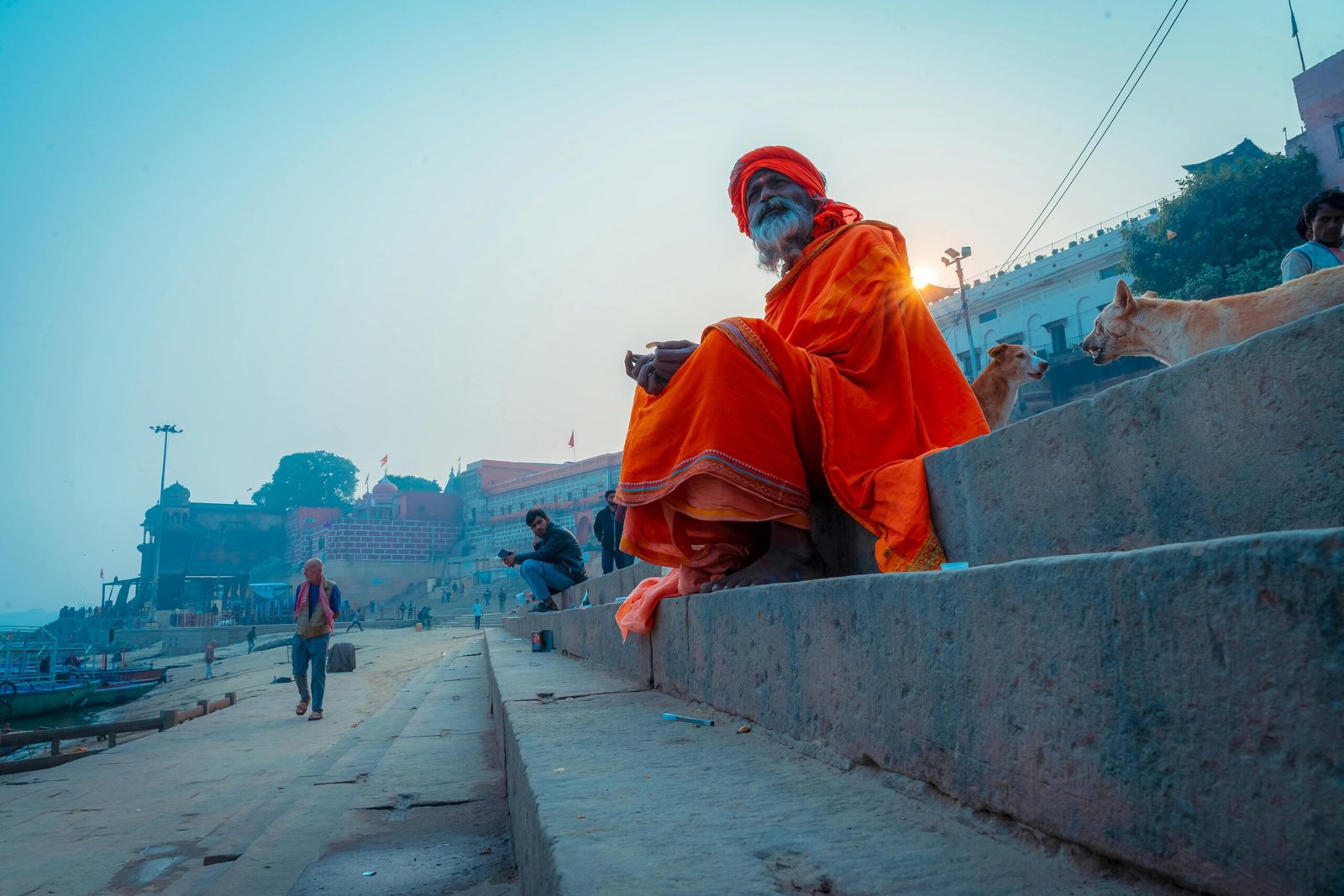
Older than history, older than tradition, naturally older even than legend. Mark Twain was not exaggerating when he described Varanasi. Situated on the crescent-shaped banks of the sacred river Ganges, this city is the spiritual heart of Hinduism. Pilgrims come here to wash away a lifetime of sins, and many elderly Hindus travel to Varanasi to spend their final days, believing that dying here offers 'Moksha'—liberation from the endless cycle of rebirth.
No trip is complete without witnessing the famous Ganga Aarti at Dashashwamedh Ghat. Every evening at dusk, young priests clad in saffron silk perform a highly choreographed ritual of fire, chanting, and brass bells. The visual is mesmerizing. As darkness falls, hundreds of oil lamps (diyas) adorned with marigolds are set afloat on the black waters of the Ganges, carrying the prayers of the faithful.
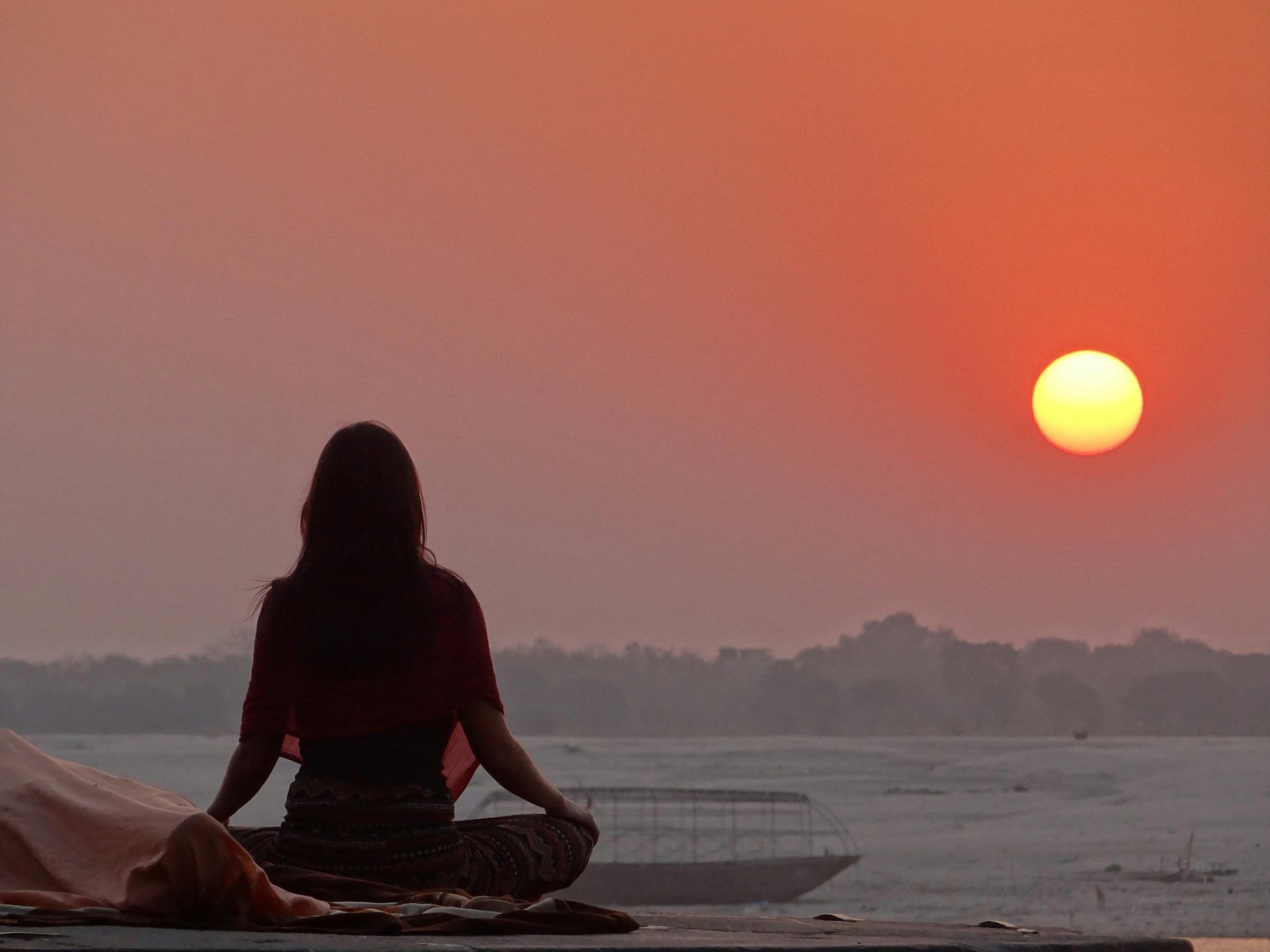
Morning meditation by the Ganges in Varanasi
Tucked away in the serene Kumaon Hills of Uttarakhand, surrounded by lush green forests and the gentle flow of the Shipra River, lies Kainchi Dham Ashram. This spiritual center is dedicated to the legendary saint Shri Neem Karoli Baba (affectionately known as Maharaj-ji), a master of Bhakti Yoga whose message was beautifully simple: "Love everyone, serve everyone, remember God, and tell the truth."
For decades, this unassuming mountain ashram has acted as a powerful spiritual magnet for seekers worldwide. Its transformative energy is so profound that tech visionaries like Steve Jobs and Mark Zuckerberg famously made pilgrimages here seeking clarity and inspiration before changing the world. The ashram remains deeply authentic; visitors partake in chanting the Hanuman Chalisa, meditating in complete silence, and experiencing the incredible warmth of the local community.
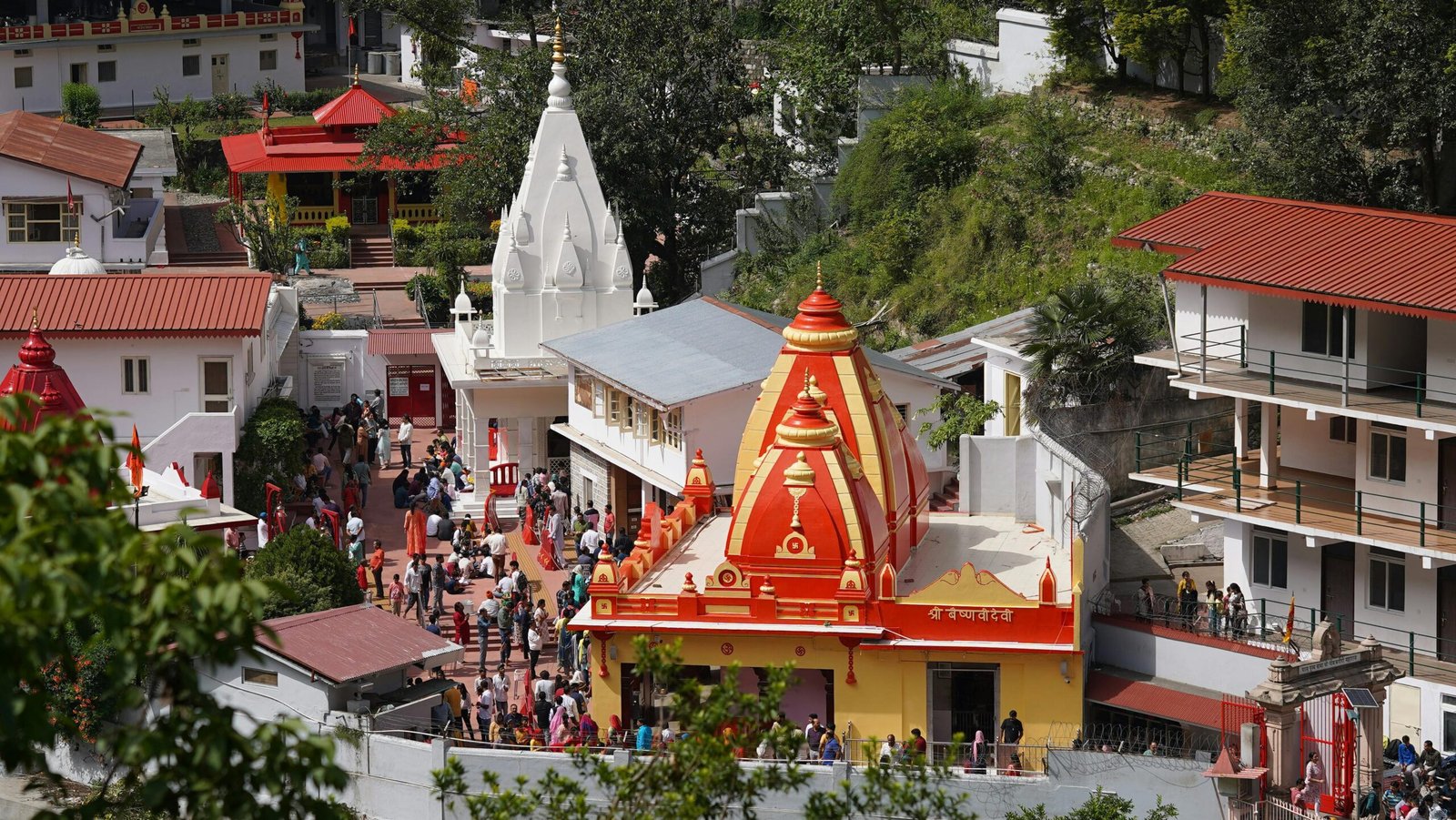
neeb kroli baba kainchi ashram temple
For those drawn to the tranquil, minimalist paths of mindfulness and meditation, Bodh Gaya in the state of Bihar is the epicenter. Under the sprawling branches of the ancient Bodhi Tree (a direct descendant of the original under which Prince Siddhartha Gautama achieved enlightenment over 2,500 years ago), you will find monks in maroon and saffron robes deep in meditation. The Mahabodhi Temple, a UNESCO World Heritage site, emanates a profound, heavy silence that stands in stark contrast to the lively Hindu centers.
Spirituality is not just silent meditation; it is also active service to humanity. To understand the Sikh faith, one must travel to Punjab to witness the magnificent Harmandir Sahib, or Golden Temple. Covered in real gold leaf, the temple sits serenely in the middle of a massive holy pool (Amrit Sarovar).
What truly shakes the soul here is the Langar—a massive, volunteer-run community kitchen that feeds upward of 100,000 people every single day, entirely for free, regardless of religion, caste, or nationality. Sitting cross-legged on the floor, sharing a simple meal of dal and roti with strangers from all walks of life, is a profoundly humbling spiritual act.
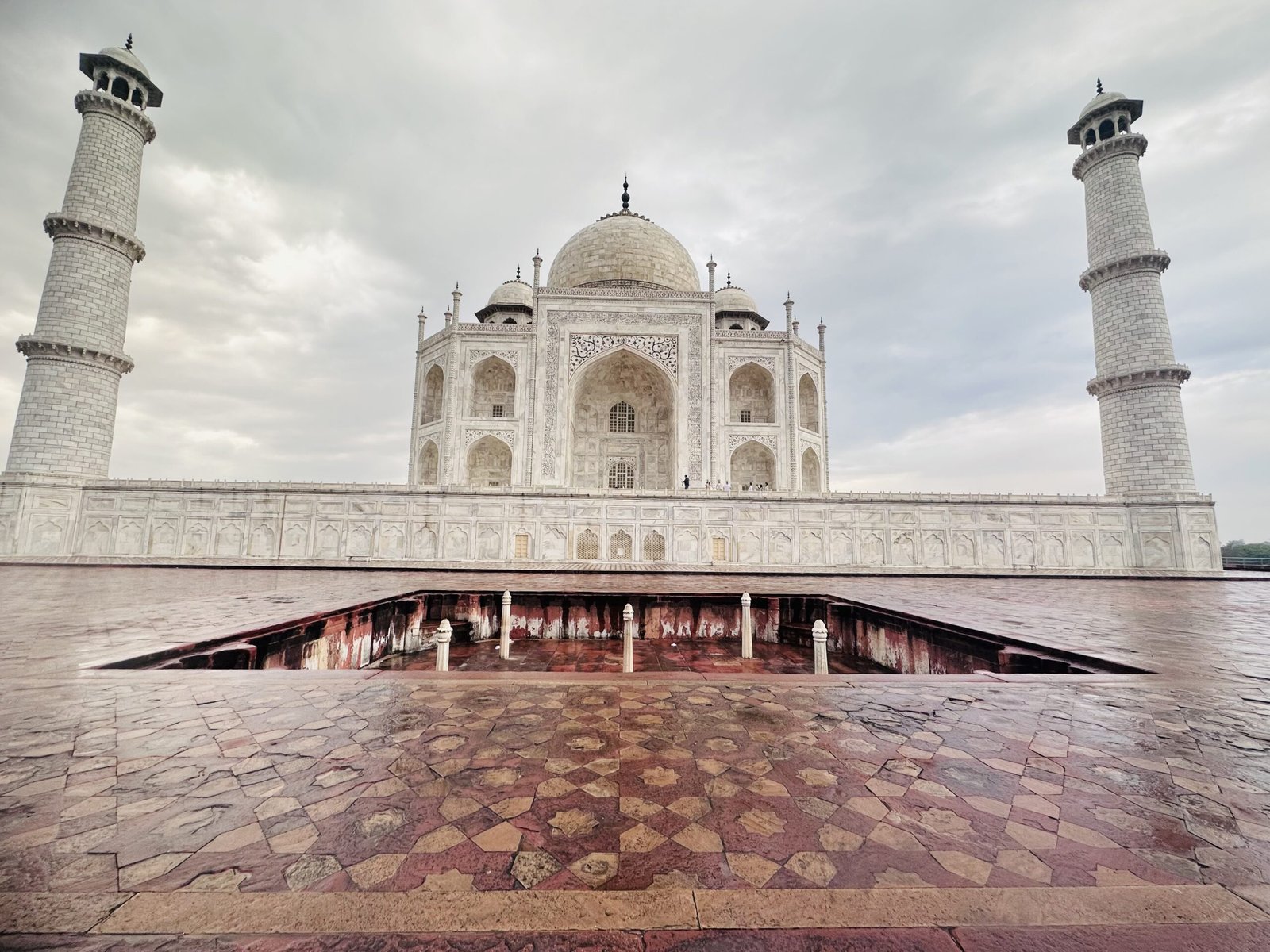
While often categorized purely as a monument of love, the Taj Mahal is also a deeply spiritual masterpiece of Islamic architecture. It was designed to represent the heavenly gardens of Paradise itself. When you pass through the dark red sandstone of the colossal main gateway, your first view of the brilliant white marble mausoleum is intentionally designed to evoke awe and a sense of divine scale.
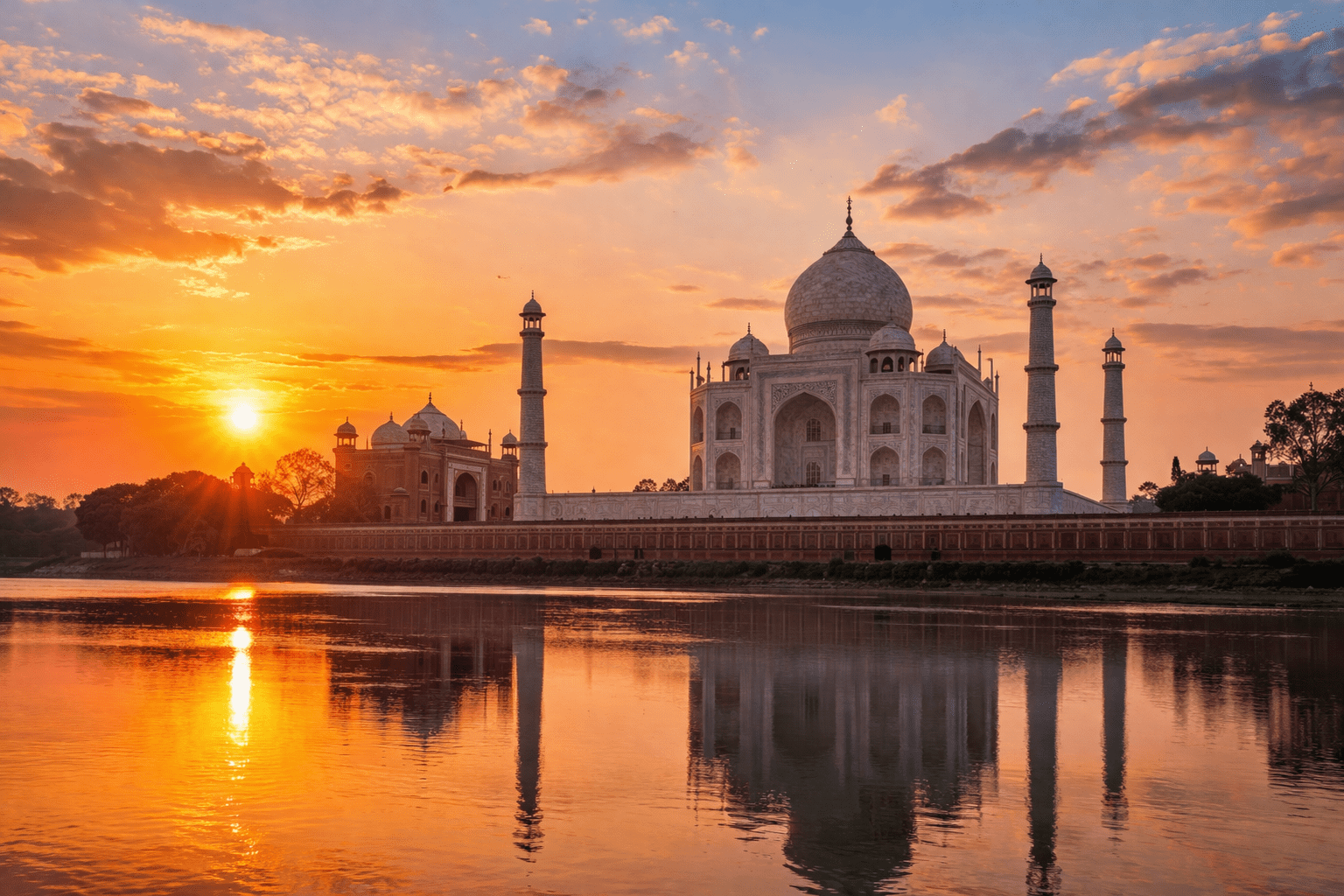
Taj Mahal at sunrise
Every element is balanced with terrifying precision. The calligraphy framing the arches consists of chapters (Surahs) from the Quran, gently increasing in size as they go further up the walls to appear perfectly uniform from the perspective of a person standing below. Before modifying your itinerary, we advise reading up on authoritative UNESCO Taj Mahal facts to truly grasp the historical and cultural magnitude of this site.
To the first-time visitor, India can be an assault on the senses. Maintaining your peace of mind requires excellent planning. Here is grounded, experienced advice for your journey:
The spiritual tourism sector does attract opportunists. Be wary of unauthorized "holy men" offering unsolicited blessings at ghats and temples, immediately followed by aggressive demands for large sums of cash (claimed to be for charity). Always politely but firmly decline. When you choose to offer donations, do so only in official temple boxes or to registered ashram offices.
Understanding budgets is crucial. Below is an approximation based on current market rates. Keep in mind that when you customize your india tour with professionals, logistics are handled seamlessly, allowing you to focus purely on the experience.
| Travel Style | Est. Daily Cost (USD) | Accommodation Type | Best Suited For |
|---|---|---|---|
| Pilgrim Backpacker | $30 - $50 | Basic ashrams, hostels, sleeper trains. | Seasoned travelers seeking ascetic lifestyles. |
| Comfort & Culture | $120 - $200 | Boutique heritage hotels, domestic flights, AC cars. | First-timers wanting a balanced spiritual tour of india. |
| Luxury Wellness | $350 - $800+ | 5-star Ayurvedic spa resorts, private guides. | Those seeking elite rejuvenation and deep relaxation. |
For a fulfilling spiritual journey in India, a minimum of 10 to 14 days is recommended. This allows you to comfortably explore major hubs like Varanasi, Kainchi Dham Ashram, and Amritsar without succumbing to travel fatigue. Rushing counteracts the very essence of a spiritual retreat.
Yes, absolutely, but standard safety precautions are essential. Dress modestly by covering shoulders, cleavage, and knees. Avoid wandering in isolated areas at night, and opt for reputed, well-reviewed India spiritual tour packages. Traveling with a vetted guide significantly enhances both safety and cultural understanding.
The ideal window is between October and March. During these months, the intense summer heat and torrential monsoon rains have passed. The climate is cool, dry, and incredibly pleasant, making early morning meditations outdoors and long temple explorations comfortable.
A true spiritual journey requires courage. It requires the willingness to step away from the noise of modern life and confront the ultimate questions of existence. India offers no simple answers, but it profoundly changes the way you ask the questions. From the chanting on the banks of the Ganges to the silent grandeur of the Taj Mahal, the subcontinent offers a mirror to the soul. Whether you seek the quiet contemplation modeled at Kainchi Dham Ashram or simply to witness the sheer devotion of billions, the path awaits.
The most important step of the journey is the first one. Stop dreaming about enlightenment and begin walking toward it.
Don't leave the most transformative journey of your life to chance. Let our experts craft an itinerary customized exactly to your spiritual curiosities, budget, and comfort level.
Plan Your Spiritual Tour Today