
Golden Triangle India Tour Itinerary:
The Ultimate Guide for First-Time American Visitors (2025–2026)
Delhi. Agra. Jaipur. Three cities. Centuries of history. One unforgettable loop through the soul of North India.
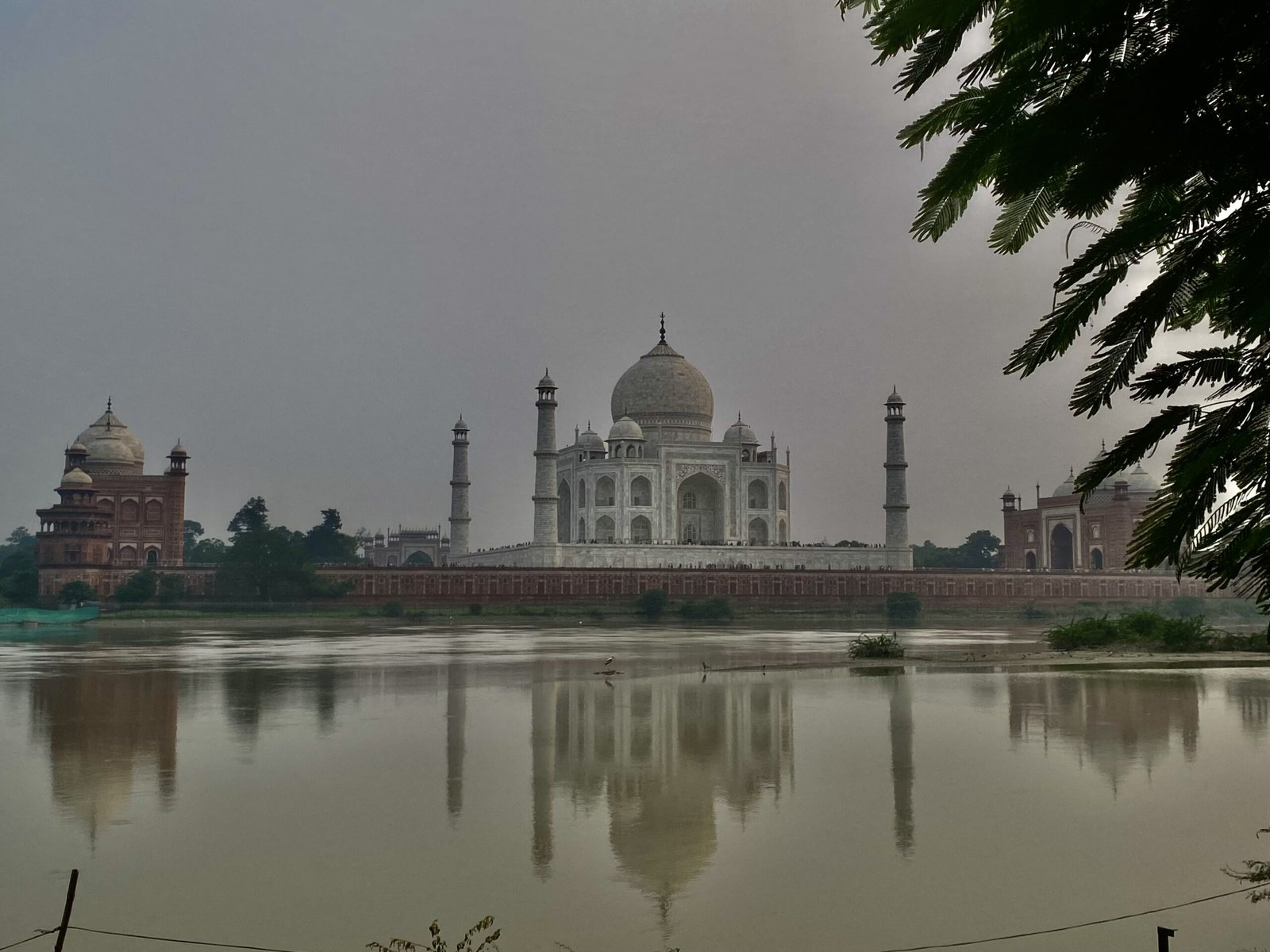
The Taj Mahal reflected on the Yamuna River — the defining image of the Golden Triangle India tour.
You step off the plane at Indira Gandhi International Airport. The air smells different — rich, layered, alive. Outside the terminal doors, the city roars. A million sounds, colours, and smells collide at once. You weren't ready. No one ever is.
And that's exactly why the Golden Triangle India tour itinerary exists. It was built for you — the first-timer, the wide-eyed dreamer, the American who has seen a hundred documentaries but knows nothing prepares you for the real thing. Three cities. Centuries of history. One unforgettable loop through the soul of North India.
What Is the Golden Triangle India Tour?
The Golden Triangle India tour is India's most popular tourist circuit, connecting three iconic cities — Delhi, Agra, and Jaipur — in a roughly triangular route across North India. Covering approximately 450–500 miles, it includes the Taj Mahal, Mughal forts, royal Rajput palaces, and ancient bazaars. Most first-time visitors complete it in 5 to 7 days.
| City | What It Represents | Distance to Next City |
|---|---|---|
| Delhi | India's political and historical capital | ~220 km to Agra |
| Agra | Mughal heartland, home of the Taj Mahal | ~240 km to Jaipur |
| Jaipur | The Pink City, royal capital of Rajasthan | ~280 km back to Delhi |
Each city tells a different chapter of India's story. Delhi is the empire. Agra is the monument. Jaipur is the legend. For Americans, this route works especially well because all international flights land in Delhi, English is widely spoken at hotels and monuments, and you can complete it comfortably in a standard 7–10 day vacation window.
A Brief History: Why These Three Cities?
Delhi — Seven Cities in One
Delhi has been destroyed and rebuilt seven times. Ruled by Hindus, Mughals, and the British, today it holds them all simultaneously. Qutb Minar — India's tallest ancient minaret at 73 metres — was built in 1193. The Red Fort, completed in 1648, served as the seat of Mughal power for nearly 200 years. Walk through Chandni Chowk and you're walking through one of Asia's oldest continuously operating bazaars, established in the 1650s by Emperor Shah Jahan himself.
What most blogs won't tell you: Old Delhi and New Delhi feel like two different countries. New Delhi is wide boulevards and colonial grandeur. Old Delhi is medieval lanes, spice mountains, and chai that costs 10 rupees. Both are essential.
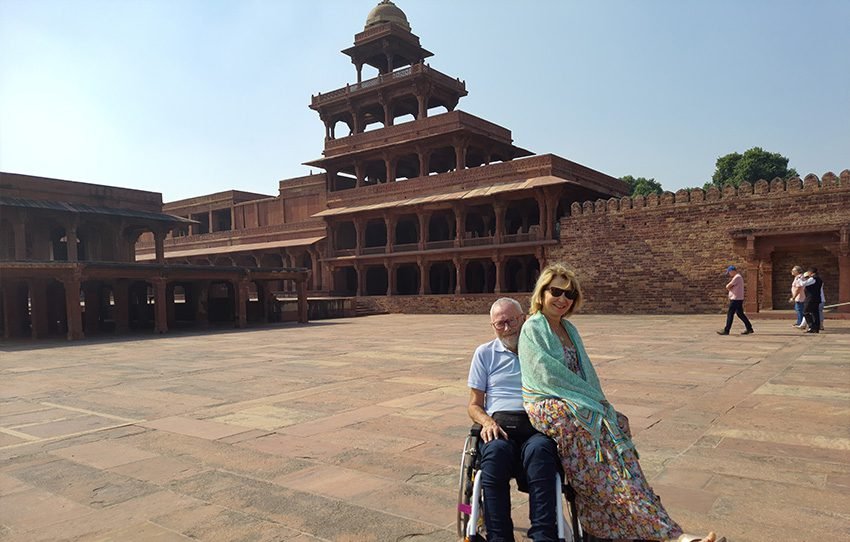
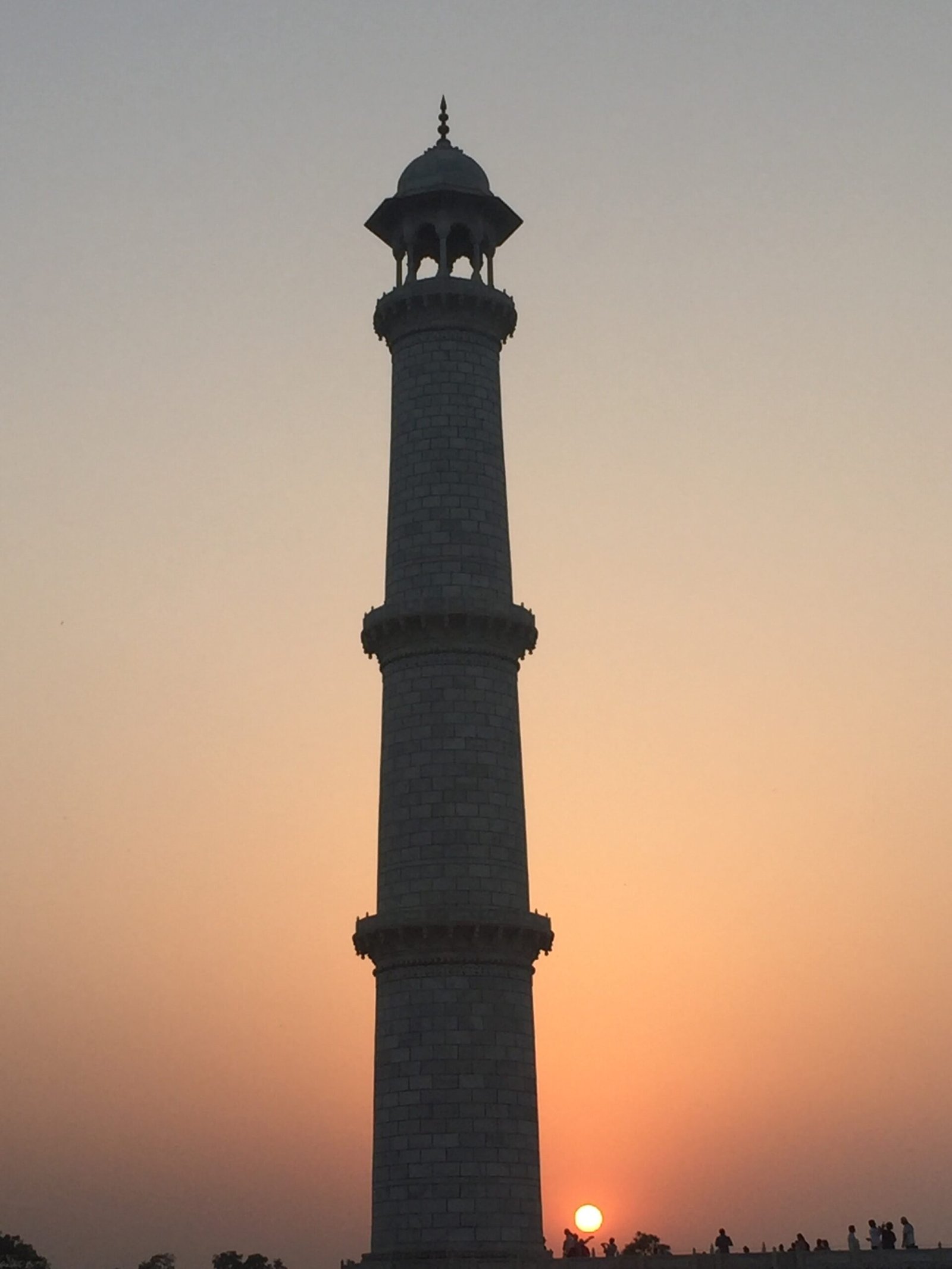
Left: Guests exploring Agra Fort with a licensed guide. Right: Qutub Minar at golden hour, Delhi.
Agra — The City Built Around a Dream
In 1631, Shah Jahan's beloved wife Mumtaz Mahal died in childbirth — their 14th child. Devastated, the emperor commissioned what would become the Taj Mahal: a tomb of pure white marble inlaid with 28 types of precious stones, built by 20,000 artisans over 22 years. The Taj was completed in 1653. Shah Jahan was later imprisoned by his own son — locked in Agra Fort, where he spent his final years gazing at the Taj across the Yamuna River. Few love stories in human history have been told in marble. This one was.
The Taj Mahal is one of those rare monuments that exceeds expectations in person. Go at sunrise. Allow 2–3 hours. Walk close to the walls to see the inlay work. You will not be disappointed.
Jaipur — The Pink City of Kings
Jaipur was founded in 1727 by Maharaja Jai Singh II — a king who was also an astronomer. He built Jantar Mantar, a series of massive stone astronomical instruments still accurate to within seconds today. In 1876, the entire city was painted pink to welcome the Prince of Wales. Today, by law, all buildings in the old city must remain pink. The Amber Fort — dating to 1592 — has been a UNESCO World Heritage Site since 2013.
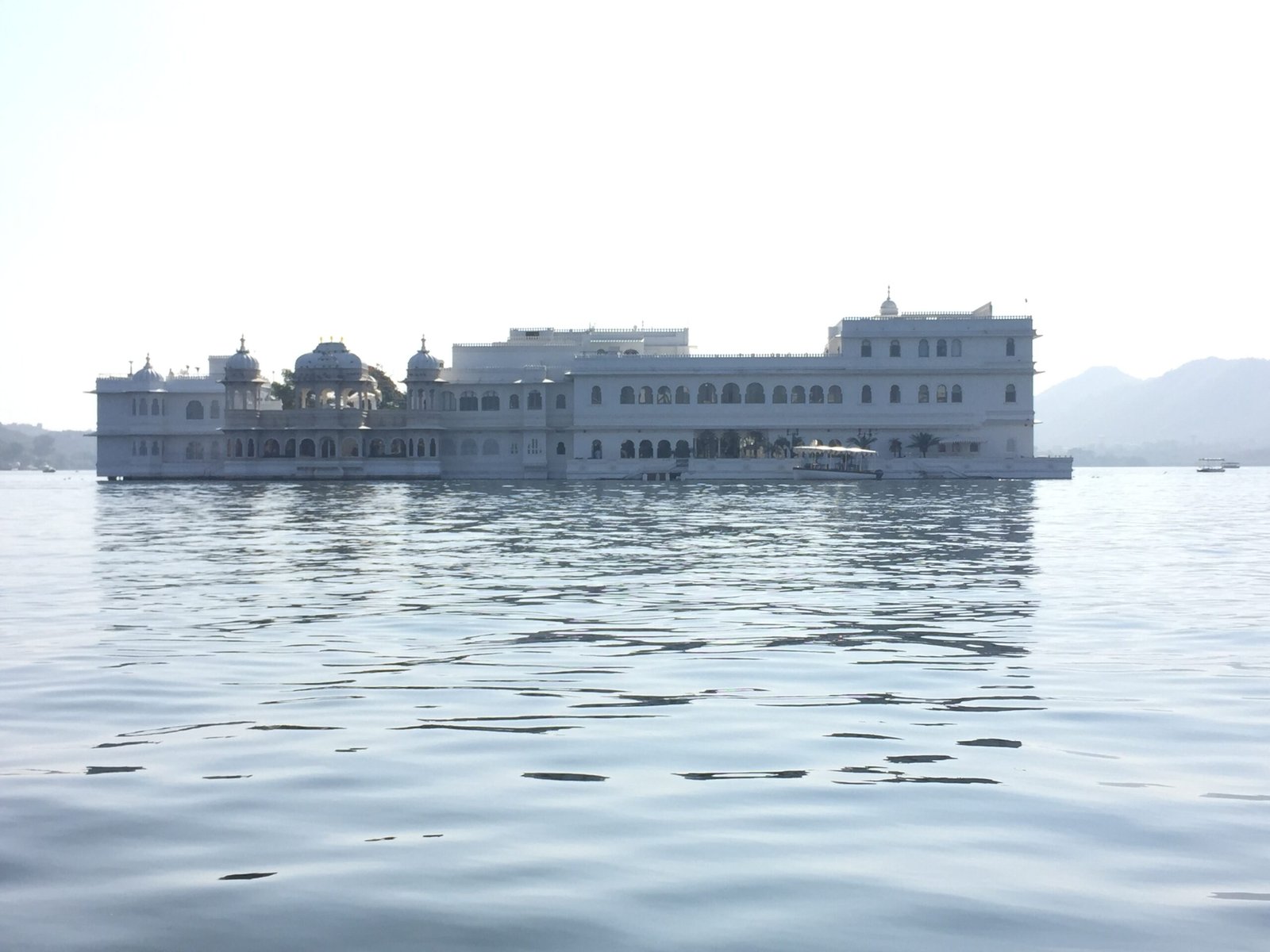
Jal Mahal — the Water Palace — floating in Man Sagar Lake at dusk, Jaipur.
The Human Story: What Google Won't Tell You
At the Taj Mahal, most tourists rush through the main gate and snap the famous reflection photo. What they miss: the intricate pietra dura stonework where craftsmen inlaid floral patterns using lapis lazuli, jade, and turquoise, each piece smaller than your fingernail. Stand close. Look at the walls, not just the dome.
Also at the Taj: The Taj Mahal is closed every Friday for prayers. Every year, hundreds of tourists arrive to find the gates shut. Don't be one of them.
In Agra Fort, most visitors overlook the Musamman Burj — the octagonal tower where Shah Jahan spent his final eight years as a prisoner. From this tower, he could see the Taj Mahal in the distance. Most people walk past it.
In Delhi's Chandni Chowk, the Paranthe Wali Gali (Lane of Fried Breads) has been serving the same parathas since the 1870s. You will eat the best breakfast of your life for less than $2.
Fatehpur Sikri: Most people drive past it between Agra and Jaipur. This was once Akbar's capital — an entire Mughal city abandoned after just 14 years. Today it stands nearly intact and almost empty. Don't skip it.
Why the Golden Triangle Matters Today
Within this route, you'll find 8 UNESCO World Heritage Sites including the Taj Mahal (1983), Agra Fort (1983), Fatehpur Sikri (1986), Qutb Minar (1993), Humayun's Tomb (1993), Jantar Mantar Jaipur (2010), Red Fort (2007), and the Hill Forts of Rajasthan including Amber Fort (2013). The corridor receives over 3 million foreign visitors annually and is recognised by both the Archaeological Survey of India and UNESCO World Heritage.
How to Plan Your Golden Triangle India Tour Itinerary
How to Reach India from the USA
Most American travellers fly into Indira Gandhi International Airport (DEL) in New Delhi. Major carriers include Air India, United, and Emirates/Etihad through Gulf hubs.
- New York (JFK) → Delhi: ~15–16 hours direct, or 18–22 hours with one stop
- Los Angeles (LAX) → Delhi: ~17 hours direct
- Pro tip: Fly overnight, arrive Delhi morning. Push through Day 1 sightseeing — it helps reset your clock faster.
Visa Requirements for American Travellers
American citizens can apply for an India e-Tourist Visa entirely online — no embassy visit required.
| e-Visa Type | Validity | Entries |
|---|---|---|
| e-Tourist 30-day | 30 days from arrival | Double |
| e-Tourist 1-year | 1 year from issue | Multiple |
| e-Tourist 5-year | 5 years from issue | Multiple |
Apply at the official portal only: indianvisaonline.gov.in — at least 4–7 days before travel. Print your ETA and carry it on arrival. ⚠️ Beware of fake third-party sites charging inflated fees.
Ideal Duration: 5, 6, or 7 Days?
| Duration | Who It's For | What You Get |
|---|---|---|
| 5 Days | Time-crunched travellers | Major monuments only, fast pace |
| 6 Days | Most first-timers | Balanced sightseeing + cultural moments |
| 7 Days | Immersive seekers | Deeper visits, local experiences, rest days |
Golden Triangle India Tour Itinerary: 5 Days
Arrive Delhi
Land at IGI Airport. Transfer to hotel. Rest, freshen up. Evening walk in Connaught Place or Lodhi Colony for dinner.
Delhi Sightseeing
Morning: Old Delhi — Red Fort, Jama Masjid, Chandni Chowk by rickshaw, spice market. Afternoon: New Delhi — India Gate, Humayun's Tomb, Qutb Minar, Lotus Temple.
Delhi to Agra
Morning: Depart for Agra (~3.5 hours by Yamuna Expressway or Gatimaan Express train). Evening: Sunset view of Taj Mahal from Mehtab Bagh across the river.
Agra to Jaipur
Sunrise: Taj Mahal at dawn (book tickets in advance — foreigners pay ~$15 USD). Mid-morning: Agra Fort. Stop: Fatehpur Sikri en route to Jaipur. Evening: Arrive Jaipur.
Jaipur and Departure
Morning: Amber Fort, Jal Mahal (view from road). Late morning: City Palace, Hawa Mahal, Jantar Mantar. Afternoon: Drive or fly back to Delhi for international departure.
Golden Triangle India Tour Itinerary: 6 Days (Most Popular)
Arrive Delhi / Rest
Airport transfer, hotel check-in, light evening stroll. No rushed sightseeing.
Old Delhi
Chandni Chowk rickshaw ride, Jama Masjid, Red Fort, Raj Ghat (Gandhi memorial), Akshardham Temple evening light show.
New Delhi
India Gate, President's House drive-by, Humayun's Tomb, Qutb Minar, Lodhi Garden, evening at Hauz Khas Village.
Delhi to Agra
Morning train or car to Agra. Agra Fort in afternoon. Sunset at Mehtab Bagh for Taj view. Mughlai dinner in Agra.
Agra to Jaipur
Sunrise Taj Mahal visit. Itmad-ud-Daulah (Baby Taj — far less crowded, equally stunning). Drive to Jaipur via Fatehpur Sikri.
Jaipur
Morning: Amber Fort, Jal Mahal. Afternoon: City Palace, Jantar Mantar, Hawa Mahal, Johari Bazaar shopping. Evening: Drive or fly back to Delhi for international connection.
Golden Triangle India Tour Itinerary: 7 Days (Best for First-Timers)
Same structure as 6 days but with a full second day in Jaipur: Nahargarh Fort (sunset views over the city), Albert Hall Museum, Chokhi Dhani cultural evening — plus more breathing room between monuments and time for a cooking class, block printing workshop, or heritage walk.
Best Time to Visit the Golden Triangle
| Season | Months | What to Expect | Verdict |
|---|---|---|---|
| Peak / Best | October–March | Cool days, clear skies, festive atmosphere | ✅ Ideal |
| Shoulder | Sept, early April | Slightly warm, fewer crowds | ✅ Good |
| Summer | April–June | 40–45°C (104–113°F), very harsh | ⚠️ Avoid if possible |
| Monsoon | July–September | Heavy rains, lush green, low crowds | ⚠️ Manageable with planning |
Best months for Americans: October, November, February, and March offer the most comfortable conditions. Hidden tip: Diwali (Oct/Nov) and Holi (March) transform Delhi and Jaipur into spectacles of light and colour. Book accommodation 6+ months ahead — prices surge and rooms vanish.
Best time of day at each monument:
- Taj Mahal: Sunrise (gates open 6 AM) — soft pink light on white marble, thin crowds
- Amber Fort: 9–11 AM before midday heat
- Red Fort: Morning or late afternoon
- Qutb Minar: Any time, but early morning is peaceful
What You Will Experience: Key Attractions
Delhi
- Red Fort (Lal Qila) — Massive 17th-century Mughal fortification in Old Delhi
- Jama Masjid — India's largest mosque, capacity 25,000 worshippers
- Qutb Minar — India's tallest ancient minaret (73m), oldest mosque in India
- Humayun's Tomb — The architectural inspiration for the Taj Mahal (UNESCO)
- Chandni Chowk — One of Asia's oldest markets; spices, street food, chaos, magic
- India Gate — Delhi's war memorial; evenings are spectacular
Agra
- Taj Mahal — One of the Seven Wonders of the World (UNESCO)
- Agra Fort — Red sandstone fortress where Mughal emperors lived and died (UNESCO)
- Itmad-ud-Daulah — The "Baby Taj," predates the Taj and is far less crowded
- Mehtab Bagh — Moonlit garden across the river; best sunset Taj view in existence
- Fatehpur Sikri — Abandoned Mughal capital, 40km from Agra (UNESCO)
Jaipur
- Amber Fort — Hilltop Rajput fortress with mirror-inlaid Sheesh Mahal (UNESCO)
- City Palace — Still home to Jaipur's royal family; part open to public
- Jantar Mantar — 18th-century astronomical observatory (UNESCO)
- Hawa Mahal — The 953-windowed Palace of Winds, Jaipur's iconic facade
- Nahargarh Fort — Overlooking the city; best sunset point in Jaipur
- Jal Mahal — "Water Palace" floating in Man Sagar Lake; exterior view only
Travel Tips for American Visitors
Entry Fees (2025, Approximate in USD)
| Monument | Indian Citizen | Foreign National |
|---|---|---|
| Taj Mahal | ~$0.25 | ~$15 |
| Agra Fort | ~$0.50 | ~$7.50 |
| Red Fort Delhi | ~$0.50 | ~$7.50 |
| Qutb Minar | ~$0.25 | ~$5 |
| Amber Fort | ~$1 | ~$7 |
| City Palace Jaipur | ~$1 | ~$12 |
| Fatehpur Sikri | ~$0.25 | ~$5 |
Tip: Carry cash in Indian Rupees. Many monument ticket counters do not accept foreign cards.
Monument Timings
- Taj Mahal: Sunrise to sunset, every day except Friday
- Agra Fort: Sunrise to sunset, daily
- Red Fort: Tuesday–Sunday, 9:30 AM – 4:30 PM
- Amber Fort: Daily, 8 AM – 5:30 PM (light show evenings)
- Hawa Mahal: Daily, 9 AM – 5 PM
What to Carry Every Day
- Cash in Rupees (notify your US bank before travel)
- Scarf or shawl (for temple entry, sun protection)
- Sunscreen SPF 50+ for outdoor monuments
- Refillable water bottle + purification tablets (only drink bottled or purified water)
- Comfortable, closed-toe walking shoes
- Power adapter (India uses Type C/D/M plugs; US plugs don't fit directly)
- Printed copy of your e-Visa ETA
- Offline maps (download Google Maps before leaving hotel)
Getting a Local SIM Card
Get an Indian SIM card at Delhi Airport or any official carrier store (Airtel, Jio, Vi). You'll need your passport. A prepaid tourist SIM with 1.5GB/day data costs about $7–10 for a month. Essential for Uber, Ola, Google Maps, and communication.
10 Common Mistakes First-Time American Travelers Make
1. Assuming the Taj Mahal is open on Fridays
It isn't. Every year, thousands of tourists show up to a closed gate. The Taj Mahal is closed every Friday for Jumma prayers. Plan your Agra day accordingly.
2. Using unofficial "government tour" touts
At every major monument entrance, men will approach you claiming to be "official guides." India's official ASI does NOT have touts outside gates. Always prebook licensed guides through your tour operator.
3. Underestimating travel times
Delhi to Agra is 220km on paper. In practice, depending on traffic, it can be 4–6 hours by road. The Gatimaan Express train does it in 1 hour 40 minutes — far more reliable.
4. Visiting the Taj Mahal at noon
Midday is the worst possible time — harsh light, crushing heat, maximum crowds. Go at sunrise. The marble turns pink. The crowds are thin. You'll never forget it.
5. Buying "gems" in Jaipur
Jaipur gem scams are rampant. Men will claim their cousin has a "government gem export scheme." This is always a scam. Only buy from certified vendors with proper documentation.
6. Ignoring Fatehpur Sikri
This UNESCO ghost city between Agra and Jaipur is skipped by half of all Golden Triangle tourists. Don't be one of them. It's extraordinary, uncrowded, and free with your Agra ticket combination.
7. Forgetting to tip guides and drivers
A fair tip for a driver is ₹300–500/day (~$4–6); for a guide, ₹500–1000/day (~$6–12). Cash only.
8. Drinking tap water
Never drink tap water in India. Stick to sealed bottled water. This applies to ice in non-luxury restaurants, brushing teeth, and rinsing fruit. Carry electrolyte sachets just in case.
9. Not bargaining in markets
In Indian bazaars, the first price is always the "tourist price." Counter-offer at 40–50% of the asking price, then meet in the middle. This is expected — not bargaining means overpaying by 200–400%.
10. Missing the "other side" of each city
Delhi's Hauz Khas has art galleries and a ruined medieval lake complex. Agra has skilled marble inlay craftspeople in workshops outside the tourist zone. Jaipur's Nahargarh Fort at sunset rivals anything on the circuit. Go beyond the guidebook.
Cost Breakdown for American Travelers
| Category | Budget | Mid-Range | Luxury |
|---|---|---|---|
| Hotels (per night) | $30–50 | $80–150 | $250–800+ |
| Private car + driver (per day) | $35–50 | $55–80 | $100–150 |
| Licensed guide (per day) | $25–40 | $40–70 | $70–120 |
| Meals (per day) | $10–20 | $30–60 | $80–200+ |
| Monument entries (total trip) | ~$60–80 | ~$60–80 | ~$60–80 |
| Total 7-day estimate | $700–1,100 | $1,500–2,500 | $4,000–10,000+ |
Note: International flights ($800–1,500 from the US) are not included.
Transport Options
| Mode | Route | Time | Cost (approx.) | Best For |
|---|---|---|---|---|
| Private car | Any leg | 4–6 hrs | $50–80/day | Comfort, flexibility |
| Gatimaan Express | Delhi–Agra | 1h 40m | $10–20 | Speed, experience |
| Shatabdi Express | Delhi–Jaipur | 4.5 hrs | $10–15 | Budget, comfort |
| Domestic flight | Any leg | 1 hr | $50–120 | Time-saving |
| Uber/Ola | Within cities | Varies | $3–15 | Cheap, easy |
FAQs: Golden Triangle India Tour Itinerary
Q1: Is the Golden Triangle safe for American tourists?
Yes. The Golden Triangle is India's most visited and most tourist-friendly corridor. English is widely spoken, and infrastructure is solid. Standard urban precautions apply — watch your belongings in crowded markets, avoid unofficial guides, and use reputable transport apps.
Q2: What is the best Golden Triangle India tour itinerary for 5 days?
Day 1 arrive Delhi/rest, Day 2 Delhi sightseeing (Old + New), Day 3 Agra (Taj Mahal sunset view), Day 4 Taj Mahal sunrise + Agra Fort + drive to Jaipur via Fatehpur Sikri, Day 5 Jaipur highlights + return to Delhi.
Q3: What is the best Golden Triangle India tour itinerary for 6 days?
6 days allows a relaxed Delhi day split into Old and New Delhi, a leisurely Agra day with Taj at sunrise, Itmad-ud-Daulah, and a proper Fatehpur Sikri stop, plus a full day in Jaipur. This is the most recommended pace for first-time visitors.
Q4: What is the best Golden Triangle India tour itinerary for 7 days?
7 days allows 2 nights each in Delhi, Agra, and Jaipur — perfect for Amber Fort, Nahargarh, City Palace, Chokhi Dhani, and a cooking class or textile workshop.
Q5: How do I get from Delhi to Agra?
The Gatimaan Express train is the fastest (1h 40m, ~$12). Private car via Yamuna Expressway takes 3.5–4 hours and offers flexibility to stop at sites.
Q6: Do I need a visa? How do I apply?
US citizens need an Indian e-Tourist Visa. Apply online at indianvisaonline.gov.in at least 4–7 days before departure. Print your ETA and carry it at all times in India.
Q7: Is the Taj Mahal worth the hype?
Yes — and then some. Go at sunrise. Allow 2–3 hours. Walk close to the walls to see the inlay work. Bring a clean lens cloth for photos. You will not be disappointed.
Q8: Should I hire a guide or explore on my own?
Hire a licensed local guide at each major site. The stories behind the Taj Mahal, Agra Fort, and Amber Fort are extraordinary — but only if someone tells them properly. Self-exploration misses 80% of what makes these places remarkable.
India Will Change You
The Golden Triangle India tour itinerary is more than a checklist of famous monuments. It is a slow awakening.
You'll stand inside a 16th-century fort and feel the weight of empire. You'll watch the Taj Mahal turn gold in the first light of morning and understand, viscerally, why humans build monuments to love. You'll eat something from a street stall that costs 30 cents and costs you nothing in regret.
You'll feel overwhelmed. You'll feel awed. You might feel a little lost. That's India doing exactly what India does. The Golden Triangle doesn't ask you to have everything figured out. It asks you to show up.
Book Your Golden Triangle Tour
Trip to Taj Mahal specialises in Golden Triangle tours for first-time American visitors. We handle private air-conditioned cars, ASI-licensed English-speaking guides, handpicked hotels, monument ticket booking in advance, and 24/7 on-ground support throughout your tour.
🟠 Peak season (October–March) fills fast. Secure your dates today.
📞 WhatsApp available for US-based enquiries.
External Authority Resources
- 🌍 UNESCO World Heritage — Taj Mahal — Official UNESCO listing
- 🏛️ Archaeological Survey of India — Monument information and preservation
- 🇮🇳 Incredible India — Official Tourism Portal — Government travel information
- 🛂 US Department of State — India Travel Advisory — Safety and entry requirements
- 📋 India e-Visa Official Portal — Apply for your visa here