Table of Contents
- What Exactly Is the Golden Triangle?
- Why 7 Days Instead of 4?
- Best Time to Visit
- How to Reach & Get Around
- Your Complete 7-Day Itinerary
- Hidden Gems Most Tourists Miss
- Extend Your Trip: Wildlife & Varanasi
- Cost & Budget Breakdown
- Insider Travel Tips
- Do’s & Don’ts
- Safety Tips for International Visitors
- FAQs
What Exactly Is the Golden Triangle?
The Golden Triangle refers to the tourist circuit linking three of North India’s most celebrated cities:
- Delhi — India’s pulsating capital, where Mughal tombs sit alongside cutting-edge restaurants.
- Agra — Home to the Taj Mahal, Agra Fort, and the abandoned Mughal city of Fatehpur Sikri.
- Jaipur — The “Pink City” of Rajasthan, famous for amber-hued palaces and vibrant bazaars.
On a map, these three cities form an almost perfect triangle, each side spanning roughly 230–270 km. The route is India’s most popular heritage corridor, and it’s served by excellent highways, express trains, and domestic flights.
Featured Snippet: The Golden Triangle Tour connects Delhi, Agra, and Jaipur—three historic cities forming a 720 km circuit through North India. It’s the most popular itinerary for first-time visitors, offering a curated introduction to Mughal architecture, Rajput heritage, and Indian culture.
Why a 7-Day Golden Triangle Tour Beats the Rush
Most packaged Delhi Agra Jaipur tours compress this route into 3–4 frantic days. Here’s why our seven-day framework is categorically superior:
- No “monument fatigue.” Spacing out sightseeing lets each experience resonate.
- Room for spontaneity. A sunrise yoga session by the Yamuna, an impromptu block-printing workshop in Jaipur—seven days leave space for magic.
- Deeper culinary exploration. India’s food deserves more than hurried hotel buffets.
- Better photographs. Early-morning and golden-hour visits to monuments require a relaxed schedule.
- Wellness recovery. Long-haul travellers need at least one day to adjust to the climate and time zone.
If your calendar allows, seven days is the sweet spot between comprehensive and comfortable.
Best Time to Visit the Golden Triangle
| Season | Months | Temperature | Verdict |
|---|
| Winter (Peak) | Oct – Mar | 8 °C – 25 °C |  Ideal. Clear skies, pleasant days. Ideal. Clear skies, pleasant days. |
| Spring | Mar – Apr | 20 °C – 35 °C | Good. Fewer crowds, mild warmth. |
| Summer | May – Jun | 35 °C – 47 °C | Intense heat. Budget-friendly rates. |
| Monsoon | Jul – Sep | 25 °C – 38 °C | Lush greenery but humidity and occasional flooding. |
Our recommendation: November through February offers the most comfortable weather, crisp visibility for photography, and the best lineup of cultural festivals—including Diwali (Oct/Nov) and Jaipur Literature Festival (January).
How to Reach & Get Around
Arriving in India
Indira Gandhi International Airport (DEL) in New Delhi is your gateway. It’s connected to every major global hub—London, Dubai, New York, Singapore, Sydney—with multiple daily flights.
Getting Between Cities
| Mode | Delhi → Agra | Agra → Jaipur | Jaipur → Delhi |
|---|
| Private chauffeur-driven car | 3.5–4 hrs | 4–4.5 hrs | 5–5.5 hrs |
| Gatimaan Express (train) | 1 hr 40 min | — | — |
| Vande Bharat Express | ~1.5 hrs | — | ~3 hrs |
Our recommendation for a luxury Golden Triangle India tour: A private, air-conditioned SUV (Toyota Innova Crysta or similar) with an English-speaking chauffeur gives you door-to-door comfort and the freedom to stop at roadside attractions—think pottery villages, mustard fields, and step-wells that no train window can offer.
Your Complete 7-Day Golden Triangle Tour Itinerary
Day 1: Arrive in Delhi — Decompress & Orient
Theme: Arrival, acclimatisation, and a taste of New Delhi’s grandeur.
- Arrive at DEL. Private airport transfer to your hotel.
- Luxury stay suggestion: The Imperial New Delhi or The Lodhi — both properties combine heritage architecture with world-class service.
- Afternoon at leisure. If energy permits, take a gentle walk along Rajpath (now Kartavya Path) to admire India Gate at sunset.
- Evening: Chef’s table dinner at Indian Accent, consistently ranked among Asia’s best restaurants. Let the tasting menu introduce you to modern Indian cuisine.
Insider note: Request a room facing the garden at The Imperial—the morning light through the palm canopy is extraordinary.
Day 2: Delhi — Layers of Seven Cities
Theme: From Mughal mausoleums to Sikh sanctuaries, discover Delhi’s layered history.
Morning:
- Humayun’s Tomb — The 16th-century prototype for the Taj Mahal. Arrive by 7:30 AM to have the gardens nearly to yourself.
- Hazrat Nizamuddin Dargah — A living Sufi shrine where qawwali devotional music has echoed for 700 years. (Thursday evening sessions are transcendent, but morning visits are serene.)
Midday:
- Chandni Chowk — Old Delhi’s legendary market street. Navigate by cycle-rickshaw. Stop for paranthe at Paranthe Wali Gali and jalebi at Old Famous Jalebi Wala.
- Jama Masjid — India’s largest mosque. Climb the southern minaret for a panoramic view of the old city.
Afternoon:
- Gurudwara Bangla Sahib — A breathtaking Sikh temple where volunteers serve free meals (langar) to thousands daily, regardless of faith. Participating is profoundly moving.
- Qutub Minar — The world’s tallest brick minaret, dating to 1192 AD.
Evening: Sundowner cocktails at Cirrus 9, the rooftop bar at The Oberoi, overlooking the Delhi Golf Club greens.
Day 3: Delhi → Agra — The Road to the Taj
Theme: Travel day with an architectural crescendo.
- Depart Delhi after a leisurely breakfast. Drive via the Yamuna Expressway (approx. 3.5 hours).
- En route stop: Chand Baori stepwell in Abhaneri (if taking the Jaipur highway) or the Mughal-era sarai ruins along the Grand Trunk Road.
- Check in to The Oberoi Amarvilas — every room faces the Taj Mahal. Yes, every single one.
- Afternoon: Visit Agra Fort, a UNESCO World Heritage Site and the seat of Mughal power for generations. The Diwan-i-Khas (Hall of Private Audiences) contains exquisite pietra dura inlay work.
- Sunset: First glimpse of the Taj Mahal from Mehtab Bagh across the Yamuna River. This is the photographer’s vantage point—far less crowded than the main complex and sublime in evening light.
Day 4: Agra — Taj Mahal & Fatehpur Sikri
Theme: The monument you’ve dreamed about, and the ghost city you haven’t.
Sunrise:
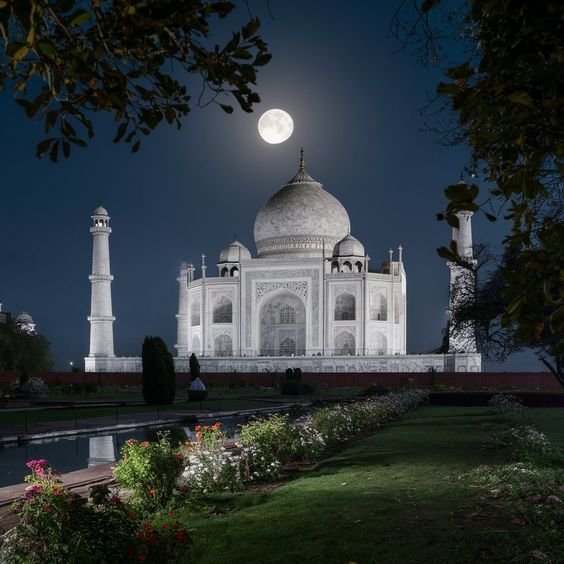
- Taj Mahal at dawn. Gates open at 6:00 AM. Arrive early. Watch the marble shift from grey to pink to blazing white as the sun rises. No photograph prepares you for the scale, the symmetry, or the emotion.
Pro tip: Walk to the far end of the reflecting pool and sit on the Diana bench. Wait for the crowds to thin. The silence is remarkable.
Late Morning:
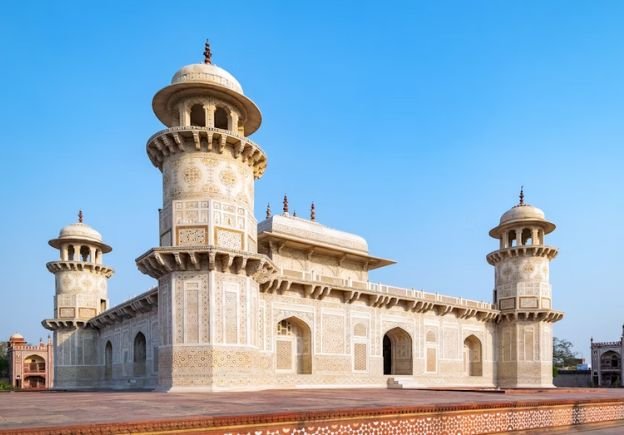
- Itimad-ud-Daulah (“Baby Taj”) — More intimate than the Taj Mahal, this tomb features India’s first use of pietra dura and is often uncrowded.
Afternoon:
- Drive to Fatehpur Sikri (37 km, ~45 minutes). Emperor Akbar built this entire city in 1571, then abandoned it after just 14 years—possibly due to water scarcity. The Panch Mahal, Buland Darwaza (the tallest gateway in the world), and Jodha Bai’s Palace are hauntingly beautiful.
- Return to Agra. Evening at leisure.
Dining: Try petha (Agra’s famous candied gourd sweet) from Panchhi Petha, and dine on Mughlai cuisine at Esphahan at the Oberoi Amarvilas.
Day 5: Agra → Jaipur — Crossing into Rajasthan
Theme: Transition from Mughal to Rajput India.
- Depart Agra after breakfast. The drive to Jaipur takes approximately 4.5 hours via NH-21.
- En route stop: Abhaneri Step Well (Chand Baori) — If you didn’t visit on Day 3, this is your chance. This 9th-century geometric marvel, 13 stories deep with 3,500 symmetrical steps, is one of India’s most photogenic structures. It starred in The Dark Knight Rises and The Fall.
- Arrive in Jaipur. Check in to SUJÁN Rajmahal Palace or Rambagh Palace (a former royal residence converted into a Taj Hotels property).
- Evening: Stroll through Johari Bazaar — Jaipur’s gem market. The city is the world’s largest cutting centre for emeralds.
Day 6: Jaipur — The Pink City Unveiled
Theme: Forts, palaces, artisans, and an elephant-free ethical experience.
Morning:
- Amber Fort — Ascend the ramparts by 4×4 (skip the elephant rides—they’re ethically problematic). The Sheesh Mahal (Mirror Palace) inside is dazzling. Hire a specialist heritage guide to decode the Rajput–Mughal fusion architecture.
- Jal Mahal — The “Water Palace” floating on Man Sagar Lake. You can’t enter, but the view from the lakeside promenade is iconic, especially with the Aravalli Hills in the background.
Midday:
- Hawa Mahal — The “Palace of Winds” with its 953 honeycomb windows. Visit the museum inside for context, then photograph the façade from the café across the street (ML Restaurant’s rooftop terrace).
- City Palace — Still partially inhabited by the Jaipur royal family. The textile gallery and armoury are outstanding.
Afternoon:
- Jantar Mantar — Maharaja Jai Singh II’s 18th-century astronomical observatory. The world’s largest stone sundial is here, accurate to within two seconds.
- Block-printing workshop in Sanganer (20 minutes from the city centre). Watch master artisans hand-stamp fabric using techniques unchanged for 300 years. This is a participatory experience—you’ll print your own textile to take home.
Evening: Chokhi Dhani — An immersive Rajasthani village resort where folk dancers, puppet shows, and an elaborate vegetarian thali dinner celebrate rural culture. Ideal for families.
Alternative luxury evening: Private dinner on the ramparts of Nahargarh Fort, overlooking the illuminated city. We arrange this exclusively for our guests.
Day 7: Jaipur → Delhi — A Gentle Farewell
Theme: Last discoveries and departure.
- Morning at leisure. Enjoy a spa treatment at the hotel or revisit a favourite bazaar.
- Optional morning visit: Galtaji Temple (the “Monkey Temple”) — A lesser-visited complex of natural springs and ornate temples nestled in a narrow crevice of the Aravalli Hills. Atmospheric and photogenic.
- Depart for Delhi (approx. 5 hours by road or 3 hours by Vande Bharat Express from Jaipur Junction).
- Arrive in Delhi. Transfer to the airport or your hotel.
If your flight is late evening: Visit Lodhi Garden — a tranquil urban park dotted with 15th-century tombs, perfect for a reflective final walk through history.
Hidden Gems Most Golden Triangle Tour Itineraries Ignore
These stops separate a generic tour from an extraordinary one:
- Nizamuddin at Night (Delhi) — Attend a live qawwali session on Thursday evenings. Raw, soulful, and unforgettable.
- Keoladeo Ghana National Park (Bharatpur) — Just 55 km from Agra. A UNESCO-listed wetland sanctuary and paradise for bird-watchers. Combines beautifully with a golden triangle tour with wildlife.
- Bhangarh Fort (between Agra & Jaipur) — India’s “most haunted” ruin, surrounded by pristine Aravalli forest. The archaeology is genuinely fascinating—forget the ghost stories.
- Panna Meena Ka Kund (Jaipur) — A symmetrical stepwell near Amber Fort, far less crowded than Chand Baori and equally photogenic.
- Elgin Marble Inlay Workshops (Agra) — Fifth-generation artisans still practice the parchin kari technique used on the Taj Mahal. Watch them cut and set semi-precious stones by hand.
Extend Your Journey: Golden Triangle with Wildlife or Varanasi
A seven-day Golden Triangle Tour is transformative on its own. But if you have 9–12 days, two extensions elevate the experience dramatically:
Golden Triangle Tour with Wildlife
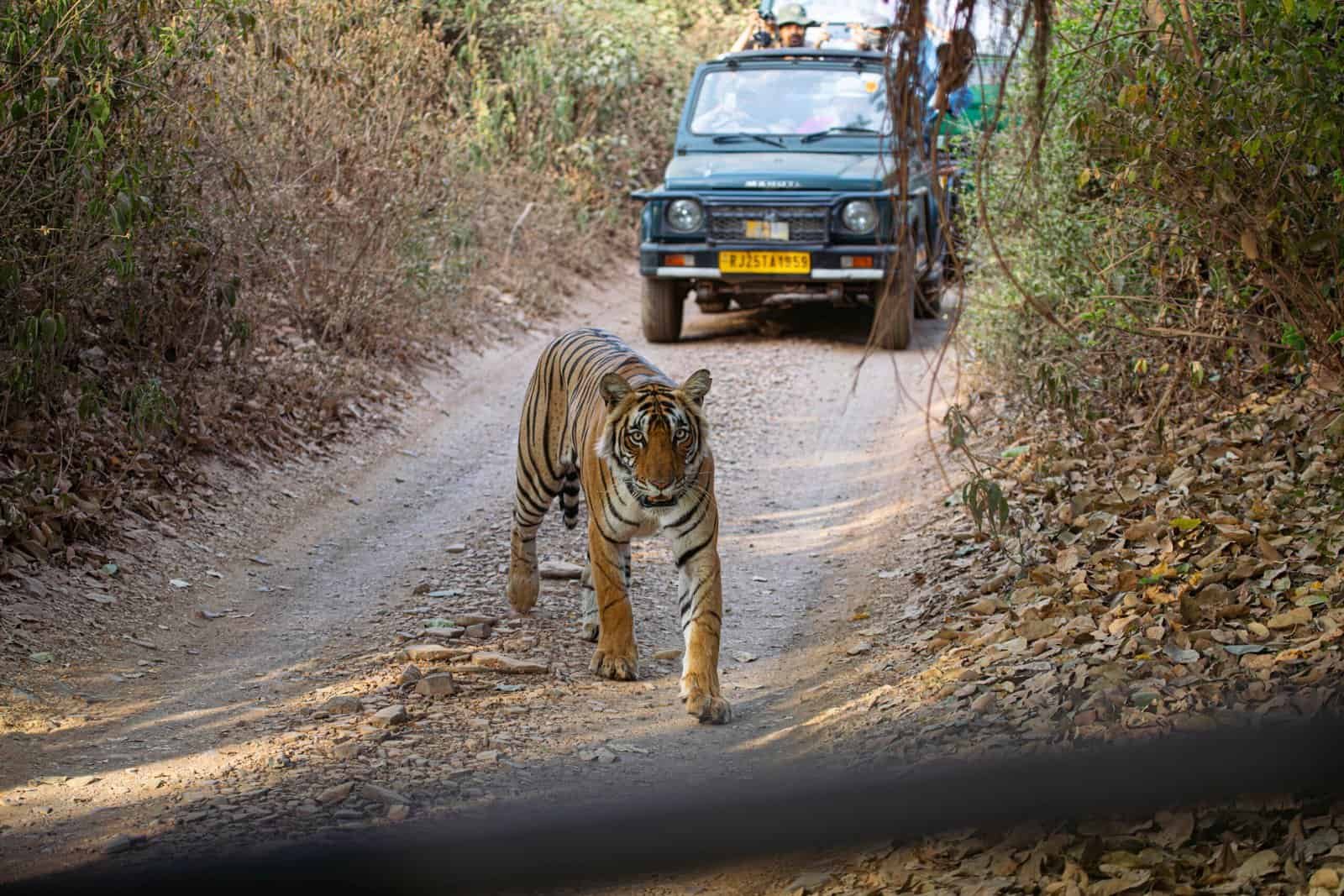
Add Ranthambore National Park (3 hours from Jaipur). This former royal hunting ground is one of India’s best places to spot Bengal tigers in the wild. Two nights at Aman-i-Khás or SUJÁN Sher Bagh offer ultra-luxury tented safari experiences.
Best for: Wildlife enthusiasts, photographers, families with older children.
Golden Triangle with Varanasi
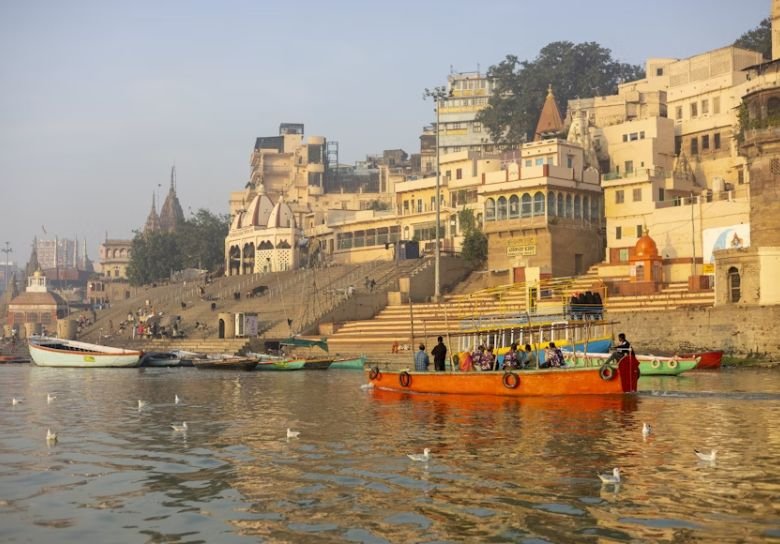
Fly from Jaipur or Delhi to Varanasi — the world’s oldest continuously inhabited city. Witness the hypnotic Ganga Aarti ceremony at Dashashwamedh Ghat, take a dawn boat ride past the cremation ghats, and explore silk-weaving workshops. Two nights is ideal.
Best for: Culturally curious travellers seeking spiritual depth.
Both extensions are seamlessly integrated into our customised packages.
Cost & Budget Breakdown (Per Person, 7 Days)
| Category | Budget | Mid-Range | Luxury |
|---|
| Accommodation | $25–50/night | $80–180/night | $300–800/night |
| Transport (private car + driver) | $25–35/day | $40–60/day | $80–120/day |
| Meals | $10–15/day | $25–50/day | $80–200/day |
| Guides & Entrance Fees | $50–70 total | $100–150 total | $200–350 total |
| Estimated Total | $600–900 | $1,500–3,000 | $5,000–12,000 |
Note: Prices vary by season. Peak season (Nov–Feb) commands premium rates. All luxury properties listed in this itinerary fall in the $400–$1,000/night range.
Tipping guide: ₹200–500 ($2.50–$6) per day for drivers; ₹500–1,000 ($6–$12) for full-day guides.
Insider Travel Tips for Your Golden Triangle India Tour
- Hire specialist guides, not generalists. A historian at Humayun’s Tomb and a gemologist in Jaipur’s jewel markets make vastly different impressions than a single “all-purpose” guide.
- Carry cash in small denominations. Many artisan workshops and street vendors don’t accept cards. ₹100 and ₹500 notes are ideal.
- Dress modestly at religious sites. Shoulders and knees covered. Carry a lightweight scarf—it doubles as sun protection.
- Download Google Maps offline. Cell data can be patchy on inter-city highways.
- Start every sightseeing day early. Most monuments open at sunrise and the first 90 minutes are crowd-free gold.
- Book Taj Mahal tickets online in advance via the ASI website to skip the ticket queue.
- Water: Drink only sealed bottled or filtered water. Upscale hotels provide complimentary bottles.
Do’s & Don’ts
Do:
- Remove shoes before entering temples, mosques, and gurudwaras.
- Bargain respectfully in bazaars—it’s expected and part of the culture.
- Try street food at established, busy stalls (high turnover = fresh food).
- Ask permission before photographing people, especially women.
- Use both hands or the right hand when giving or receiving items.
Don’t:
- Touch monuments or lean on ancient walls.
- Wear revealing clothing at heritage or religious sites.
- Accept unsolicited “guide” services outside monuments (common scam).
- Drink tap water or eat unpeeled raw fruits from street stalls.
- Photograph military installations, airports, or bridges.
Safety Tips for International Visitors
The Golden Triangle is India’s most-visited tourist corridor, and it’s overwhelmingly safe for international travellers. Still, common-sense precautions apply:
- Use pre-arranged transport. Our chauffeur-driven service eliminates the need for ride-hailing apps or auto-rickshaw negotiations.
- Keep photocopies of your passport in a separate bag and a digital copy in cloud storage.
- Travel insurance is non-negotiable. Choose a policy covering medical evacuation—India’s private hospitals are excellent but costly for uninsured foreigners.
- Stay hydrated. The dry North Indian climate dehydrates faster than most travellers expect.
- Solo female travellers: The Golden Triangle is well-trodden and generally safe. Stick to reputable transport, avoid poorly lit areas after dark, and trust your instincts.
Frequently Asked Questions
Q1: How many days do you need for the Golden Triangle Tour?
A: While it’s possible in 4–5 days, we recommend 7 days for a comfortable, in-depth experience. This allows time for hidden gems, culinary exploration, and rest—especially important for travellers arriving from distant time zones.
Q2: Is the Golden Triangle Tour suitable for families with young children?
A: Absolutely. The Delhi Agra Jaipur tour is one of the most family-friendly itineraries in India. Children are warmly welcomed everywhere, and attractions like Amber Fort, elephant sanctuaries, and block-printing workshops are engaging for all ages. We customise pace and activities for families.
Q3: Can I combine the Golden Triangle Tour with a wildlife safari?
A: Yes. A golden triangle tour with wildlife typically adds Ranthambore National Park (for tigers) or Keoladeo Ghana National Park (for birds). We recommend adding 2–3 extra days for this extension.
Q4: What is the best way to travel between Delhi, Agra, and Jaipur?
A: A private chauffeur-driven car offers the most flexibility and comfort. The Gatimaan Express (Delhi–Agra) and Vande Bharat Express (Delhi–Jaipur) are excellent rail options for those who enjoy train travel.
Q5: Is it safe for solo female travellers?
A: The Golden Triangle is well-policed and heavily touristed. With a reputable travel operator and pre-arranged private transport, solo female travellers can explore confidently. We provide female guides on request.
Q6: What should I pack for a Golden Triangle India Tour?
A: Comfortable walking shoes, lightweight layers (temperatures can swing 15°C between morning and afternoon), a scarf for temple visits, sunscreen, a refillable water bottle, and a power bank. November–February evenings require a warm jacket.
Q7: Can I extend my trip to include Varanasi?
A: Yes. A golden triangle with Varanasi extension adds 2–3 days and is one of our most requested combinations. A short flight from Jaipur or Delhi connects you to Varanasi seamlessly.
Conclusion: Your Golden Triangle Tour Starts Here
Seven days. Three legendary cities. One journey that recalibrates how you see the world.
The Golden Triangle Tour isn’t just a holiday—it’s a masterclass in civilisation, served with extraordinary hospitality and flavours that linger long after you return home. From the symmetry of the Taj Mahal at dawn to the riotous colour of Jaipur’s bazaars at dusk, every moment on this route earns its place in your memory.
But the difference between a good trip and an extraordinary one lies in the details: the right guide at the right monument, the hidden stepwell no one else visits, the dinner on a fort rampart under a Rajasthani sky.
That’s what we do.
Ready to experience India’s Golden Triangle your way? Contact our travel specialists today for a personalised, obligation-free itinerary tailored to your dates, preferences, and travel style. Whether you envision a luxury escape, a family adventure, or a cultural deep-dive, your perfect India journey is one conversation away.
Plan My Golden Triangle Tour →

 Ideal. Clear skies, pleasant days.
 Intense heat. Budget-friendly rates.
 Don’t: