Table of Contents
- What Exactly Is the Golden Triangle Tour?
- Why the Golden Triangle Still Captivates in 2026
- Best Time to Visit (Month-by-Month Breakdown)
- How to Reach Delhi, Agra & Jaipur
- The Ultimate Golden Triangle Itinerary
- Top Attractions You Cannot Miss
- Hidden Gems Most Tourists Overlook
- Golden Triangle Tour by Car: Why It’s the Smartest Choice
- Extending Your Trip: Golden Triangle with Wildlife
- Golden Triangle with Varanasi: Adding a Spiritual Dimension
- Cost & Budget Breakdown (2026 Prices)
- Insider Travel Tips
- Do’s & Don’ts
- Safety Advice for International Visitors
- FAQs
- Book Your Golden Triangle India Tour
What Exactly Is the Golden Triangle Tour?
The Golden Triangle Tour connects three cities — Delhi, Agra, and Jaipur — that form an almost perfect triangle on the map of northern India, each side roughly 230–270 km. Together, they showcase three distinct faces of India:
- Delhi — the pulsating capital where Mughal-era monuments collide with 21st-century innovation.
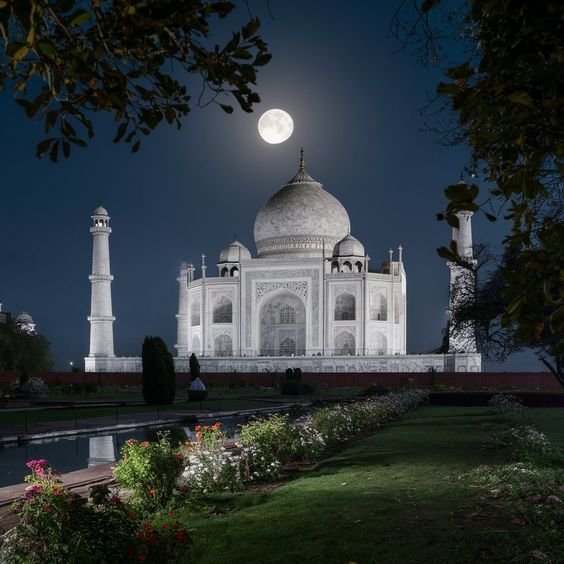
- Agra — home to the Taj Mahal, one of the original Seven Wonders of the modern world.
- Jaipur — the “Pink City,” a royal Rajasthani jewel bursting with forts, bazaars, and palatial hotels.
The route is India’s most travelled tourist circuit for a reason: it packs an extraordinary density of UNESCO World Heritage Sites, culinary traditions, and living culture into as few as four days — or as many as ten, depending on how deeply you wish to immerse.
Featured Snippet: The Golden Triangle India Tour is a popular travel route connecting Delhi, Agra, and Jaipur — three iconic North Indian cities separated by roughly 250 km each. It covers UNESCO World Heritage Sites including the Taj Mahal, Red Fort, and Amber Fort, and can be completed in 4 to 10 days depending on pace and extensions.
Why the Golden Triangle Still Captivates in 2026
You might wonder: with so many travellers having “done” this route, is it still worth it? Absolutely — here’s why 2026 is arguably the best year yet:
New Infrastructure Advantages
- The Delhi–Mumbai Expressway and improved Agra–Jaipur highway have cut drive times by up to 40 minutes compared to 2022.
- Noida International Airport (Jewar), opening in phases near Delhi/Agra, adds another convenient gateway.
- India’s e-Visa system now processes approvals in under 24 hours for 170+ nationalities.
Cultural Renaissance
- Jaipur’s recently restored Nahargarh Art & Cultural Centre brings world-class contemporary exhibitions to a 280-year-old fort.
- Agra’s Mughal Heritage Walk — a guided evening trail through lanes behind the Taj — launched in late 2025 to rave reviews.
Value That Defies Expectations
Few destinations on Earth deliver this calibre of history, cuisine, and hospitality at India’s price point. A luxury Golden Triangle India Tour with five-star palaces, private guides, and chauffeured sedans can cost less than a standard holiday in Western Europe.
Best Time to Visit (Month-by-Month Breakdown)
| Period | Weather | Crowd Level | Verdict |
|---|
| Oct – Mar | Cool, pleasant (8°C–25°C) | High (peak season) | Best overall — ideal for sightseeing |
| Feb – Mar | Warm days, cool nights | Moderate | Great for photography; Holi festival in March |
| Apr – Jun | Hot (35°C–45°C) | Low | Budget-friendly; early mornings are manageable |
| Jul – Sep | Monsoon, humid | Low | Dramatic skies; lush greenery; occasional rain delays |
Pro Tip: If you want luxury at lower rates and comfortable weather, target late September or early October — the monsoon recedes, prices haven’t spiked, and the landscape is emerald green after the rains.
How to Reach Delhi, Agra & Jaipur
International Arrival
Most visitors fly into Indira Gandhi International Airport (DEL), which handles direct flights from London, New York, Dubai, Singapore, Sydney, Toronto, and dozens more cities. From Delhi, the triangle unfolds seamlessly.
Domestic Connections
- Agra: No major commercial airport currently (Jewar airport will serve this corridor). Best reached by road or the Gatimaan Express (Delhi–Agra in 100 minutes).
- Jaipur: Jaipur International Airport (JAI) has direct flights from Delhi (1 hr), Mumbai, and select Gulf destinations.
By Road
The most popular — and arguably most rewarding — method is a Golden Triangle Tour by car. India’s expressway network now links all three cities with modern, multi-lane highways:
- Delhi → Agra: Yamuna Expressway (~3 hrs)
- Agra → Jaipur: NH-21 (~4 hrs, with Fatehpur Sikri en route)
- Jaipur → Delhi: NH-48 (~4.5 hrs, or via Shekhawati for a scenic detour)
By Train
India’s rail network offers everything from air-conditioned executive class on the Shatabdi to the ultra-luxurious Palace on Wheels — a heritage rail journey that covers the triangle and beyond.
The Ultimate Golden Triangle Itinerary
Below is a 6-day itinerary that balances depth with comfort. It can be compressed to 4 days for fast-paced travellers or expanded to 8–10 days with wildlife or Varanasi extensions.
Day 1: Arrive in Delhi — Old World Meets New
- Arrive and check into your hotel (we recommend the Imperial for heritage luxury or Haveli Dharampura for a boutique Old Delhi experience).
- Afternoon: Guided walk through Chandni Chowk — spice markets, Jama Masjid, rooftop chai.
- Evening: Dinner at a contemporary Indian restaurant in Lodhi Colony’s art district.
Day 2: Delhi — Monuments & Contrasts
- Morning: Humayun’s Tomb (UNESCO) at opening time — fewer crowds, golden light.
- Mid-morning: Qutub Minar complex (UNESCO).
- Afternoon: Rashtrapati Bhavan (Presidential Palace) tour, India Gate, Gurudwara Bangla Sahib.
- Evening: Sound-and-light show at Red Fort (UNESCO).
Day 3: Delhi → Agra — The Taj Awaits
- Depart early via Yamuna Expressway.
- Check into The Oberoi Amarvilas (every room faces the Taj) or Coral Tree Homestay for a charming budget option.
- Afternoon: Agra Fort (UNESCO) — Mughal grandeur without Taj-level crowds.
- Sunset: Mehtab Bagh (Moonlight Garden) for the most photogenic Taj Mahal views across the river.
Day 4: Agra → Fatehpur Sikri → Jaipur — Ghost City & Pink City
- Sunrise Taj Mahal visit — arrive before 6:30 AM. The light is other-worldly and the crowds are minimal.
- After breakfast, drive toward Jaipur, stopping at Fatehpur Sikri (UNESCO) — Emperor Akbar’s abandoned capital.
- Optional stop: Abhaneri Stepwell (Chand Baori) — one of the deepest stepwells in India, stunningly geometric.
- Arrive Jaipur by evening; check into Rambagh Palace (former royal residence) or Pearl Palace Heritage for budget travellers.
Day 5: Jaipur — Forts, Palaces & Bazaars
- Morning: Amber Fort — ride up in a jeep; explore the Mirror Palace and hidden tunnels.
- Late morning: Photo stop at Jal Mahal (Water Palace).
- Afternoon: City Palace, Jantar Mantar (UNESCO astronomical observatory), Hawa Mahal.
- Evening: Shopping in Johari Bazaar for gemstones, block-print textiles, and blue pottery. Negotiate firmly but politely — that’s part of the charm.
- Night: Rooftop dinner overlooking the illuminated Nahargarh Fort.
Day 6: Jaipur → Delhi (or Extend)
- Morning: Nahargarh Fort for panoramic sunrise views (go before tour buses arrive at 10 AM).
- Drive back to Delhi for departure — or continue to Ranthambore, Varanasi, or Udaipur.
Top Attractions You Cannot Miss
Delhi
- Humayun’s Tomb — precursor to the Taj Mahal; its gardens are serene even at midday.
- Red Fort — the Mughal seat of power for 200 years.
- Lodhi Gardens — free, peaceful, and dotted with 15th-century tombs.
Agra
- Taj Mahal — no description does it justice. Go at sunrise, period.
- Agra Fort — Emperor Shah Jahan was imprisoned here, gazing at his creation across the river.
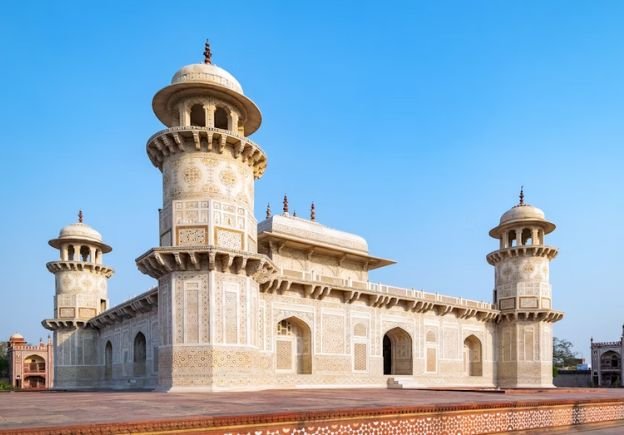
- Itmad-ud-Daulah — often called the “Baby Taj,” exquisite marble inlay work without the queues.
Jaipur
- Amber Fort — massive, labyrinthine, and breathtaking.
- City Palace — still partly occupied by Jaipur’s royal family.
- Jantar Mantar — the world’s largest stone sundial; it’s accurate to two seconds.
Hidden Gems Most Tourists Overlook
This is where a Golden Triangle India Tour transforms from great to unforgettable:
- Nizamuddin Dargah, Delhi — A living Sufi shrine where qawwali musicians perform every Thursday evening. Profoundly moving, entirely free.
- Kachhpura Village, Agra — A centuries-old settlement behind the Taj Mahal with riverside trails, crumbling Mughal ruins, and zero tourists.
- Anokhi Museum of Hand Printing, Amber (Jaipur) — A beautifully restored haveli showcasing Rajasthani block-printing traditions. Perfect for families.
- Chambal River Safari (near Agra) — A 2-hour boat ride through ravines to spot gharials, river dolphins, and migratory birds. Completely off the tourist radar.
- Panna Meena Ka Kund, Jaipur — A stunning, lesser-known stepwell near Amber Fort with a symmetrical zigzag staircase that photographs like an Escher drawing.
Golden Triangle Tour by Car: Why It’s the Smartest Choice
A Golden Triangle Tour by car offers unmatched flexibility:
- Stop anywhere — roadside dhabas (local eateries) serve the best parathas and chai you’ll ever taste.
- Control your schedule — no rigid train timings; leave at sunrise, linger at a monument, detour to a stepwell.
- Door-to-door comfort — modern SUVs (Toyota Innova Crysta, Fortuner) with professional English-speaking drivers are available from ₹3,500–₹6,000/day (approx. $40–$70 USD).
- Safe and monitored — reputable agencies equip cars with GPS tracking and 24/7 support.
Insider Tip: Always book your driver through a licensed, reviewed agency rather than hailing one at the airport. Ask for a driver with at least five years of highway experience and verified reviews.
Extending Your Trip: Golden Triangle Tour with Wildlife
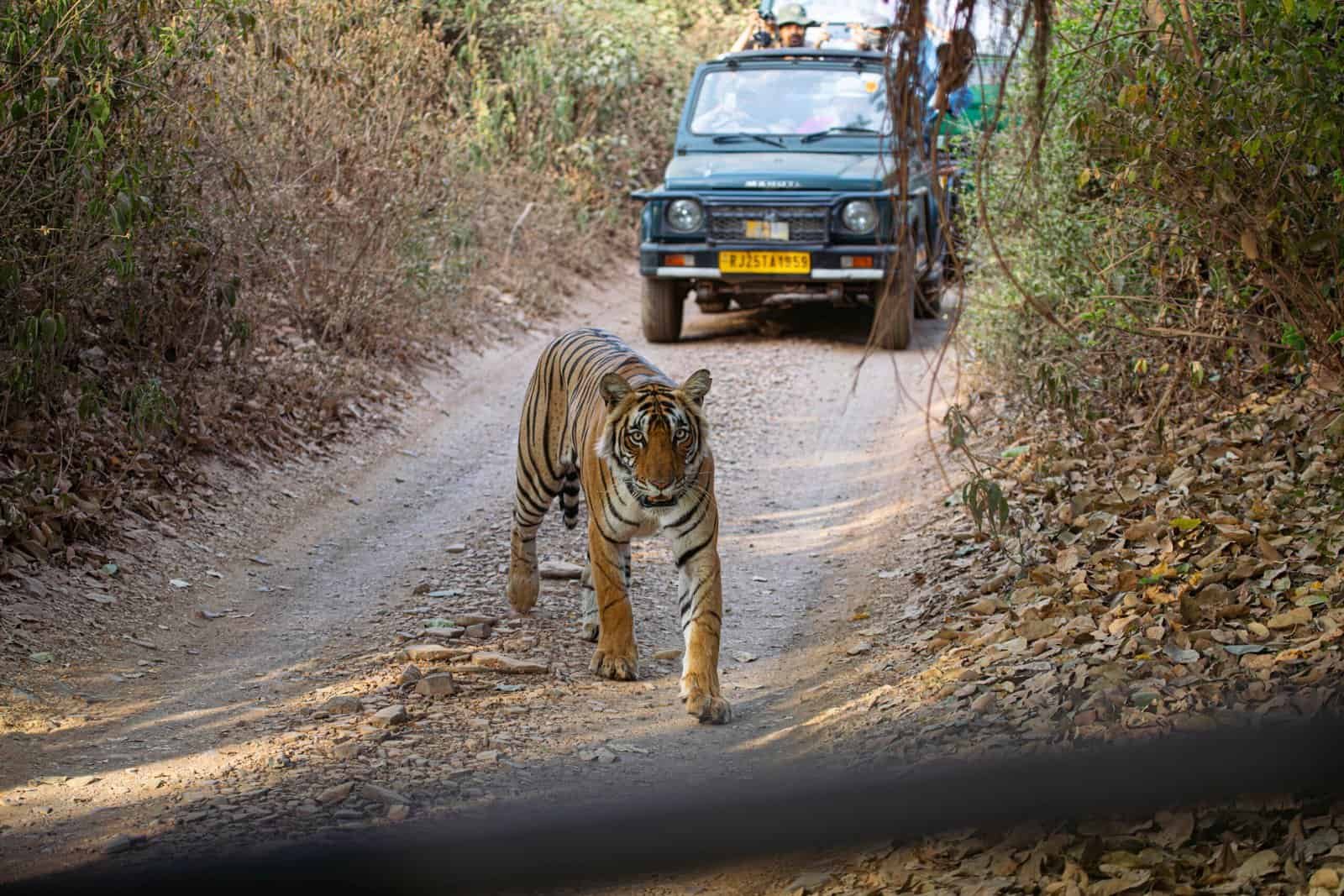
If India’s wildlife calls to you, add Ranthambore National Park — just 3.5 hours from Jaipur. This turns your itinerary into a Golden Triangle Tour with wildlife and is one of the most popular extensions:
- Why Ranthambore? It offers the highest probability of spotting a Bengal tiger in the wild. The park’s ruined 10th-century fort creates a surreal backdrop — tigers lounging among ancient columns.
- Best Time: October to April (the park closes during monsoon).
- Duration: Add 2 nights. Morning and afternoon safari jeeps are booked in advance.
- Where to Stay: Aman-i-Khas for ultra-luxury tented camps; Ranthambore Regency for solid mid-range comfort.
Other wildlife extension options include Bharatpur Bird Sanctuary (Keoladeo) — a UNESCO site just 55 km from Agra, perfect for birdwatchers — or Sariska Tiger Reserve, en route from Jaipur to Delhi.
Golden Triangle with Varanasi: Adding a Spiritual Dimension
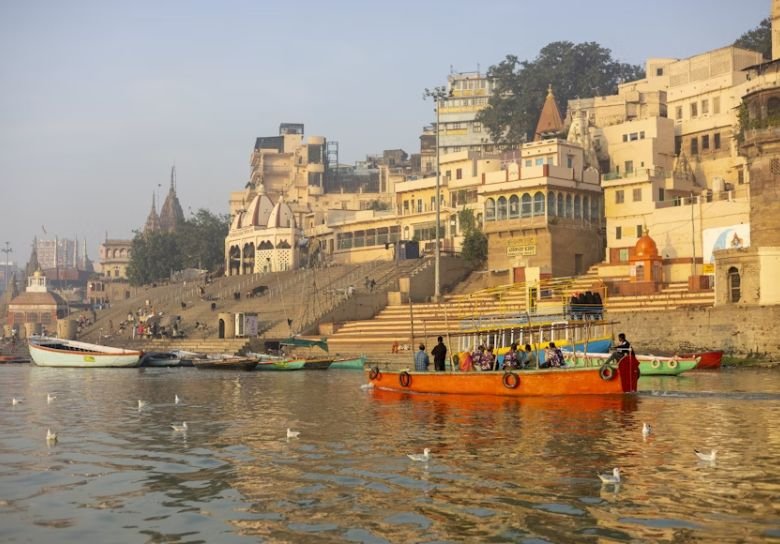
For many international visitors, a Golden Triangle with Varanasi extension is the emotional pinnacle of the entire India experience.
- Getting There: A 75-minute flight from Delhi or Jaipur, or an overnight train from Agra.
- What Awaits: The Ganges at dawn — cremation ghats, flower offerings, thousands of oil lamps floating on water during the Ganga Aarti ceremony. It’s visceral, spiritual, and utterly unique on this planet.
- Duration: 2 nights is ideal.
- Pair With: A day trip to Sarnath, where Buddha delivered his first sermon — a pilgrimage site of global significance.
Adding Varanasi transforms a historical tour into a deeply human journey. We cannot recommend it highly enough.
Cost & Budget Breakdown (2026 Prices)
| Category | Budget | Mid-Range | Luxury |
|---|
| Accommodation (per night) | $20–$50 | $80–$180 | $250–$800+ |
| Private Car + Driver (per day) | $35–$45 | $50–$70 | $80–$120 (luxury sedan) |
| Meals (per day) | $8–$15 | $20–$40 | $60–$150 |
| Guide (per day) | $15–$25 | $30–$50 | $80–$120 (specialist) |
| Monument Entries (total) | $30–$50 | $30–$50 | $30–$50 |
| 6-Day Total (per person) | $500–$900 | $1,200–$2,200 | $3,500–$8,000+ |
Prices are approximate and vary by season. Taj Mahal entry for foreign nationals is ₹1,100 (~$13 USD) as of 2025.
Money-Saving Tip: Book a curated package with a reputable agency rather than piecing together individual bookings. Agencies negotiate bulk hotel rates, include seamless transfers, and provide emergency support — often at a lower total cost than DIY.
Insider Travel Tips
- Carry cash for small vendors — UPI (India’s digital payment) is ubiquitous, but international cards sometimes glitch at smaller shops.
- Dress modestly at religious sites — shoulders and knees covered. Carry a light scarf.
- Negotiate auto-rickshaw fares before boarding — or use the Uber/Ola apps for fixed pricing.
- Hydrate aggressively — even in winter, India’s dry climate dehydrates faster than you’d expect. Stick to sealed bottled water.
- Download Google Maps offline — cell data can be spotty between cities.
- Tip your guide and driver — ₹500–₹1,000/day for guides and ₹300–₹500/day for drivers is generous and appreciated.
Do’s & Don’ts
 Do’s
Do’s
- Remove shoes before entering temples, mosques, and gurudwaras.
- Try street food — but choose stalls with high turnover and freshly cooked items.
- Bargain at markets — start at 40–50% of the quoted price.
- Greet with “Namaste” and folded hands — locals genuinely appreciate it.
- Carry a reusable water bottle with a filter (reducing plastic waste matters).
Don’ts
- Don’t photograph military installations or certain government buildings.
- Don’t touch religious statues or artefacts without permission.
- Don’t accept unsolicited “guides” at monuments — they’re often unlicensed touts.
- Don’t skip travel insurance — medical evacuation costs can be catastrophic without coverage.
- Don’t over-schedule — leave breathing room. India rewards the unhurried traveller.
Safety Advice for International Visitors
The Golden Triangle is one of India’s safest and most tourist-friendly corridors. That said, common-sense precautions apply:
- Solo female travellers: Thousands travel this route safely each year. Stick to reputable transport, avoid deserted areas after dark, and trust your instincts.
- Health: Consult your doctor about Hepatitis A/B and Typhoid vaccinations. Carry a basic first-aid kit with rehydration salts and anti-diarrhoeal medication.
- Scams: The “my shop is just around the corner” tactic is legendary. Politely decline unsolicited help near major monuments.
- Emergency Numbers: Police: 100 | Tourist Helpline: 1800-111-363 (toll-free, 24/7, multilingual).
Frequently Asked Questions
Q1: How many days do you need for a Golden Triangle India Tour?
A: A comfortable Golden Triangle India Tour takes 5 to 6 days. You can do a fast-paced version in 4 days, but we recommend 6–7 days to explore without rushing — especially if it’s your first visit to India.
Q2: Is the Golden Triangle Tour safe for families with children?
A: Absolutely. The route is well-established, family-friendly hotels are abundant, and attractions like Amber Fort’s elephant-free jeep rides, Jantar Mantar’s interactive instruments, and Agra’s marble inlay workshops fascinate children of all ages.
Q3: Can I do the Golden Triangle Tour by car without a driver?
A: Self-driving is technically possible but strongly discouraged for international visitors. Indian road conditions, traffic patterns, and driving norms are challenging. A professional driver-guide costs $40–$70/day and removes all stress.
Q4: What is the best month to visit the Taj Mahal?
A: November through February offers the best weather and light for photography. For the fewest crowds, visit on a weekday in November or early December. Avoid Fridays — the Taj Mahal is closed to tourists for prayers.
Q5: How can I extend my Golden Triangle Tour to include wildlife or Varanasi?
A: Add Ranthambore National Park (2 nights, departing from Jaipur) for a Golden Triangle Tour with wildlife. For a Golden Triangle with Varanasi extension, fly from Delhi or Jaipur and add 2 nights. Most agencies offer seamless combined packages.
Q6: Do I need a visa to visit India?
A: Most nationalities require a visa. India’s e-Visa (available at indianvisaonline.gov.in) is the easiest option — apply online, receive approval via email, typically within 24–72 hours.
Q7: Is vegetarian food easily available on the Golden Triangle route?
A: India is a vegetarian paradise. Every restaurant — from street stalls to five-star hotels — offers extensive vegetarian (and often vegan) menus. You’ll never struggle to find options.
Your Golden Triangle India Tour Starts Here
The Golden Triangle India Tour isn’t just a trip — it’s a sensory awakening. The aroma of saffron and cardamom drifting from a Jaipur kitchen. The first moment the Taj Mahal emerges from morning mist. The thunderous prayer call echoing through Delhi’s Jama Masjid. These aren’t experiences you read about and forget. They reshape how you see the world.
We specialise in crafting bespoke Golden Triangle itineraries — from ultra-luxury palace stays to thoughtfully designed budget journeys — tailored to your pace, passions, and travel style.
Ready to plan your 2026 journey?
Request a Free Custom Itinerary — Our travel designers respond within 12 hours with a personalised plan and transparent pricing. No obligations. No cookie-cutter packages.
Your extraordinary India story begins with a single conversation.

 Do’s
Do’s Don’ts
 Request a Free Custom Itinerary — Our travel designers respond within 12 hours with a personalised plan and transparent pricing. No obligations. No cookie-cutter packages.